
Calgary and Rocky View County have taken a concrete step toward building Alberta’s first rail-driven inland port by signing a new Memorandum of Understanding with the Canada Infrastructure Bank (CIB) that officials say will accelerate the multibillion-dollar Prairie Economic Gateway.
From engineering to construction
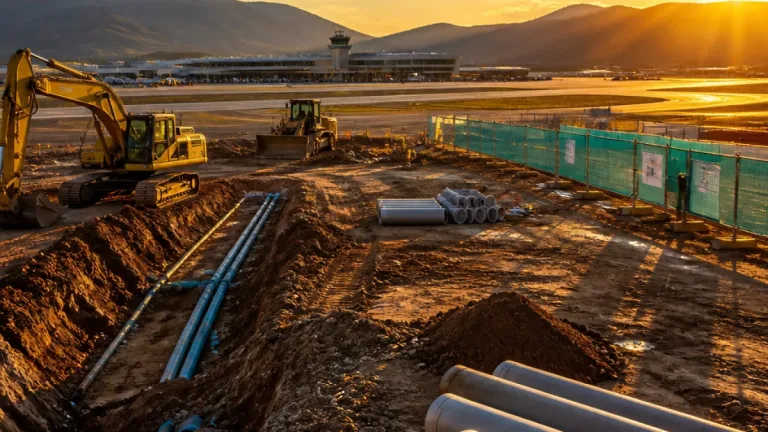
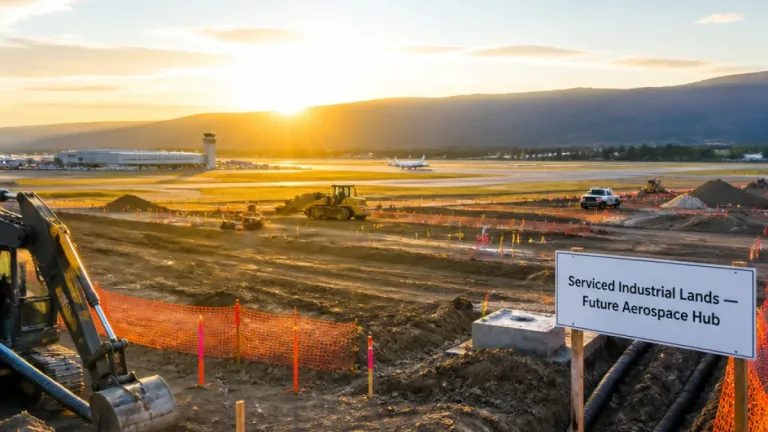
The new agreement, described by the parties as a project-acceleration MOU, is intended to move work from high-level planning into a more detailed due-diligence phase focused on the public off-site infrastructure required to support the trade and logistics hub. The site is farmland immediately north of 114th Avenue S.E., adjacent to the Canadian Pacific Kansas City rail corridor on Calgary’s southeast border with Rocky View County.
City officials stressed the MOU is not legally binding but establishes a framework for the three parties — the City of Calgary, Rocky View County and the CIB — to assess commercial, technical and financial viability before construction decisions are made. The agreement builds on an earlier memorandum signed in early 2025 that explored the bank’s potential participation.
"This agreement with the Canada Infrastructure Bank is an important step toward finalizing the infrastructure investments needed to unlock new trade, logistics and industrial development, create jobs and strengthen Calgary's competitiveness," said Mayor Jeromy Farkas in a statement.
Scale, timing and local impacts
Pre-construction work has been under way since early last year, after Calgary and Rocky View County councils approved plans for the inland port on the city’s eastern fringe. City documents say the port is expected to be operational sometime next decade and to stimulate significant regional economic activity.
According to the city, the development aims to deliver $7 billion in economic growth and create up to 30,000 jobs over the next 10 to 12 years. Those figures position the project among the largest infrastructure-driven economic development initiatives for Calgary in recent memory and underline why the municipal government is seeking federal investment partners to share risk and capital costs.
- Location: farmland north of 114th Ave. S.E., near CPKC tracks
- Phase: detailed due diligence and infrastructure planning
- Economic target: $7 billion in growth; up to 30,000 jobs over 10–12 years
- Operational target: sometime next decade
What the MOU enables
City officials say the agreement will help to clarify financing and delivery models for public infrastructure needed off-site — such as roads, utilities and rail connections — before any final construction decisions. That work will be vital to private-sector investment decisions for on-site terminals, warehouses and logistics facilities.
For Calgary, the inland port represents more than new industrial land. Municipal leaders frame the project as a way to diversify the regional economy, improve supply-chain resilience for Alberta exporters, and capture value from growing rail and freight flows through southern Alberta.
| Metric | Estimate |
|---|---|
| Economic growth | $7 billion |
| Jobs (10–12 years) | Up to 30,000 |
| Planned operation | sometime next decade |
Officials caution, however, that this MOU is a step in a longer process. The CIB’s involvement will hinge on the results of commercial, technical and financial assessments, and detailed infrastructure delivery plans must still be developed and approved by the relevant authorities.
For Calgary residents, the project raises practical questions about land use on the city’s eastern edge, traffic and heavy-vehicle routing, environmental approvals and the pace of development. Those matters will be part of the next planning phases as the partners move from conceptual work to concrete procurement and design.
As the city and county advance due diligence, municipal leaders will be watching closely for how financing is structured and what role federal financing institutions play. For a prairie economy that relies on moving goods efficiently to market, the inland-port proposal could reshape regional logistics — but only if planned infrastructure, financing and timelines align in the months and years ahead.