Communities along the British Columbia coast have begun cleaning up after several days of heavy rain, powerful winds, high tides and storm surge, with most weather warnings now lifted but lingering water-related hazards still requiring attention.
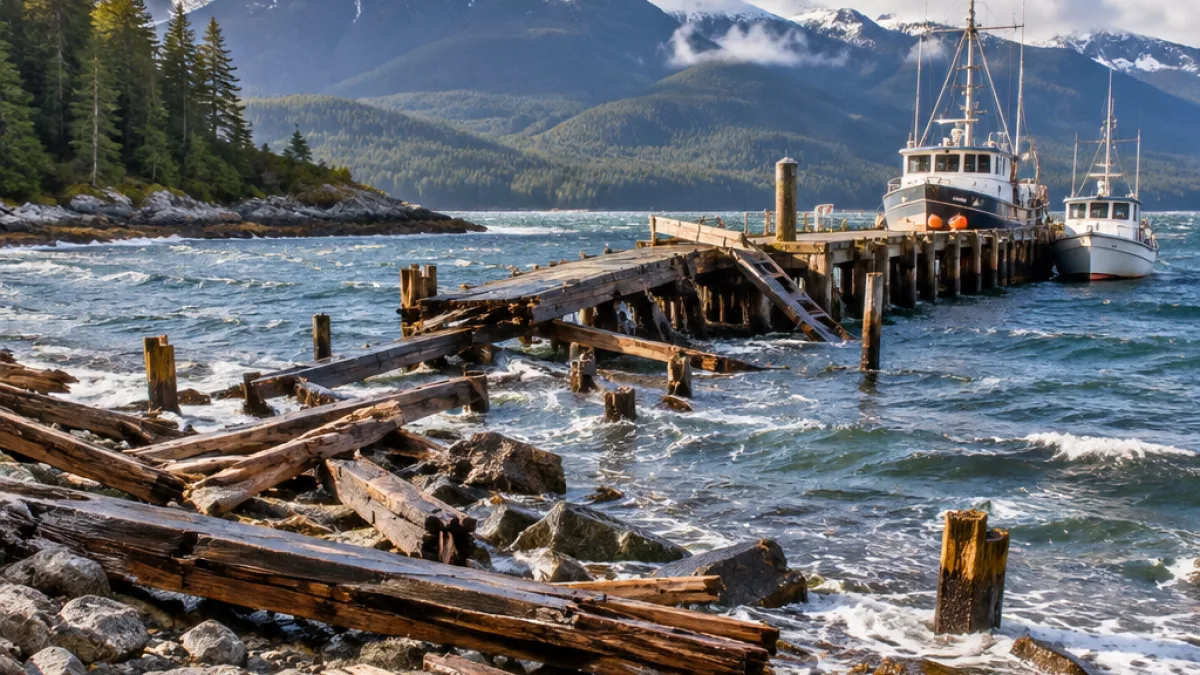
In Kyuquot, a remote settlement on northwestern Vancouver Island that has no roads and can be reached only by boat or aircraft, Nicalena Chidley’s dock was destroyed during the latest round of storms. Her family has been unable to leave since Tuesday after waves and wind tore away the walkway and part of the structure at their oceanfront property.
Video recorded by Chidley shows her son, wearing an orange waterproof suit, examining the damaged shoreline. Two boats remained attached to the surviving end of the dock, while pieces of wood and other construction material were scattered along the waterfront. Chidley said the storm removed the platform and an initial ramp leading to the larger ramp and dock, leaving the family stranded.
“It was just incredibly rough in there.”
The damage in Kyuquot reflects the combined effect of several weather and coastal factors. Persistent rain saturated the ground and raised water levels, while strong winds and king tides helped push storm surge into vulnerable areas. The high tides also limited the ability of surge water to drain away, increasing pressure on shoreline structures and low-lying properties.
Warnings ease, but water remains a concern
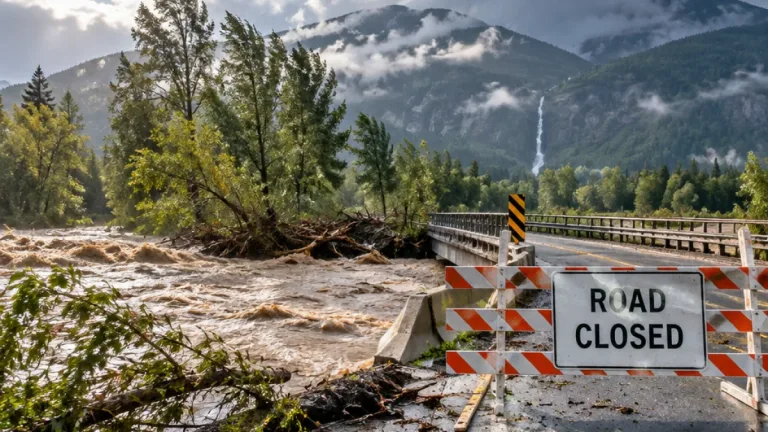
Environment Canada ended its rain and wind warnings late Thursday. The B.C. River Forecast Centre removed its alerts Friday across the province except for central Vancouver Island, where a high-streamflow advisory remains in effect. Coastal flood warnings and statements were also cancelled after, at their height, they covered nearly the entire B.C. coast.
| Area or agency | Current situation |
|---|---|
| Central Vancouver Island | High-streamflow advisory remains |
| Most of coastal B.C. | Coastal flood warnings and statements lifted |
| Parksville | Evacuation alerts rescinded |
| Effingham Island | 734 millimetres of rain recorded from Monday to Thursday |
The scale of the rainfall was particularly notable on Effingham Island, off western Vancouver Island. The weather agency reported 734 millimetres of rain there between Monday and Thursday. The island is about 160 kilometres south of Kyuquot, where Chidley’s family was dealing with the loss of its dock and continued isolation.
On Vancouver Island’s east coast, residents of low-lying and coastal properties in Parksville had been placed on evacuation alert earlier in the week as water levels rose. Those alerts have since been withdrawn. A city spokesman said only limited cleanup had been identified, although standing water in fields and parks will need to be watched while those areas dry.
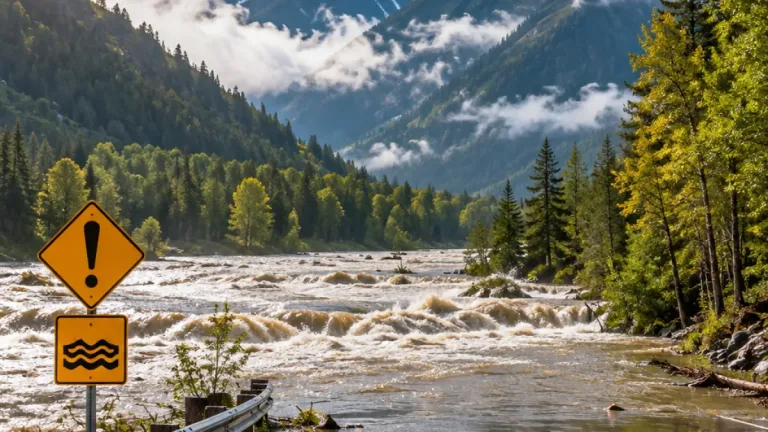
Some beaches could also require debris and log removal. The city said that work would be handled in co-operation with fisheries departments at the provincial and federal levels. For residents and visitors, the end of formal warnings does not mean every location has immediately returned to normal. Saturated ground, swollen streams, unstable debris and damaged waterfront access can continue to present risks after the strongest weather has passed.
Remote communities face a longer recovery
For people living in isolated coastal settlements, the effects of storm damage can last well beyond the end of a warning. A lost dock can cut off boat access, while repeated storms and power outages can make repairs and resupply more difficult. Chidley, who has lived in Kyuquot since 1988, said the month had brought successive storms, extended outages and periods of being marooned.
Residents in affected areas should continue to avoid fast-moving or high water, keep clear of damaged structures and check local updates before travelling near shorelines, rivers or streams. Even as conditions improve, the remaining advisory on central Vancouver Island and the volume of water left in the landscape show why caution remains important during the cleanup.