Andrew Baker, a 43-year-old Montreal native and long-serving Canadian Olympic Committee executive, will become president and chief executive officer of Alpine Canada in September, the national federation confirmed on Tuesday.
Experience and timing
Baker arrives after 21 years at the Canadian Olympic Committee, most recently serving as chief external affairs officer. He replaces Therese Brisson, who left the role after six years to become chief executive officer of Skate Canada. The move brings a veteran sport administrator to the governing body that oversees alpine and para-alpine racing and ski cross across the country.
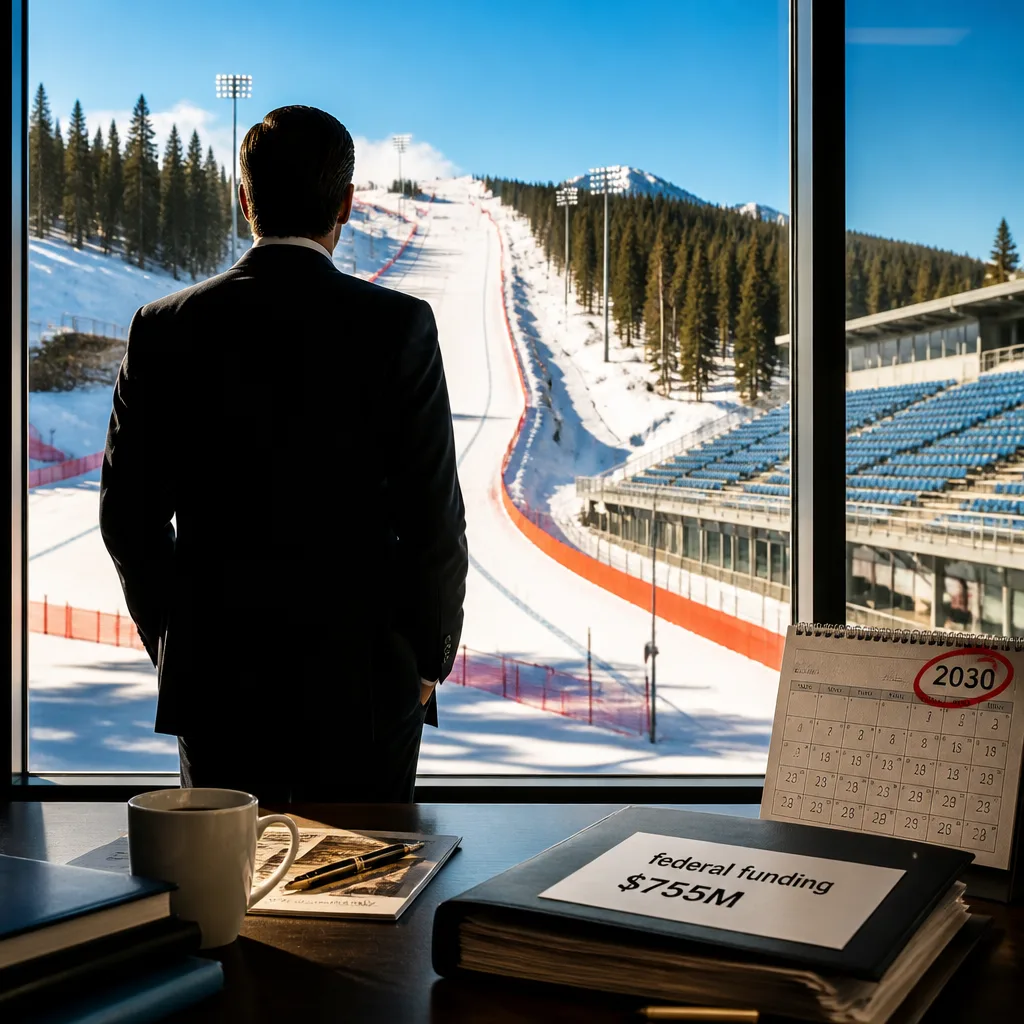
The appointment comes at a pivotal moment: Baker takes charge at the start of the four-year build-up to the 2030 Winter Games in the French Alps and as national sport organisations adjust to a significant federal funding increase aimed at high-performance sport.
Scope of Alpine Canada
Alpine Canada manages a broad competitive and club network. According to the organisation’s 2025 annual report, its footprint includes:
- 15,000 registered racers
- 5,500 coaches
- 200 clubs across Canada
The federation also stages international events on domestic snow, including World Cup races. Among the calendar highlights already slated for the coming season are two women’s giant slaloms at Mont-Tremblant, Que. in December and a World Cup ski cross at Craigleith, Ont. in March.
Funding landscape
Baker’s arrival coincides with a new federal injection of funds targeted at high-performance sport. In April, the federal government announced an additional $755 million over five years, with the boost dropping to $118 million annually thereafter. Baker was involved in the COC’s lobbying efforts on behalf of national sport organisations seeking increased core funding.
That money gives Alpine Canada a chance to convert advocacy and planning into tangible support for athletes, coaches and grassroots programming. How the federation allocates resources between high-performance priorities, domestic events and development pathways will be among the first strategic challenges for Baker and his executive team.
What’s next
Baker formally joins the organisation in September and will immediately be working on preparations for the quadrennial ahead. Alpine Canada’s responsibilities — from training pipelines and coaching development to event hosting and international competition — mean the CEO must balance competing demands while keeping long-term performance targets in sight.
| Item | Figure |
|---|---|
| Registered racers | 15,000 |
| Coaches | 5,500 |
| Clubs | 200 |
| Federal funding (first 5 years) | $755 million |
| Ongoing annual funding after 5 years | $118 million |
Baker’s background in external affairs at the COC signals an emphasis on stakeholder relations — with government, sponsors and provincial partners — at a time when national sport bodies are facing fresh scrutiny over results, governance and the efficient use of public funds. Alpine Canada’s calendar of home World Cup events also gives the new CEO immediate levers to raise the profile of the sport domestically and to generate revenue and sponsor interest.
For athletes and coaches in Canada’s alpine, para-alpine and ski cross streams, the appointment marks the start of a new managerial era. The incoming chief executive has a short runway to turn advocacy into action and to make sure the increased funding feeds athlete development and competitive success on the road to Milan–Cortina’s successor in 2030.
Operational details and Baker’s strategic priorities will be clarified once he assumes the role in September and begins laying out his plan for Alpine Canada’s next chapter.