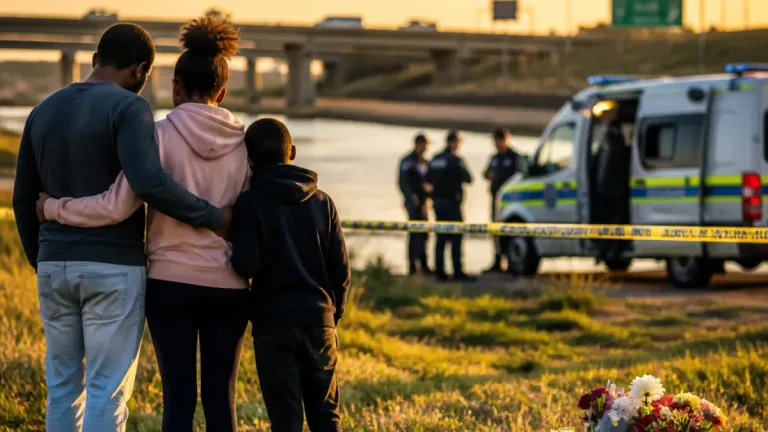
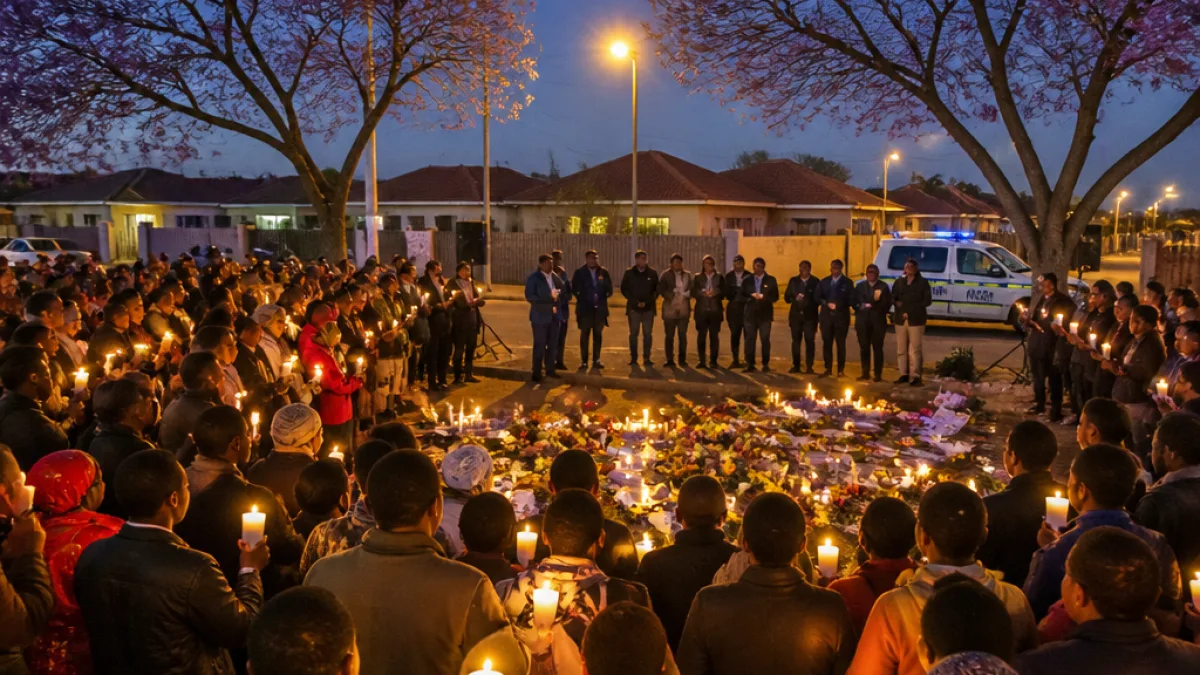
More than 100 people gathered at American Board Circle in Orlando East on 21 September for a candlelight vigil to remember women killed through gender-based violence and femicide. The event, organised by the ActionSA Women’s Forum, brought community members, children, church leaders and grassroots organisations together to demand stronger support for survivors and swifter action from law enforcement.
Calls for policing and community action
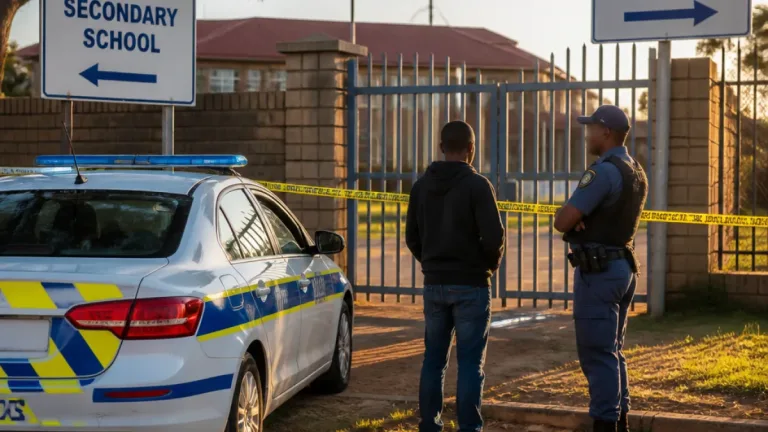
Keabetswe Shumba, secretary of the ActionSA Women’s Forum in Johannesburg, said the vigil grew out of a recognition of the “pain so many South African women carry” and signalled a shift to taking work directly into communities. She urged increased visible policing and metro police presence as part of a broader push to reduce crime and gender-based violence (GBV) across Soweto. Shumba also encouraged women to support one another and to report abuse, while calling for early education for boys on treating women with respect.
Ingrid Mpisane, secretary of a Sector 3 policing forum and a block chairperson in Orlando East, said she continued to urge people to report GBV incidents, even those who had lost faith in the justice system. Mpisane described her sector’s policing forum as having 25 members — 22 women and three men — and said they work alongside SAPS through an organisation focused on GBV. She added the forum runs community patrols, beginning at 4am, to try to keep residents safe.
Why survivors withdraw cases
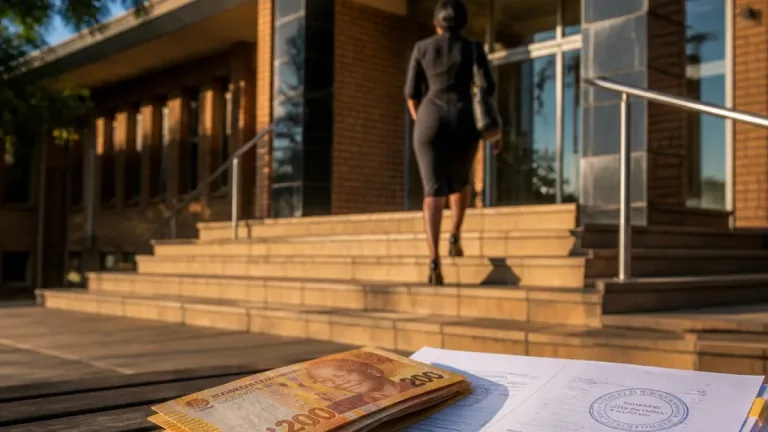
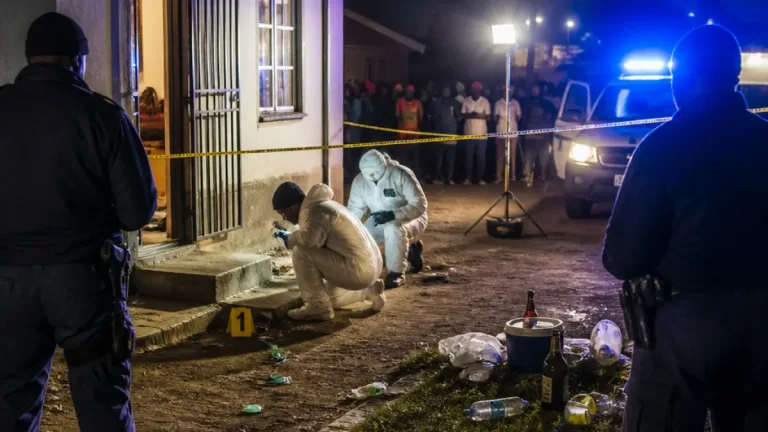
Speakers at the vigil emphasised that reporting to the police is only the start of a process that can strain survivors emotionally and financially. Omogolo Taunyane, founder of GBV Monitor South Africa, told the gathering that many survivors withdraw cases after making initial reports.
“Sometimes victims get drained because they have to go through the process of going through medical examinations, giving statements and later prepare for court,”
Taunyane identified the financial strain of repeated travel to and from court as one of the main reasons survivors stop pursuing cases. She said the system needs to change to provide better support once victims come forward, pointing to the cumulative burden of medical examinations, statement taking and court appearances that may stretch over long periods.
Community-led approaches and prevention
The ActionSA Women’s Forum said the vigil was part of a broader strategy to take their work to neighbourhoods and engage directly with residents. Organisers argued that community involvement, alongside stronger law enforcement visibility, is critical to both preventing GBV and supporting survivors through the justice process.
At the vigil, attendees included children and church leaders, highlighting the event’s attempt to link mourning with prevention and education. Speakers stressed the importance of teaching boys from a young age about respect and non-violence as part of long-term efforts to change behaviour and reduce femicide.
- Event: Candlelight vigil for women killed by GBV
- Date and place: 21 September, American Board Circle, Orlando East, Soweto
- Organisers: ActionSA Women’s Forum; GBV Monitor South Africa involved through advocacy
- Key concerns raised: survivors withdrawing cases due to long court processes and travel costs; need for more police presence; community support and prevention
| Sector 3 policing forum | Members |
|---|---|
| Composition | 25 members (22 women, 3 men) |
The vigil in Orlando East underlined an expanding reality in Soweto: communities are grieving lives lost to GBV while also grappling with a justice system that, organisers say, places heavy non-financial and financial burdens on survivors. Residents and local leaders at the event urged practical measures — more visible policing, court support for survivors and community-based prevention work — to ensure those who report abuse can see matters through to conclusion.
The concerns voiced at the candlelight gathering reflect broader national debates about how to stem femicide and improve the support network for survivors, but the message on the ground in Orlando East was local and urgent: unless the procedural and economic obstacles are addressed, many survivors will continue to give up on their pursuit of justice.