Idle transport hub raises questions over municipal handover
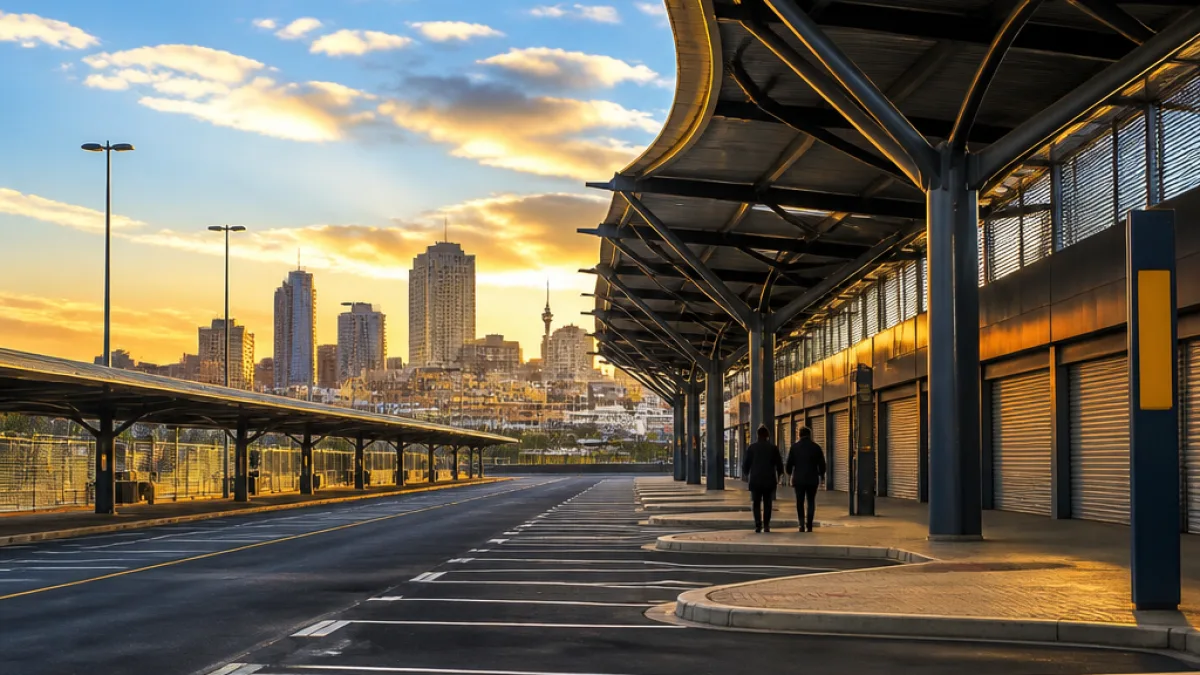
Johannesburg — A R400-million transport and retail facility in the heart of the city remains unused, ActionSA said on Wednesday, prompting the party to take the matter to the Public Protector. The party says the Johannesburg International Transport Interchange (JITI) has not been handed over to the operators and commuters it was built for, despite being completed.
According to ActionSA, the facility was designed as a combined transport and retail hub for long‑distance and cross‑border buses, taxis and commuters. The interchange reportedly provides space for close to 650 taxis and 20 buses, and was conceived to improve passenger movement and generate revenue for the city.
- Project value: R400-million
- Capacity: ~650 taxis, 20 buses
- Action taken: Complaint to the Public Protector
“It cannot be correct that a city that is struggling to generate revenue neglects facilities that could assist in improving revenue collection,” ActionSA Joburg councillor Mpumi Edward said, according to the party.
ActionSA said it had exhausted council channels and would now ask the Public Protector to investigate what it calls an “unjustified delay” by the City of Johannesburg in handing over JITI to its intended beneficiaries. The party criticised the GLU administration, led by Mayor Dada Morero, for lacking political will to operationalise the facility.
Local impact and unanswered questions
For commuters and operators, the JITI sitting unused means a missed opportunity to ease congestion, formalise minibus taxi operations and create a managed interchange that could improve safety and timetabling. ActionSA framed the matter as both a service delivery and revenue issue for a city that faces persistent fiscal constraints.
Officials with the City of Johannesburg have not been quoted in the ActionSA report included in the source material. Key practical questions remain unanswered in the material provided: when the handover was expected to take place, what legal or administrative hurdles are delaying occupation, and whether any operational plan or operator agreements were finalised before construction finished.
| Item | Detail |
|---|---|
| Cost | R400‑million |
| Taxi bays | Close to 650 |
| Bus bays | 20 |
ActionSA said the interchange was intended for long‑distance and cross‑border services as well as local commuters, and to include retail space. If brought into service, the facility could alter commuter patterns into the city centre and provide formal parking and ticketing infrastructure for operators that now rely on roadside ranks.
What residents stand to gain — and lose
For daily commuters who travel to the Johannesburg CBD, a functioning interchange promises a more organised arrival point, improved shelter and potentially safer transfers between modes. For taxi operators and long‑distance bus companies, it offers a dedicated base and formal access to retail footfall. Conversely, keeping a major asset unused ties up municipal capital and denies potential revenue that could be used for other services.
ActionSA’s decision to involve the Public Protector means the issue will be assessed under that office’s mandate to investigate maladministration and improper conduct in state affairs. The outcome could compel the city to explain delays, or to take concrete steps to transfer operational control of JITI.
Until the city provides a public update, commuters and operators will have to wait for clarity about when, or if, the interchange will begin serving the thousands of people who enter and leave the city every day.