
Grounded Airwing leaves Gauteng without its own helicopters amid procurement probe
The Gauteng Traffic Police Airwing has been grounded after the contract to supply helicopters was found to have breached procurement legislation and transversal contracting rules, the Democratic Alliance said this week. The contract was valued at R197,455,554.30, and the province had already paid R156,454,504.65 before it was terminated and referred to investigators.
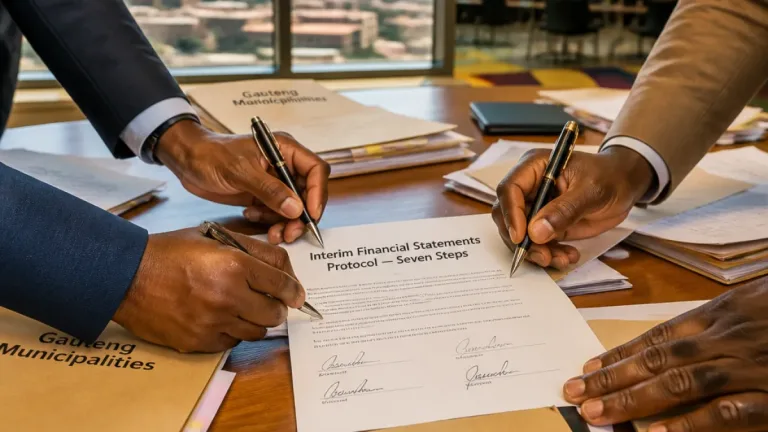
The agreement, awarded to Simunye Air Charter, was cancelled on 6 January 2026 following findings by the Auditor‑General that the procurement process violated the Public Finance Management Act (PFMA), Treasury Regulations and the applicable national Transversal Contract. The matter has been referred to the Special Investigating Unit (SIU).
Premier Panyaza Lesufi launched the Gauteng Traffic Police Airwing on 1 April 2024 as part of wider moves to bolster community safety and give traffic officers an aerial advantage. Less than two years later, the programme has produced no sustained aerial capability for the province, the DA said.
- Contract value: R197,455,554.30
- Amount paid: R156,454,504.65
- Provider: Simunye Air Charter
- Termination: 6 January 2026
- Referral: SIU and Auditor‑General findings
“Four individuals have been implicated, and all Gauteng officials involved in selecting the service provider are now flagged as persons of interest. Yet more than six months on, not one of them has faced a disciplinary hearing.”
Officials remain in post as province borrows aircraft
The DA's briefing says four provincial officials have been named in the probe but none have been suspended or charged with any internal disciplinary processes. The party says that, in the absence of the Airwing, Gauteng has been forced to rely on borrowed helicopters — reportedly a fleet of 12 — at an undisclosed additional cost to taxpayers.
Opposition members describe the saga as evidence of weak governance and political haste. They argue the initiative was rolled out to score visible wins rather than to follow proper procurement and risk‑management processes. The Auditor‑General’s intervention and the subsequent SIU referral underline the legal and financial gravity of the findings.
What the findings mean for community safety and oversight
For residents, the immediate effect is the loss of an aerial resource intended to support traffic policing and crime prevention. Helicopters can provide rapid response, aerial surveillance and support for operations on major roads — capabilities that are now missing from the provincial toolkit while the contract dispute and investigations continue.
The episode also raises questions about internal controls across provincial departments. When large sums are committed before tender irregularities are flagged, it suggests gaps in vetting, contract oversight and transparency. The Auditor‑General’s role in identifying the breaches will be central to any recovery of funds and to recommendations on strengthening procurement practice.
| Item | Detail |
|---|---|
| Contract value | R197,455,554.30 |
| Amount paid | R156,454,504.65 |
| Provider | Simunye Air Charter |
| Termination date | 6 January 2026 |
| Investigating body | Special Investigating Unit (SIU); Auditor‑General |
Provincial spokespeople and the Premier’s office were asked previously to respond to written questions raised in the Gauteng Provincial Legislature, according to the DA’s release. The party has urged timely and transparent follow‑up to recover public funds and hold officials accountable if wrongdoing is proven.
Community safety advocates say the saga highlights the risks of high‑profile programmes that expand without clearly documented procurement and project plans. They have called for stronger oversight mechanisms and quicker internal action where officials are identified as persons of interest.
For now, the Airwing remains grounded and the province’s ability to support traffic policing from the air depends on temporary arrangements and chartered aircraft. The SIU investigation and any subsequent disciplinary or criminal processes will determine whether funds can be recovered and whether officials will face sanctions.
As the legal and oversight processes unfold, questions about cost, accountability and the practical impact on law enforcement will remain central for Gauteng residents who were promised a visible uplift in policing capability when the Airwing was launched.