Vaccination drive reaches over 80% of target herd
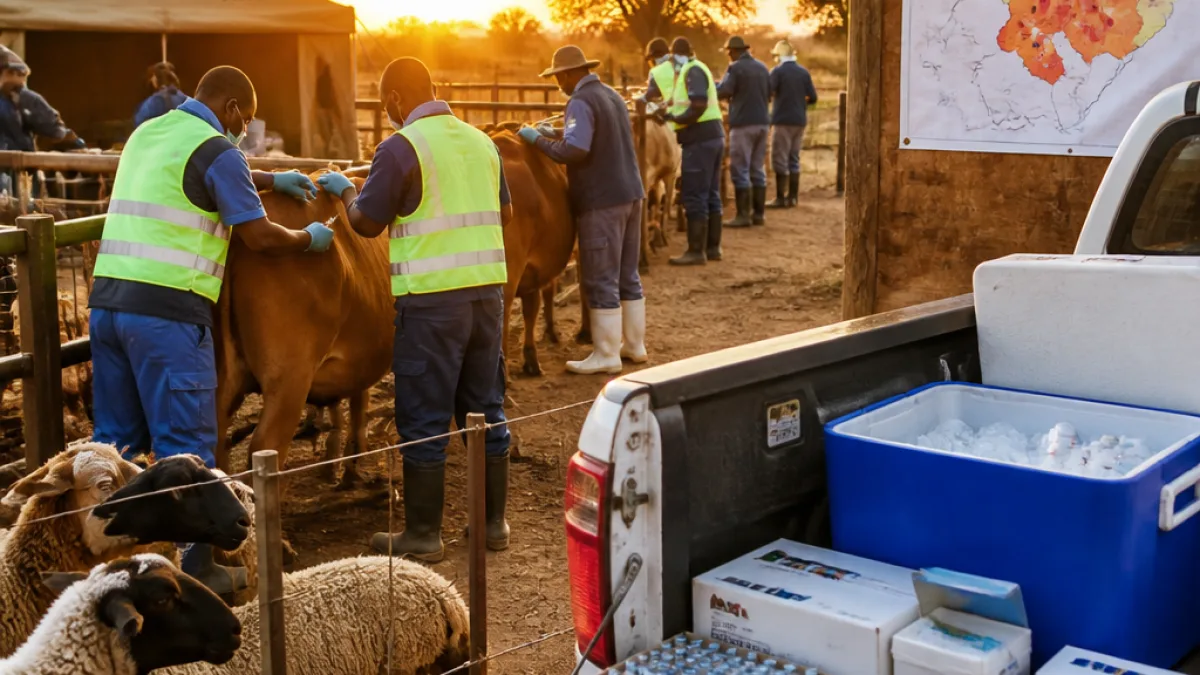
North West veterinary teams have vaccinated 1,315,401 animals against foot-and-mouth disease (FMD) since a mass campaign began in March, provincial officials said. The province received 1,570,100 vaccine doses and aims to cover a target herd of 1.4 million animals.
The campaign is part of the national response to the outbreak and is intended to protect the livestock industry, bolster food security and safeguard the livelihoods of farmers dependent on livestock production, the provincial agriculture and rural development department said.
Cases remain across all four districts
By Friday, 14 August, North West had recorded 479 confirmed FMD cases across its four districts. Dr Ruth Segomotsi Mompati recorded the most cases with 213, followed by Ngaka Modiri Molema with 93, Dr Kenneth Kaunda with 92 and Bojanala with 81.
Of the total confirmed cases, 333 remained active and were under monitoring and management by veterinary teams, while 146 had been closed. The department reported closed cases in areas including Molopo, Rustenburg and Mahikeng, which it described as an encouraging sign that control measures are having an effect.
Veterinary measures and cautions
Provincial officials stressed that vaccination is only one element of outbreak control. The department urged strict biosecurity, responsible livestock movement and adherence to veterinary regulations to prevent further spread.
“The progress we are making in the fight against Foot-and-Mouth Disease is encouraging, but we cannot afford to become complacent. I urge all livestock farmers to continue cooperating with our veterinary officials on the ground and to comply wi”
The quote above was issued by North West agriculture and rural development MEC Madoda Sambatha as vaccination teams continued to work across the province. The department called on livestock owners to cooperate with veterinary officials and follow disease-control measures.
What this means for farmers and communities
For many smallholder and commercial farmers in North West, the outbreak threatens income from sales, access to markets and the productivity of herds. Vaccination reduces risk of widespread infection, but movement restrictions and surveillance remain necessary to maintain market access for livestock and animal products.
- Vaccination progress: 1,315,401 animals vaccinated to date.
- Vaccine stock: 1,570,100 doses received in the province.
- Target herd: 1.4 million animals across the province.
- Confirmed cases: 479 (333 active, 146 closed).
Local hotspots and containment
Dr Ruth Segomotsi Mompati district remains the hardest hit with 213 confirmed cases. Veterinary teams have prioritised surveillance and vaccination in hotspot areas while following up on animal movements that could spread infection to previously unaffected farms.
| District | Confirmed cases |
|---|---|
| Dr Ruth Segomotsi Mompati | 213 |
| Ngaka Modiri Molema | 93 |
| Dr Kenneth Kaunda | 92 |
| Bojanala | 81 |
Practical advice for livestock owners
The department's public guidance underlines actions farmers should continue to follow:
- Report any suspect cases to local veterinary services immediately.
- Limit movement of animals between farms and to markets unless cleared by veterinary officers.
- Maintain on-farm biosecurity: isolate new or returning animals and disinfect vehicles and equipment.
- Ensure cooperation with vaccination teams to achieve full coverage of herds.
Officials said closed cases in areas such as Molopo, Rustenburg and Mahikeng indicate progress but warned that sustained surveillance and compliance are needed to stop further spread.
As vaccination teams continue to reach livestock owners across the province, authorities said they will keep tracking active cases and adjust control measures according to surveillance findings. The campaign’s success will influence regional trade and the ability of farmers to resume normal operations without long-term movement restrictions.
Reporting from Mahikeng, veterinary teams and provincial officials continue to coordinate with national authorities to ensure vaccine supply, laboratory testing and movement controls are in place until the outbreak is declared under control.