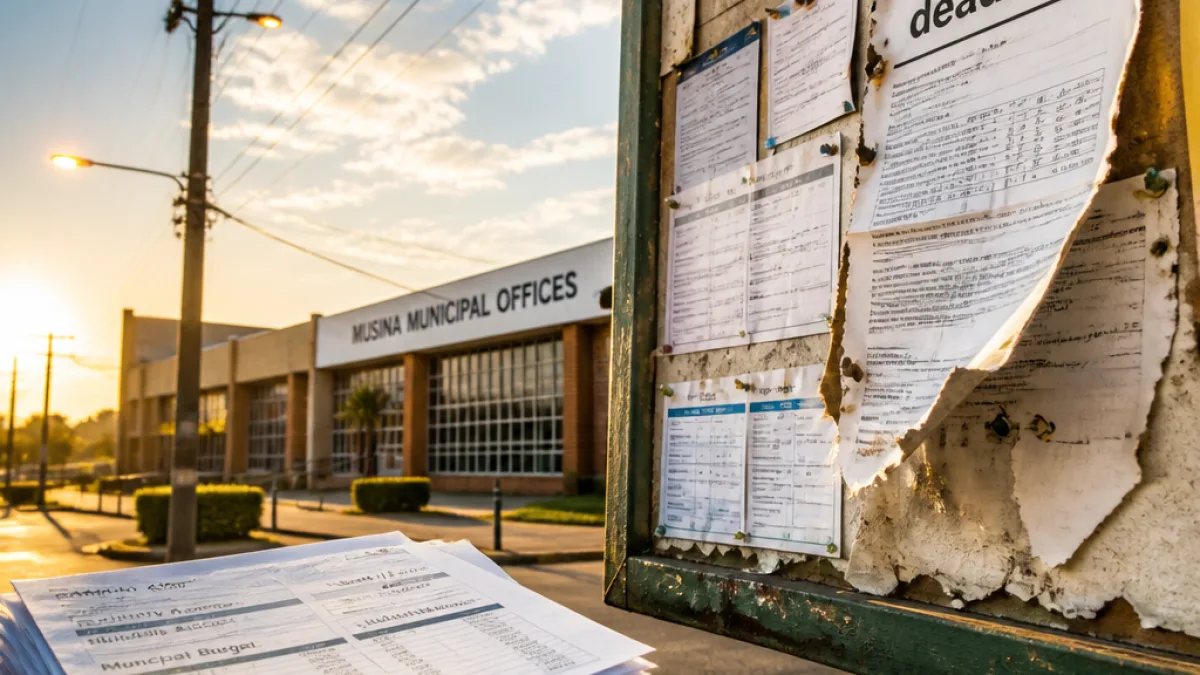
One-day administrative slip may cost Musina R94 million
Musina Municipality is unable to implement planned electricity tariff increases after missing the National Energy Regulator of South Africa (NERSA) deadline, a failure that the municipality says could create a potential budget shortfall of R94 million.
The municipality had tabled its 2026/27 budget in June with an intended 11.32% increase in electricity tariffs. That proposal followed NERSA’s approval in April of a 9.01% increase in the price Eskom charges municipalities that distribute electricity.
However, by the time the budget was presented the municipality already knew it had missed the deadline to apply to NERSA for permission to implement the higher retail tariffs. Without NERSA approval, the municipality is not permitted to charge consumers the proposed rate, and the increases could not be applied in July.
Legal route and court order
After NERSA rejected Musina’s late application on 7 April, the municipality sought help from the South African Local Government Association (SALGA), but that approach did not secure urgent consideration. Musina then approached the Limpopo High Court.
The matter was heard on 23 June by Acting Judge Monare Makoti. The judge was critical of the municipality’s failure to meet the application deadline but nevertheless ordered NERSA to consider the late application. The judgment was circulated on 3 August, according to reporting in the Limpopo Mirror.
“The one-day slip-up could, based on the municipality’s own submission to the court, result in a budget deficit of R94 million,”
While the court order compels NERSA to consider the application, the municipality remains unable to implement the new tariffs until that process is completed. That delay is already putting financial strain on municipal finances because the additional revenue budgeted from the tariff increase has not materialised.
Context and consequences for residents
The tariff-setting process in South Africa has faced criticism in recent years. AfriForum successfully challenged aspects of NERSA’s approach in the North Gauteng High Court in October 2025, where Judge Etienne Labuschagne found that NERSA’s approval process breached the Promotion of Administrative Justice Act (PAJA), as tariffs were routinely approved with limited procedural safeguards, according to previous reporting.
For Musina residents and businesses, the immediate consequence is uncertainty. The municipality cannot lawfully charge the higher rate until NERSA completes its consideration, yet the 2026/27 budget assumed the increased revenue. That gap may force the municipality to reconsider spending choices, delay capital projects or seek other short-term measures to balance its books.
- Planned tariff increase: 11.32% (municipal proposal)
- Approved Eskom increase: 9.01% (NERSA April decision)
- Potential budget shortfall: R94 million (municipality’s court submission)
| Event | Date |
|---|---|
| NERSA rejected late application | 7 April 2026 |
| Budget tabled (with proposed tariff increase) | June 2026 |
| Court hearing | 23 June 2026 |
| Judgment circulated | 3 August 2026 |
The municipality’s own court papers, as reported, quantify the possible loss. At this stage, NERSA must still consider the late application as ordered by the court; until that review is concluded the municipality remains constrained from implementing the tariff adjustments upon which its budget depends.
For Musina’s residents, the unfolding administrative and legal process will determine whether the municipality can recover the budgeted revenue or will need to find alternatives. The municipality, NERSA and SALGA were all named in the sequence of events reported, and the High Court ruling sets the next steps in motion.