Statistics South Africa's labour report for the second quarter of 2026 paints a mixed picture for the provincial economy: nationally the narrow unemployment rate rose to 33.6%, yet Mpumalanga recorded a net increase of 41 000 employed people.
National losses, local gains
The agency reported that the number of unemployed persons nationally rose by 345 000, while the expanded unemployment measure ticked up to 43.8%. Overall employment fell by 16 000.
Job losses were most pronounced in several sectors and provinces. Community and social services shed 57 000 jobs, mining lost 26 000, and agriculture and manufacturing each contracted by 15 000. Provincial declines included the Western Cape (48 000), Gauteng (22 000) and North West (15 000).
Where the jobs were created
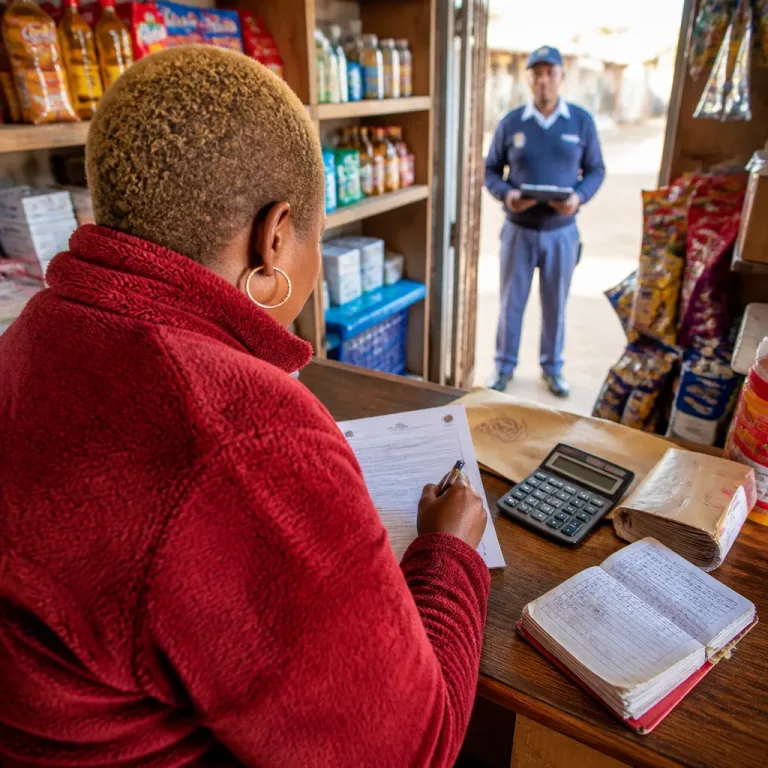
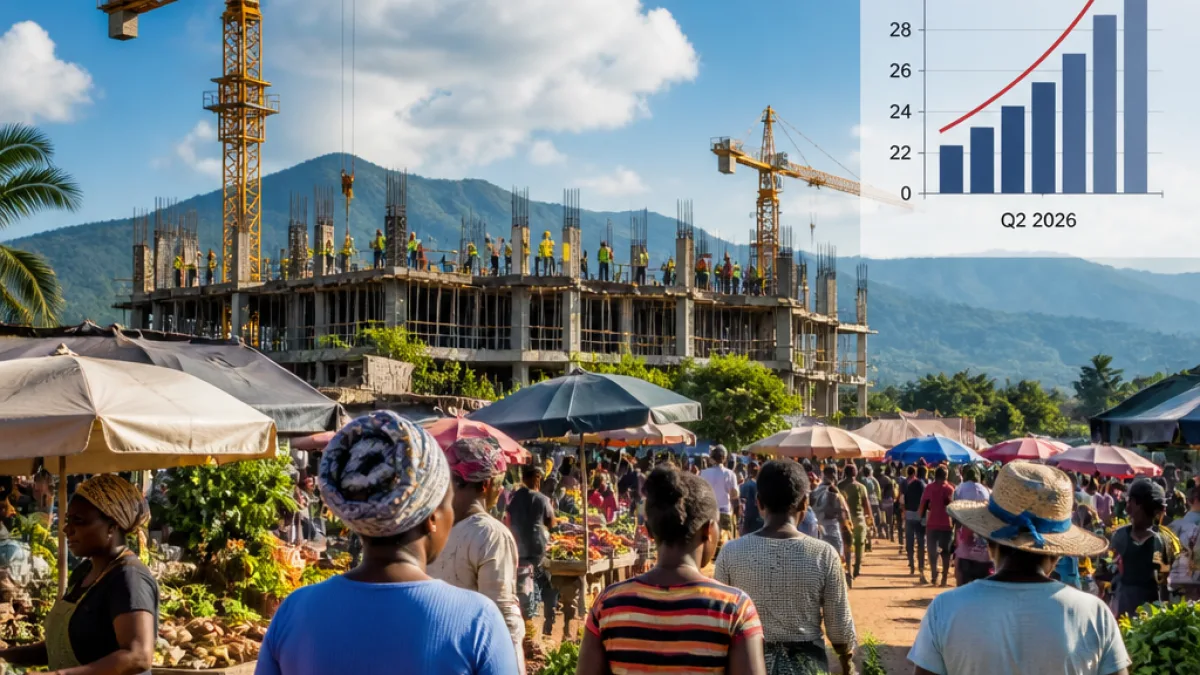
Against that backdrop, Stats SA's figures show sectors and provinces that recorded gains. Notable increases nationally included trade (+70 000), construction (+39 000) and finance (+11 000), while Mpumalanga's rise of 41 000 stood out among the provincial improvements alongside the Eastern Cape (+13 000) and Free State (+9 000).
- National narrow unemployment: 33.6% (Q2 2026)
- Expanded unemployment: 43.8% (Q2 2026)
- Mpumalanga employment change: +41 000 (Q2 2026)
Labour movement, inflation and the outlook
The national labour movement response highlighted concerns about the scale and trajectory of job losses. The Congress of South African Trade Unions (COSATU) Parliamentary Coordinator, Matthew Parks, described the report as “beyond depressing” and warned that the outlook for the third quarter is likely to remain weak, pointing to international developments that have driven up oil and fuel prices.
“We cannot continue to normalise 1% economic growth and dangerously high levels of unemployment, poverty and inequality,”
Parks warned that higher transport inflation — which reached 5% in June 2026 — and broader food and essentials price pressure could prompt the Reserve Bank to raise the repo rate again, placing additional strain on indebted households and an already fragile economy.
What this means for Mpumalanga residents
For households in Mpumalanga the headline gain of 41 000 employed people offers some relief but does not erase vulnerabilities. The provincial economy is closely linked to agriculture, mining, industry and tourism. Gains in trade and construction nationally suggest activity in those sectors helped absorb labour, and similar dynamics may be operating at provincial level.
Local municipal officials and community organisations will still face pressure to convert employment gains into sustainable livelihoods. Short-term jobs in trade and construction can be seasonal or project-based, and residents reliant on fixed incomes will be sensitive to any further interest-rate rises or fuel-price shocks.
Practical implications and what to watch
Residents and small business owners should monitor three things in the coming months:
- Changes to the repo rate from the South African Reserve Bank, which affects credit costs.
- Fuel and food-price movements that influence household budgets and transport costs.
- Local construction and trade opportunities that could provide additional short-term employment.
| Indicator | Q2 2026 |
|---|---|
| Narrow unemployment | 33.6% |
| Expanded unemployment | 43.8% |
| National net job change | -16 000 |
| Mpumalanga net job change | +41 000 |
These numbers will be closely scrutinised by provincial authorities as they plan interventions to sustain and grow employment. For a province whose economy relies on both extractive industries and tourism corridors, maintaining stable transport and energy costs is critical to preserve jobs and attract investment.
While the provincial increase is welcome, the national context remains worrying: high unemployment, inflationary pressures and fragile growth underline the need for coordinated fiscal and labour-market responses. COSATU has called for a bold stimulus package to revive growth — a policy debate that will shape the prospects for jobs in Mpumalanga over the remainder of 2026.
As always, local residents should seek updated information from municipal job centres and the provincial Department of Employment, Small Business Development, Tourism and Environmental Affairs for support programmes and training opportunities tied to construction and trade activity.
Reporting from Mbombela.