
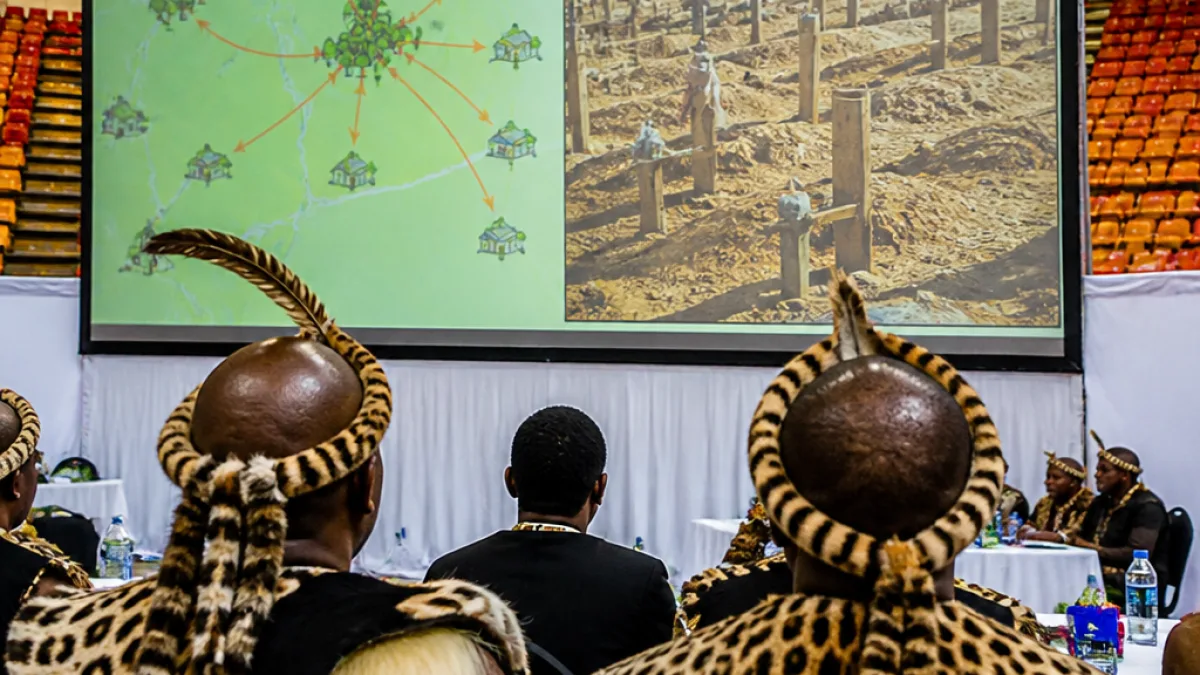
Mbombela. The provincial MEC for cooperative governance, human settlements and traditional affairs, Speed Mashilo, has urged communities across Mpumalanga to reconsider traditional ground burials and embrace cremation, saying traditional leaders will not provide additional land for new graveyards.
Context from the Traditional Leadership Indaba
Speaking at the two-day Traditional Leadership Indaba at the Emnotweni Arena on 15 and 16 September, Mashilo framed the issue as part of a broader challenge of orderly spatial planning and land governance in tribal and rural areas. The meeting drew traditional leaders, including the Congress of Traditional Leaders of South Africa (Contralesa) President Kgoshi Mathupa Mokoena, who had earlier highlighted the hardship faced by poor households asked to travel long distances for burials.
The MEC’s position reflects mounting pressure on local burial grounds across the province. Media reports earlier this year flagged severe capacity constraints at KaSbhula Cemetery in Mahushu, near Hazyview, and noted similar spatial problems in Phola. At KaSbhula, lack of space has forced families to dig graves dangerously close to the busy R538 regional road, creating roadside safety hazards for bereaved families.
Alternatives and where residents may now travel
With some local cemeteries potentially closing when they reach capacity, residents face travelling to larger municipal or regional facilities. The indaba noted nearby alternatives such as Rocky Drift in White River and Nkambeni in KaMajika, but these are further from some rural communities and impose transport and cost burdens.
- Immediate concern: Safety and access where graves are dug near roads because local sites are full.
- Long-term solution proposed: Shift in cultural practice towards cremation and more sustainable land use.
- Governance action: Stronger spatial planning across tribal areas and discouragement of illegal land invasion.
Mashilo also urged traditional leaders to discourage illegal land invasion, saying the practice undermines orderly planning and long-term solutions for burial space. The appeal places responsibility on both municipal authorities and customary leadership to coordinate land use decisions in rural areas.
Practical implications for rural households
The MEC’s recommendation to embrace cremation raises immediate questions for families used to traditional burials. Cremation requires access to crematoria and services that are largely located in urban centres, and costs, transport and cultural considerations will influence whether households can adopt this option. The indaba highlighted the financial strain on poor families who already face higher costs and longer journeys when local grounds close.
| Site | Issue | Alternative noted |
|---|---|---|
| KaSbhula Cemetery (Mahushu, near Hazyview) | Near capacity; graves close to R538 road | Rocky Drift (White River) |
| Phola | Spatial constraints | Nkambeni (KaMajika) |
Officials, traditional leaders and civil society will need to assess how to make cremation accessible and acceptable. That process normally involves public education, investment in facilities, subsidies or fee structures for poorer households, and sensitive engagement with cultural leaders to find acceptable practices.
At the indaba, the conversation about burial space formed part of broader discussions on land governance in tribal areas. The MEC characterised opening new land for burial as an unsustainable long-term solution. He pushed for a change in mindset toward uses of rural land that balance cultural practice with environmental and safety considerations.
For now, families in affected communities face the practical reality of travelling further for funerals or finding interim informal arrangements near busy roads. The call to shift towards cremation will require coordinated responses from provincial government, municipalities and traditional authorities to ensure options are safe, affordable and culturally sensitive.
As Mpumalanga adapts to these spatial constraints, residents and leaders will have to negotiate how best to preserve dignity for the dead while protecting living communities from safety risks and unsustainable land use.















