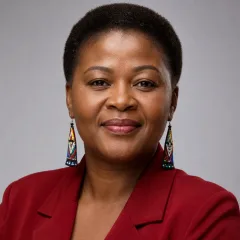
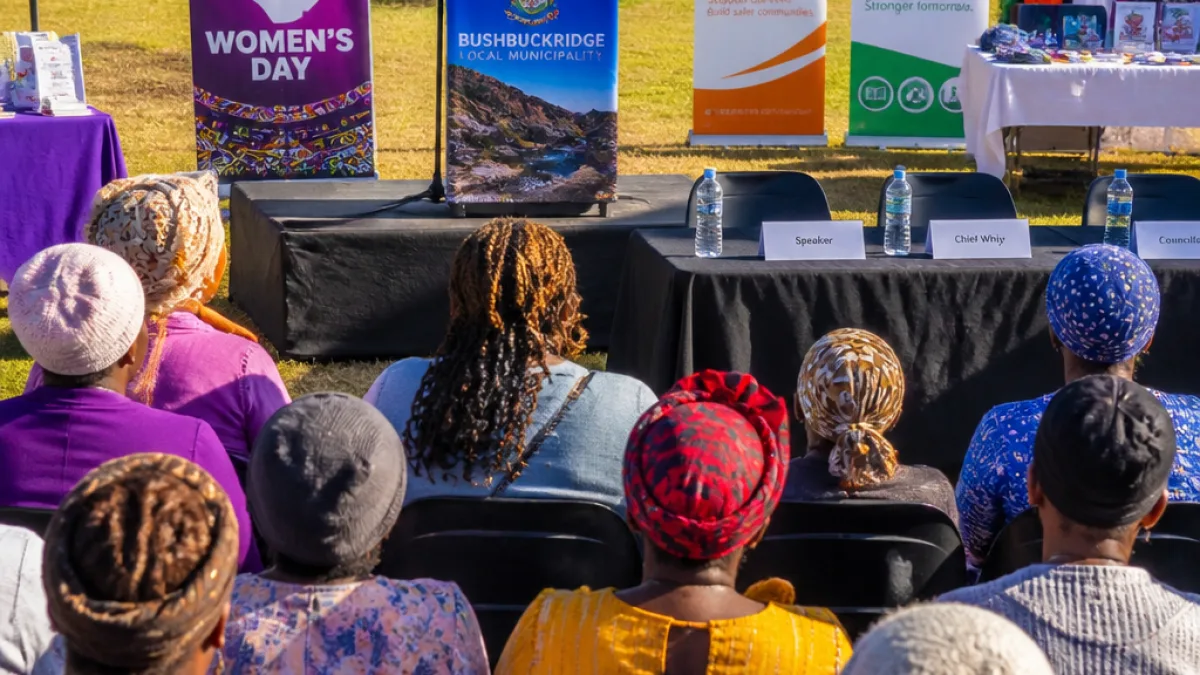
BUSHBUCKRIDGE — The ongoing crisis of gender-based violence and femicide (GBVF) was front and centre at a Women’s Day commemoration in Bushbuckridge, where the provincial MEC for culture, sport and recreation, Leah Mabuza, urged women to take pride in themselves, speak out and make use of opportunities that can improve their lives.
GBV not only a government problem, MEC says
Speaking on 9 August, Mabuza told a crowd that Women’s Day should be more than an annual commemoration; it should be a prompt for sustained action against violence and inequality. She emphasised that tackling GBVF is a shared responsibility extending beyond government to families, community organisations and individuals.
The event drew local leadership, including the executive mayor of Bushbuckridge Local Municipality, Cllr Matlanatso Lydia Moroane, and the provincial MEC for health, Sasekani Manzini, reflecting the cross-sector nature of the challenge.
Economic empowerment as prevention
Mabuza highlighted economic empowerment as a critical pillar of the response. She encouraged women to pursue education, skills training, employment and business opportunities to become financially independent and bolster their capacity to contribute to their families and communities.
Community voices at the event stressed solidarity as a protective factor. Mbali Mahlangu, a community member, said women must support one another and be ready to report abuse so others may find courage.
“We must not be afraid to speak up when we experience gender-based violence. Our voices matter, and when we speak, we can help another woman find the courage to speak up.”
Practical steps and community duties
The commemoration emphasised practical avenues for change at local level. These included encouraging reporting of abuse, strengthening local support networks and ensuring that community structures take allegations seriously so survivors can access help without stigma.
Speakers underlined that creating safer environments requires consistent local engagement — from ward councillors and community leaders to civil society and faith-based groups.
- Report and record: Survivors and witnesses should report incidents to SAPS and local support services.
- Support networks: Neighbours, families and community groups should provide safe spaces and guide survivors to medical and legal assistance.
- Skills and education: Women were encouraged to pursue training and business support to strengthen financial independence.
Linking empowerment, safety and service delivery
The event also served to link social messages with municipal responsibilities. While civil society and provincial departments play key roles, local government must ensure accessible services — from trauma counselling to economic development programmes — reach women in rural and peri-urban areas of the municipality.
| Priority | Emphasis at event |
|---|---|
| Gender-based violence | Collective responsibility; reporting and support |
| Economic empowerment | Education, skills and small business opportunities |
| Community solidarity | Neighbourhood support and destigmatisation of survivors |
For many in Bushbuckridge, these themes have immediate local resonance. Rural communities face barriers to accessing services, and economic marginalisation can compound vulnerability. Speakers called for targeted interventions that respond to the realities of women living in outlying wards.
While the Women’s Day commemoration was celebratory, organisers and officials made clear that celebration must translate into concrete programmes that reduce risk and expand opportunity for women across Mpumalanga.
Residents were encouraged to use public platforms and municipal engagements to press for improved services and to participate in local initiatives aimed at preventing GBVF and promoting women’s livelihoods.
The message from Bushbuckridge was unambiguous: ending GBVF requires both a cultural shift and sustained practical action to empower women economically and ensure communities are equipped to protect and support them.