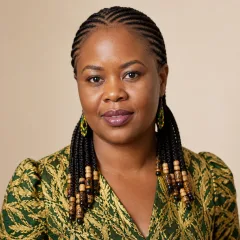
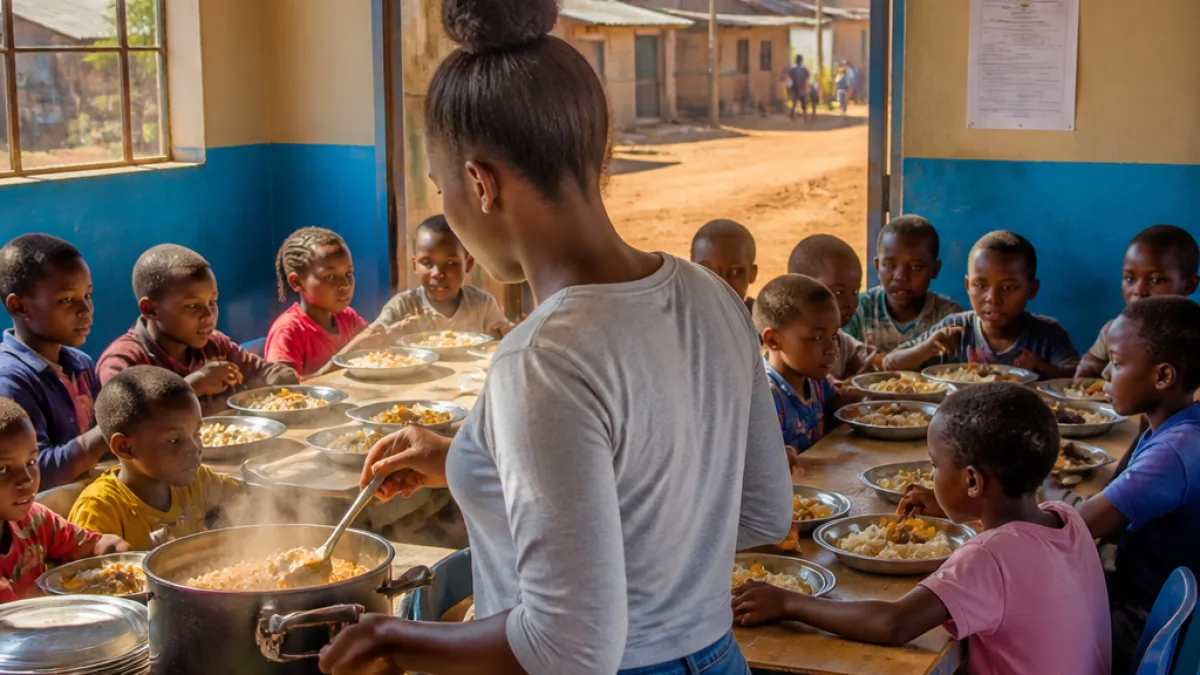
A 25-year-old law student from Ga‑Mohokoni Village in Limpopo has converted her R5,800 NSFAS book allowance into a daily feeding programme that serves about 60 children from poor families, according to reporting by IOL.
From hardship to community action
The woman, identified in IOL's report as Thuto Selomo, opened the Thuto Selomo Organisation drop‑in centre in 2025. She registered the organisation with the Companies and Intellectual Property Commission (CIPC) and the provincial Department of Social Development, the report said.
Selomo told IOL she was inspired by her own childhood experience of severe poverty. She described growing up in a household where the next meal was not guaranteed and where her father worked temporary construction jobs while her mother was unemployed. "My mother struggled a lot... Sometimes we would even go to sleep after eating pap and milk because there was no other option. It was very bad," the IOL report quoted her as saying.
How the centre works
According to the IOL account, Selomo initially carried out community outreach — donating sanitary towels, uniforms and shoes — before deciding that children needed more consistent support. She used her R5,800 NSFAS book allocation to establish a space where children can receive a daily meal.
The centre now provides meals to about 60 children from poor families in the area, the report stated. Selomo said seeing children in dire need, such as one pupil walking to school in plastic sandals on a cold winter morning, motivated her to set up a permanent facility rather than relying on occasional donations.
"I always wished that if I had money, I would help those who were struggling like me to get food, especially kids," Selomo said, according to IOL.
Community impact and practical details
The shift of NSFAS funds — which are intended to cover book costs for students — into a feeding programme raises questions about gaps in social support for vulnerable families. Selomo has positioned the drop‑in centre as a local safety net for children who otherwise go hungry or attend school without adequate clothing.
Local residents and community leaders can help sustain such initiatives in several practical ways:
- Donate non‑perishable food items or groceries to the drop‑in centre.
- Provide financial contributions or fundraising support for daily operational costs.
- Volunteer time for food preparation, basic tutoring or distributing warm clothing during winter.
- Connect the centre with local businesses, NGOs or faith groups that operate feeding schemes.
| Item | Detail |
|---|---|
| Founder | Thuto Selomo (25), law student |
| Initial funding | R5,800 (NSFAS book allowance) |
| Beneficiaries | About 60 children |
| Registration | CIPC and Limpopo Department of Social Development (registered in 2025) |
Broader context and what this means locally
Selomo's actions highlight how young people in rural and peri‑urban communities sometimes step in to fill gaps left by state or private welfare provision. While the NSFAS allowance she used is intended for academic resources, the decision to channel it into feeding children points to immediate needs in households where parents are unemployed or earn unstable incomes.
Registered organisations such as Selomo's can access additional support if they connect with local government offices, social development departments, and established charities. The IOL report notes the organisation's registration with provincial social development structures, which may help in seeking formal partnerships or donor funding.
For families in Ga‑Mohokoni and surrounding communities, the drop‑in centre offers a predictable source of nourishment for schoolchildren — an intervention that can improve concentration in class and reduce the strain on parents who struggle to provide daily meals.
Community members who wish to support the Thuto Selomo Organisation are advised to contact local ward councillors or the provincial Department of Social Development to learn how to engage formally with registered feeding schemes. Small, consistent contributions — whether food, clothing or volunteer time — can sustain such local initiatives until larger funding streams are secured.
This report is based on an IOL article by Simon Majadibodu published one week ago and presents the facts reported about the centre's founding, funding and beneficiaries.