
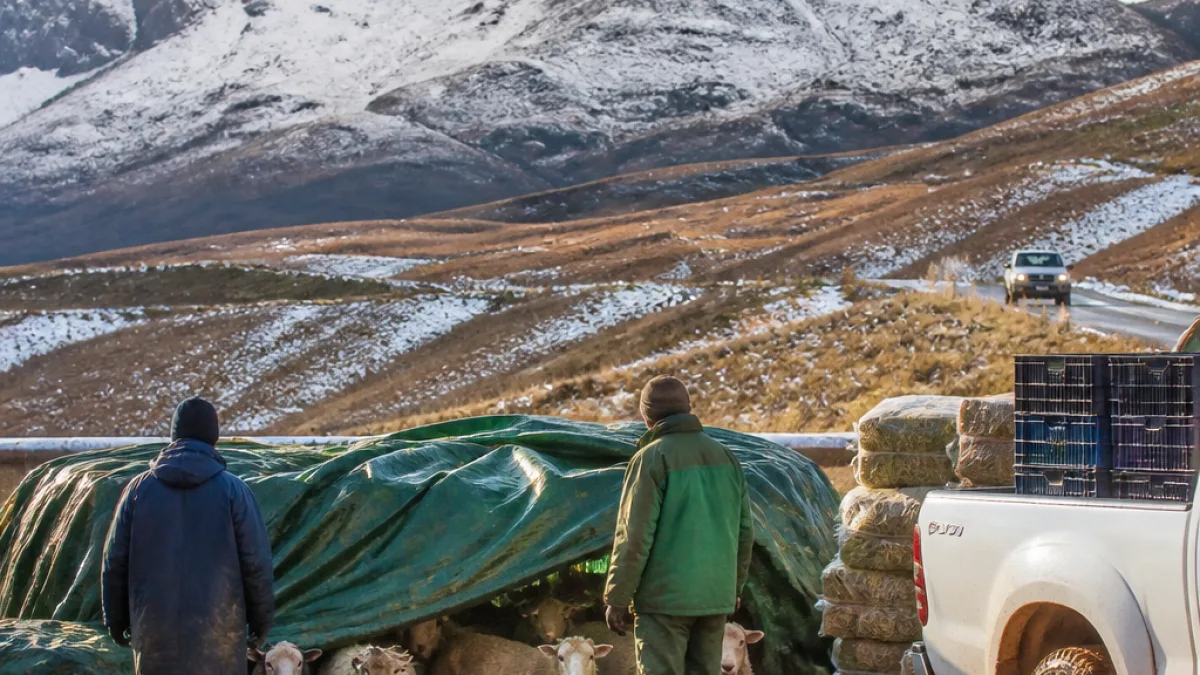
KwaZulu‑Natal farmers have been urged to remain vigilant as severe winter weather brings snow and disruptive conditions to parts of the province, but the African Farmers Association of South Africa (AFASA) in KZN says its members have so far reported no major incidents.
Preparedness, not panic
AFASA’s provincial representative, Lloyd Hadebe, said the association had warned farmers in advance to make preparations for the cold snap and to ensure livestock were sheltered and fed. The association is monitoring conditions closely and is in contact with members across affected districts.
"Our concern is that because it's wintertime and on the fields there, there's not enough grass for animals, it's going to be worse towards our small farmers. But we were ready as AFASA and our members, for this particular weather," said Hadebe.
Hadebe’s comments underline a practical focus: readiness rather than alarm. Larger commercial farms tend to have infrastructure and feed reserves to ride out short shocks, while smallholders — who rely on natural grazing and limited savings — remain most at risk if the cold and snow persist.
Weather status and transport
The South African Weather Service (SAWS) had placed the southwestern part of the province under a Yellow Level 2 alert for disruptive snow. Transport officials have been working overnight to keep major routes clear and prevent snow accumulation that could close roads or cause accidents.
Officials involved in road maintenance and toll operations urged motorists to drive with caution on affected routes. Where practical, travellers were advised to delay non‑essential journeys until conditions improve.
| Alert | Area |
|---|---|
| Yellow Level 2 (disruptive snow) | Southwestern KZN (as indicated by SAWS) |
Impact on livestock and crops
AFASA’s monitoring focuses on two immediate agricultural threats: loss of vulnerable livestock and damage to winter crops. Hadebe noted that many fields currently have limited grazing due to the season, making small producers particularly vulnerable if they cannot source additional feed.
- Smallholder farmers are most at risk because of limited winter grazing.
- Commercial farms reported preparedness measures and no significant incidents to date.
- Transport authorities continue to keep major routes open and monitor conditions overnight.
At present, AFASA’s updates indicate no widespread livestock losses or crop failures in the province. The association emphasised the need for continued vigilance and urged farmers to report any emerging incidents promptly to help co‑ordinate support.
Practical advice for farmers and rural communities
Local agricultural organisations and extension officers recommend practical steps to reduce weather‑related losses:
- Move vulnerable stock to sheltered areas and ensure bedding is dry.
- Provide supplementary feed early rather than waiting for visible distress.
- Check water supplies and prevent troughs from freezing where possible.
- Monitor weather updates from SAWS and heed road warnings before travelling.
AFASA said it would continue its outreach to members and provide situational updates as conditions evolve. Farmers experiencing problems were encouraged to contact the association so it could assess needs and liaise with relevant authorities.
The unfolding cold snap has also put pressure on emergency services and road crews in other provinces, underscoring the value of early preparation in limiting harm to people, animals and livelihoods.
As the weather system moves through the region, farmers and rural residents in KwaZulu‑Natal should keep checking official SAWS advisories and coordinate with local agricultural bodies for support and information.














