Community volunteers step in as fires, livestock theft risks persist
Volunteers from AfriForum’s Klerksdorp neighbourhood team say they stepped up during July to help contain a series of fires and to bolster farm security by improving communications among rural watch groups. The group also carried out maintenance work in town and prepared a local mountain-bike route ahead of a competition.
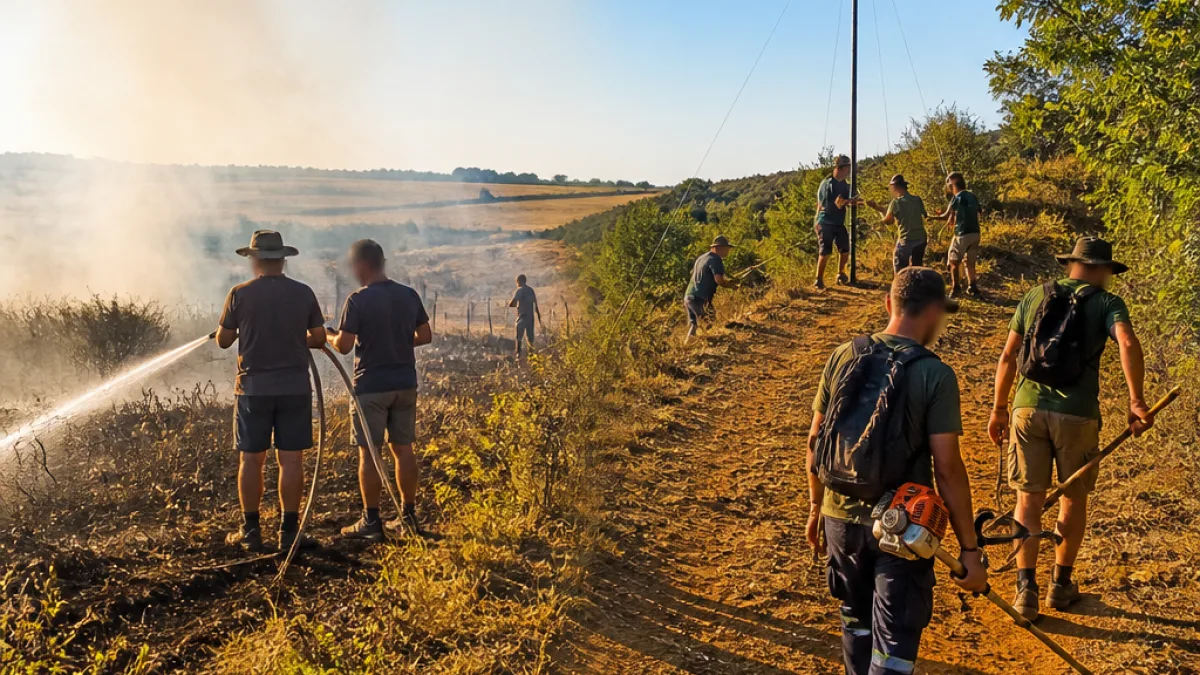
According to the organisation’s report, the team helped extinguish three fires close to homes and responded to four veld fires on surrounding farms. In some cases where the municipal fire brigade was delayed or unavailable, AfriForum members and other patrollers assisted with firefighting equipment to bring flames under control.
“AfriForum’s Klerksdorp neighbourhood team was established by the community, for the community,” said SW Scott, chairperson of AfriForum’s Klerksdorp branch.
Scott is quoted as saying the team aims to address a wide range of local challenges and that community involvement remains central to achieving sustained improvements to safety.
Farm watch: radio network and joint patrols
The branch reports it established a radio network to improve communication among farm-watch members. The improved link-up was used during joint safety operations focused on combating livestock theft, a persistent concern for farmers in the region.
AfriForum’s account did not provide independent incident statistics for livestock theft, but emphasised the practical value of fast, reliable communication between rural households, patrols and support volunteers when incidents occur or when early action is needed to protect property and livestock.
Town maintenance and recreation
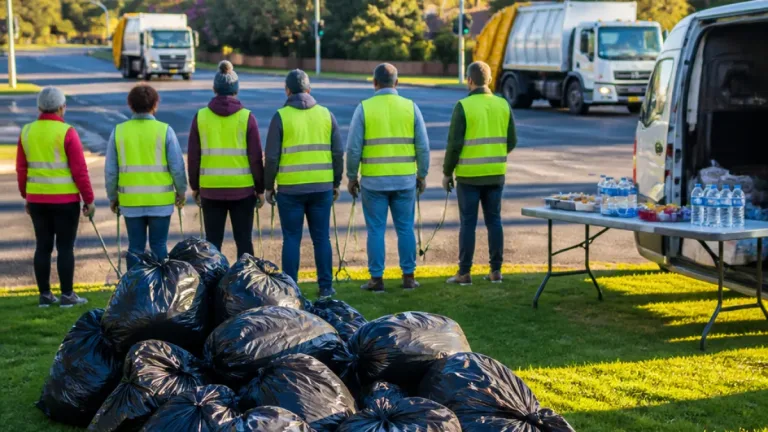
Beyond law-enforcement support, the team undertook environmental maintenance in parts of town. Activities included cutting grass and cleaning public spaces. The branch reported that traffic islands and 2.4 km of grass along Buffeldoorn Road and Central Avenue were cut, while a local mountain-biking trail was cleaned and signposted ahead of an organised event.
- Fires assisted: 3 near homes
- Veld fires on farms assisted: 4
- Length of grass cut: 2.4 km
- Radio network: established for farm watch communications
| Activity | Reported figure |
|---|---|
| Urban fires helped | 3 |
| Veld fires on farms | 4 |
| Grass cut (Buffeldoorn Road & Central Ave) | 2.4 km |
Local context and implications
Community-led initiatives such as AfriForum’s neighbourhood team operate alongside municipal services and SAPS to fill gaps when state resources are stretched. Klerksdorp and surrounding farming districts have seen seasonal spikes in veld fires, and quick local responses can limit damage to homesteads, crops and grazing land.
Farmers and workers are often the first to notice and act on fires or theft. In that sense, a functioning farm-watch communication network is practical: it reduces response times for private patrols and improves coordination with emergency services when they arrive. However, reliance on volunteer action should not substitute for properly resourced municipal emergency services and policing, especially where lives and livelihoods are at stake.
AfriForum’s statement invites residents to join its Klerksdorp branch; SW Scott is listed as a contact. The organisation framed the branch as a community resource that combines practical interventions — fighting fires, conducting patrols, maintaining public spaces — with an appeal for broader involvement to sustain the work.
For Klerksdorp residents, the immediate impact of the branch’s July activity is tangible: fires brought under control, visible maintenance work and clearer communication among rural watch groups. For labour and farm communities, the activities underline the ongoing need for cooperative approaches to safety that include farm workers, smallholders and urban residents.
Organised community effort can reduce harm in the short term, but sustained security improvements will depend on coordination with municipal services, emergency responders and the police to ensure volunteers are supported and that prevention and enforcement measures are effective.