Police investigate whether killings east of Johannesburg are linked
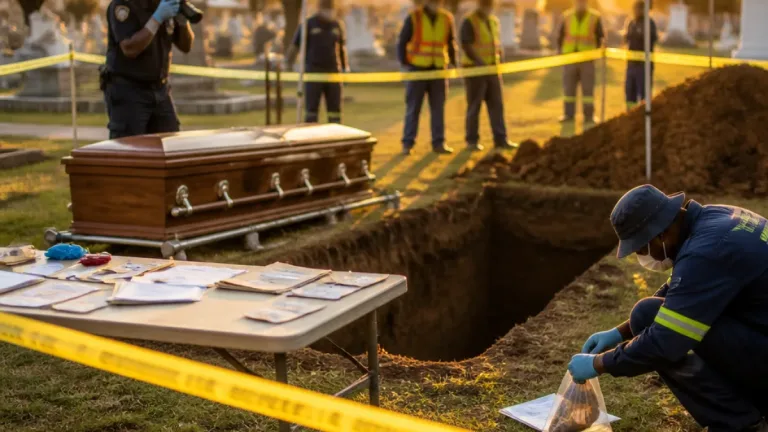
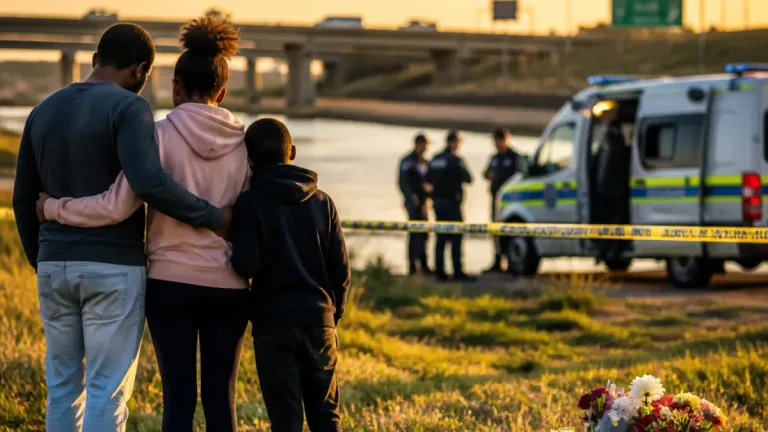
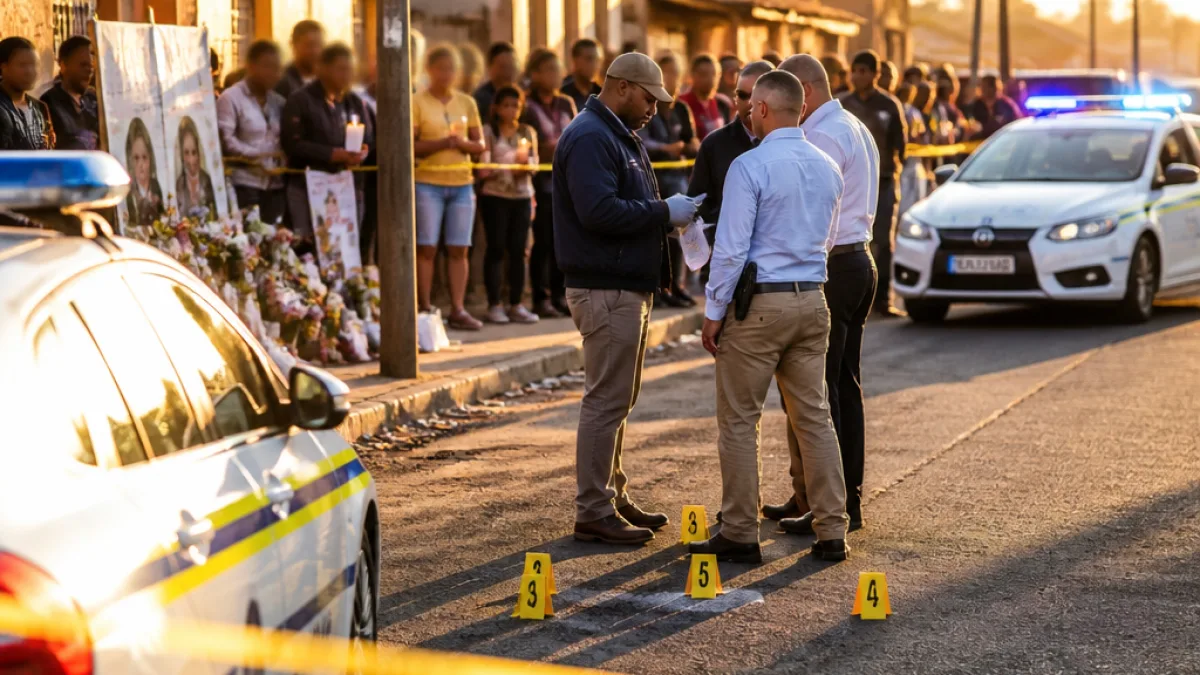
Police are conducting an urgent investigation after the discovery of at least seven women whose bodies were found east of Johannesburg over a two-month period. The killings — bodies described as partially naked and battered in several cases — have deepened anxiety in communities across the Ekurhuleni municipality and raised the prospect of a serial offender or a group of perpetrators operating in the area.
The provincial police spokeswoman, Athlenda Mathe, said investigators were working to determine whether they were dealing with a single perpetrator or multiple offenders. She described the findings as “concerning.”
“We are still investigating whether we are dealing with one perpetrator or a group of men that are behind the murders of these women,” Athlenda Mathe said.
The cases span from mid-July to September. According to police reports:
- The first victim, a 37-year-old woman, was found on 15 July naked and bound with cable ties; a suspect was arrested two days later.
- A second woman, 32 years old, was discovered partially clothed on 24 August.
- A third body, found on 10 September, was naked and in an advanced state of decomposition.
- The fourth recorded victim, 38-year-old Elizabeth Moselakgomo, disappeared after setting out for a jog and was found on 12 September; she left behind an eight-year-old daughter.
| Date | Detail |
|---|---|
| 15 July | 37-year-old woman found naked and bound; suspect arrested 17 July |
| 24 August | 32-year-old woman found partially clothed |
| 10 September | Woman found naked, advanced decomposition |
| 12 September | Elizabeth Moselakgomo, 38, found after going for a jog; left an eight-year-old daughter |
Community alarm and national response
The cluster of discoveries has provoked fear locally and prompted national comment. President Cyril Ramaphosa said authorities would leave “no stone unturned” in solving the killings, acknowledging the anxiety the incidents have caused for communities and women in particular. Acting police minister Firoz Cachalia described the recoveries as “deeply disturbing.”
“No stone will be left unturned,” President Cyril Ramaphosa said, adding that the incidents were causing “fear and uncertainty in our communities, and especially among women.”
Human-rights groups framed the killings within the broader crisis of gender-based violence in South Africa. Amnesty International South Africa described the discovery of the bodies as “just another horrific reminder that women in South Africa” face extreme and persistent danger, referencing long-standing national statistics that one in three women will experience physical or sexual violence during their lifetime.
What this means for Johannesburg residents
The bodies were found in the Ekurhuleni municipal area to the east of Johannesburg, an axis that includes residential suburbs, industrial zones and transport corridors. For many residents of Egoli this will sharpen existing concerns about personal safety while moving through public spaces such as streets, parks and transport hubs.
Police have not confirmed whether all recovered bodies are linked or whether the motive in each case is the same. Investigations remain active and ongoing; community members have been asked to come forward with any information that could assist detectives.
Local running groups and residents who use open spaces for exercise reacted with alarm after Moselakgomo’s disappearance drew attention from fellow runners on social media and helped lead to further recoveries.
Authorities have urged residents to report suspicious activity and to check in on vulnerable neighbours. The police appeal also serves as a reminder to ordinary Johannesburg residents to be cautious and to use community safety structures, where available.
As the investigation continues, the police have reiterated their commitment to solve the cases and to provide updates. For now, families of the victims and communities east of Johannesburg are waiting for answers and for steps that will restore a measure of safety to daily life.