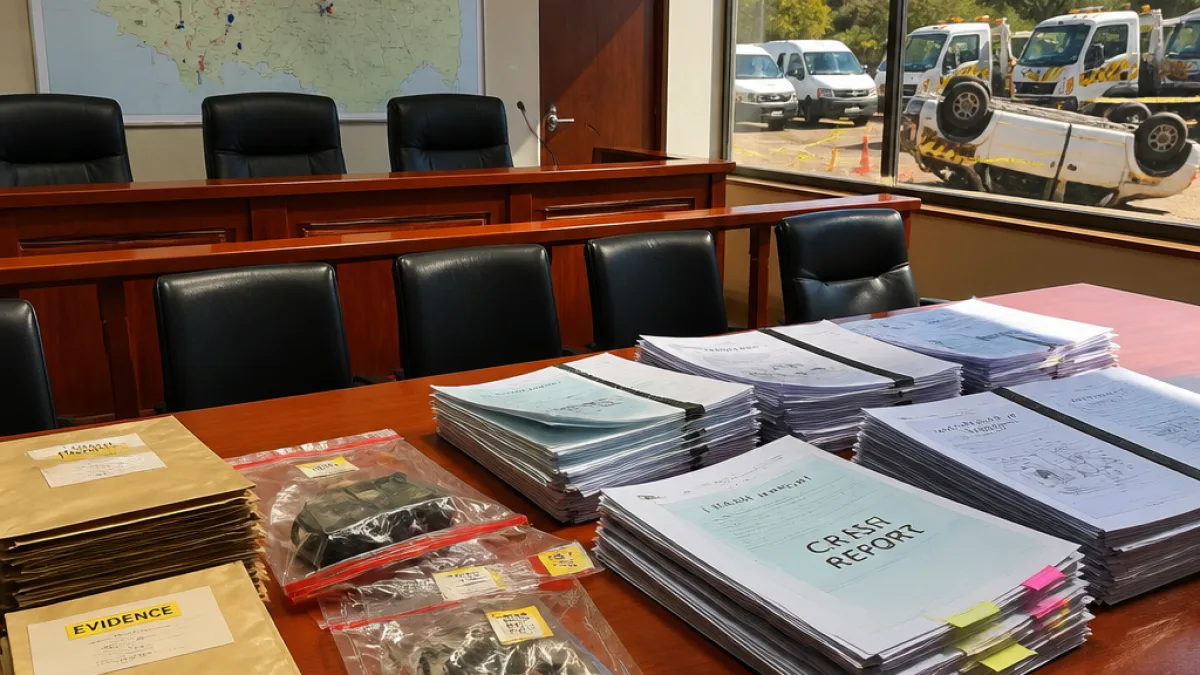
LIMPOPO — Concerns over unroadworthy vehicles and the overloading of learner transport were heard at a provincial Scholar Transport Public Inquiry on 11 August, as the Department of Transport and Community Safety faces renewed scrutiny following several deadly incidents this year.
Fatal crashes prompted inquiry
The inquiry was held after a series of scholar-transport incidents that claimed lives and left many learners injured. On 30 July a bakkie carrying learners overturned in Dididi Village in Vhembe District. A 15-year-old learner died, 12 others — including the driver — were critically injured and a further 13 sustained injuries, according to provincial reports.
Earlier in the year, in Sekhukhune, a Toyota Quantum minibus taxi transporting learners caught fire on gravel road D4246 between Apel and Ga-Nkoana towards Dithabaneng village in the Makhuduthamaga Local Municipality. Two children died and seven were injured; the driver was arrested and police investigations continued, the department said.
Department response and legal requirements
Violet Mathye, the MEC for Transport and Community Safety, condemned the use of bakkies to ferry learners and restated legal requirements for scholar transport. She said only registered buses and midi-buses with valid operating licences and roadworthy certificates may be used to convey learners.
“Only registered buses and midi-buses with valid operating licences and roadworthy certification may legally be used,” the MEC said.
The province has launched repeated enforcement operations this year. A major compliance operation led by the MEC in Polokwane in January formed part of a “Safer Back to School” campaign, resulting in the impoundment of 24 scholar transport vehicles — 20 minibuses, four seven-seaters and one discontinued vehicle — and a summons for illegally conveying people in a light delivery vehicle.
Mathye acknowledged a downside to the enforcement effort: some non-compliant operators avoided checkpoints, leaving learners to walk long distances to school. She urged parents to ensure children travel in compliant vehicles.
What the inquiry is focusing on
The public inquiry examined several recurring problems raised by the crashes and enforcement checks:
- Use of bakkies and other unsuitable vehicles to transport learners
- Overloading of learner transport vehicles
- Lack of valid operating licences and roadworthy certification for many vehicles
- Enforcement challenges when operators evade checkpoints
Officials at the inquiry discussed stepped-up compliance operations and the need for stricter monitoring of scholar transport operators, particularly in rural districts where informal arrangements are common and distances to schools are long.
Impact on families and schools
Families in affected districts face difficult choices. Where compliant transport is unavailable, parents must balance the cost and time of longer commutes against the risk of using unroadworthy vehicles. Some learners have been forced to walk long distances after enforcement operations impounded non-compliant vehicles; others rely on ad hoc community arrangements that may not meet legal safety standards.
School authorities and community leaders attending the inquiry asked for clearer communication from the department about how to vet operators, and for expanded transport subsidies or regulated routes to reduce reliance on unsafe conveyances.
Quick facts
| Incident | Date | Location | Casualties |
|---|---|---|---|
| Bakkie overturn | 30 July | Dididi Village, Vhembe District | 1 dead, 12 critically injured, 13 injured |
| Minibus taxi fire | Earlier this year | Mannyetha route, Sekhukhune (road D4246) | 2 dead, 7 injured; driver arrested |
| Polokwane compliance drive | January | Polokwane | 24 vehicles impounded (20 minibuses, 4 seven-seaters, 1 discontinued) |
Practical advice for parents and guardians
- Ask to see the operator’s operating licence and roadworthy certificate before allowing a child on board.
- Report overloading or visibly unsafe vehicles to the local municipality or SAPS.
- Where possible, form community transport co-operatives that can register formally and meet safety standards.
- If checkpoints have led to longer walks for learners, notify the school and local councillor so temporary measures — such as supervised pick-up points — can be arranged.
The public inquiry on 11 August underlined the urgency of preventing further tragedies. Provincial authorities said enforcement will continue, but community action and parental vigilance remain critical in places where safe, registered scholar transport is scarce.
— Mpho Netshimbupfe, Limpopo Correspondent