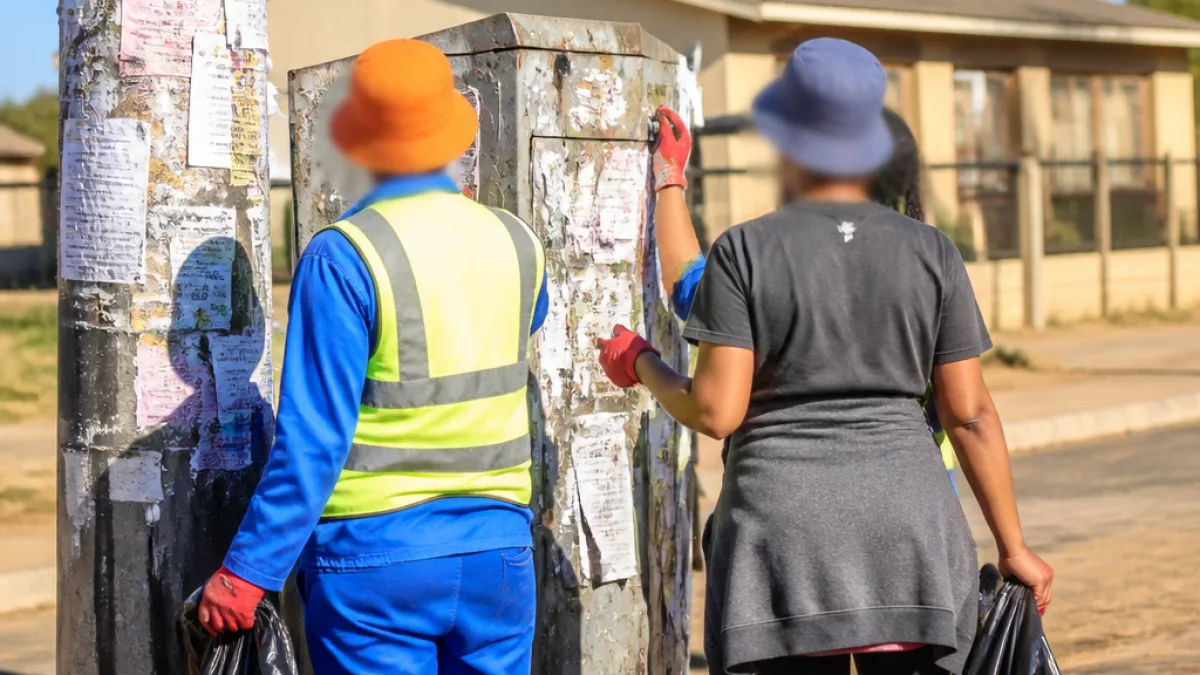
Backstreet providers advertise on posters across Mbombela
An investigation by a local newspaper has revealed that illegal abortion practitioners are operating in Mbombela, using roadside posters and pamphlets to advertise services. The probe found men who claimed to be doctors or traditional healers from Ghana and Nigeria saying they perform abortions in unregulated premises and sell foetuses to traditional healers.
The issue was highlighted again after the community group We Care 4 Nelspruit and its pastor, TJ Maré, began removing posters that advertise these services. The investigators visited several of the backstreet operators and reported detailed claims about how they run their businesses.
Claims made by operators point to public health and legal risks
Operators interviewed said they relied on posters as their main advertising and employed people to put up advertising and distribute pamphlets. One man who identified himself as a traditional doctor from Ghana said some of the medication he used was obtained from government officials, while other medicines were imported from Ghana. He told the newspaper he knew he was breaking the law but continued because it was his livelihood.
“The posters are my only source of advertising and they also create jobs for unqualified people. I know the municipality does not want them displayed. I have received numerous complaints and fines, but there is nothing I can do because formal advertising is very expensive,” the man said, according to the newspaper.
Another man, who said he was a doctor from Nigeria, described performing the procedure in his consulting room and cleaning the womb afterwards. He claimed he required women to leave the foetus behind so there would be no traceable evidence if complications arose. He added that traditional healers buy foetuses and that some travel from other countries to obtain them.
Community response and municipal enforcement
Community activists have pushed to remove the illegal posters. The campaign led by We Care 4 Nelspruit was noted in the report as a response to widespread advertising. The municipality has received numerous complaints and, according to the operators interviewed, has issued fines, but the newspaper account suggests the posters remain visible across parts of the city.
These developments raise multiple concerns for Mbombela residents: the safety and health of women seeking abortions outside regulated health facilities; the illegal sale and disposal of human tissue; and the persistence of unauthorised advertising on public infrastructure.
Public health, legal and municipal angles
From a health perspective, abortions performed in informal settings by unregulated providers carry heightened risks of complications, infection and incomplete procedures. The claims that medicines are supplied from unknown sources — including the allegation of procurement from government officials — complicate oversight and supply-chain accountability.
Legally, abortion in South Africa is lawful under the Choice on Termination of Pregnancy Act when performed within the parameters of the Act and by authorised providers. Where services fall outside those provisions, criminal and regulatory issues arise for providers and any parties involved in illegal advertising, procurement or handling of human remains.
- Advertising on public structures: Posters for abortion services were reported on electrical infrastructure across Mbombela.
- Alleged practices: Operators claimed to perform procedures in unregulated rooms and to sell foetuses to traditional healers.
- Community action: We Care 4 Nelspruit has been removing posters and lodging complaints.
| Issue | Reported detail |
|---|---|
| Advertising | Posters and pamphlets on streets and electrical infrastructure |
| Provider origins | Individuals claiming origins from Ghana and Nigeria |
| Allegations | Sale of foetuses to traditional healers; medication from unknown sources |
The investigation’s findings reinforce the need for co-ordinated action by health authorities, municipal enforcement and community organisations to protect women and to curb illegal trade and advertising. For Mbombela residents, the matter intersects with concerns about safe reproductive care, responsible municipal by-law enforcement and the stewardship of public spaces.
Local health services and law-enforcement agencies were referenced in the report through operators’ claims about fines and complaints, but the newspaper report did not include on-record responses from provincial health authorities, the municipality or SAPS. The pattern described by the investigation will likely prompt follow-up by those agencies.