
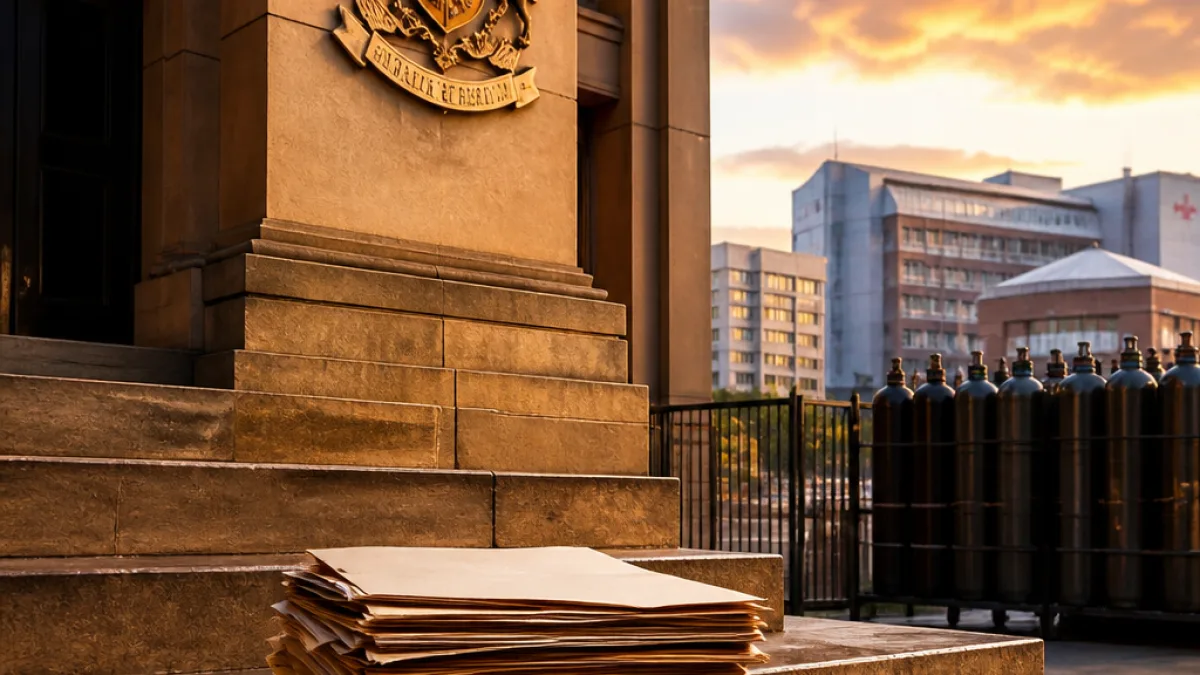
The Gauteng government now faces an uncertain, potentially large, financial liability after the High Court in Johannesburg found the provincial Department of Infrastructure Development (GDID) breached a gas supply contract that covered 10 public hospitals.
Judge refers damages to trial, leaving cost unknown
Judge Stuart Wilson concluded the department had breached the agreement with Virtual Gas Network (VGN) but did not set the amount of compensation. Instead, the judge referred the question of how much VGN should receive to a full trial, meaning the final figure will be determined later in court.
VGN had sought in excess of R200 million for damages, including claims for lost past and future profits and unpaid rental for gas storage equipment installed at some hospitals. The exact exposure for the province — and therefore taxpayers — remains unresolved until the damages trial is heard and decided.
Origins of a long‑running dispute
The dispute stretches back more than a decade. In September 2015, GDID contracted VGN to install gas storage infrastructure, known as "daughter stations", and to supply natural gas to four Gauteng hospitals under a three‑year arrangement. Under that contract the department agreed to pay for a minimum annual quantity of gas whether the hospitals used the gas or not. That annual minimum quantity was just under 410,000 gigajoules.
In November 2016 the parties signed an addendum that expanded the deal to include a further six hospitals and additional infrastructure installations. VGN took on financing to deliver the expanded programme, borrowing R39 million from the Industrial Development Corporation to fund the extra daughter stations.
After expansion, the arrangement deteriorated amid payment problems and lower‑than‑anticipated gas usage by hospitals. The department ultimately terminated the contract, a move the High Court has now found unlawful.
Province already flags tight finances
The ruling lands at a difficult moment for provincial finances. Gauteng's finance MEC, Lebogang Maile, has previously warned the province operates in a "constrained fiscal environment" and must seek alternative funding sources to meet growing service demands while economic performance is weak.
"While Gauteng remains the economic nerve‑centre of the national economy, we do not have limitless resources," Maile said.
That admission highlights the wider implications: any substantial damages award will be paid from the province's budget, potentially diverting funds from other public services or adding to fiscal pressure.
What is at stake for residents
The case matters to residents because it involves public hospitals and provincial budgets. Key practical consequences include:
- Potential redirection of provincial funds to settle damages, affecting other service delivery priorities.
- Legal and procurement lessons for how the province structures supply contracts that carry take‑or‑pay provisions.
- Operational uncertainty at hospitals that were meant to benefit from the gas infrastructure if the matter influences future energy arrangements.
Timeline and figures
| Year | Event |
|---|---|
| 2015 | Contract signed for gas supply to four hospitals; annual minimum ~410,000 GJ |
| 2016 | Addendum added six hospitals; VGN borrowed R39 million from the IDC |
| 2024–2026 | Payment disputes, contract termination, Gauteng High Court finds breach; damages referred to trial |
| — | VGN seeks in excess of R200 million |
Next steps
The amount Gauteng will have to pay remains unknown until the trial determines damages. The province may consider settlement negotiations, appeal options or preparing for trial. Each route carries fiscal and reputational consequences.
For residents, the ruling is a reminder of the link between contractual decisions by government departments and everyday public finances. As the matter proceeds through the courts, Gauteng’s leadership will be under pressure to explain how any settlement or award will be funded without further undermining service delivery.
Reporting on provincial fiscal risk and court timetables will continue as the case moves toward a damages hearing.














