Community raises access and safety concerns at local disability dialogue
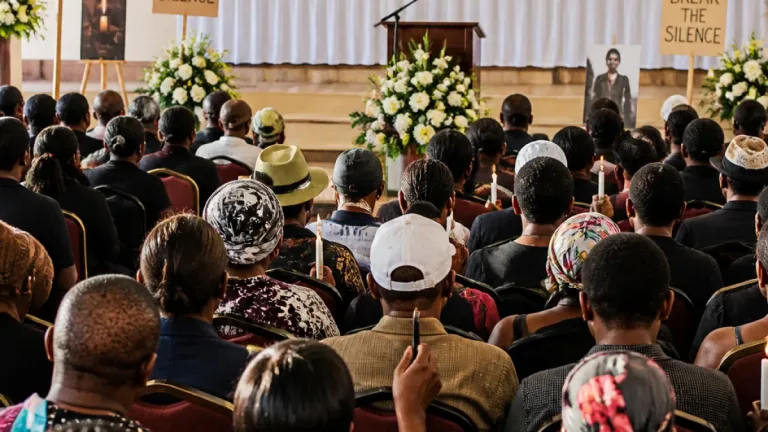
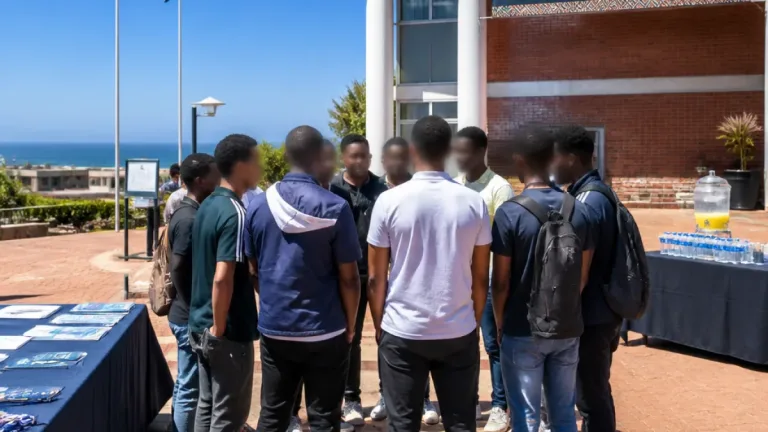
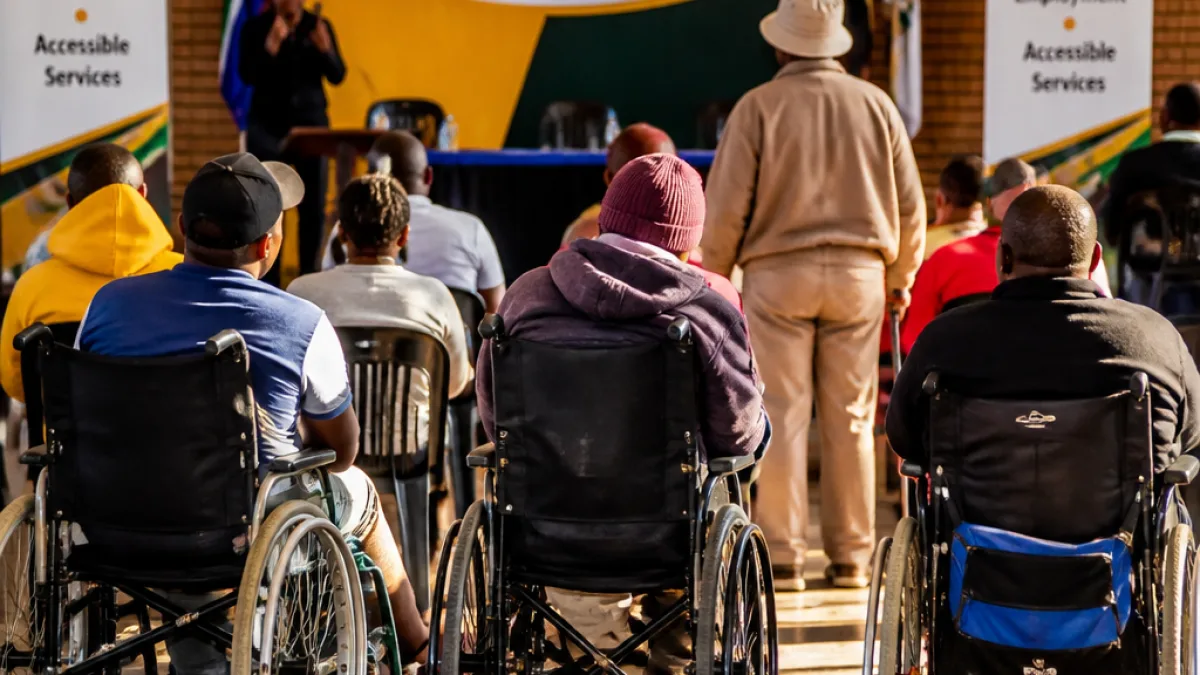
Residents of eMalahleni living with disabilities used a national engagement held in the town on 28 August 2026 to highlight persistent problems of crime, unemployment and inaccessible public services. The National Dialogue of South Africa for People Living with Disabilities convened at the Emalahleni Local Municipality, bringing together community members, municipal and provincial representatives and local stakeholders.
Facilitator Melusi Mthembu said the purpose of the meeting was to create a space where people with disabilities could set out the barriers they face and work towards practical solutions. The dialogue, he said, sought to make local government more responsive to the realities of everyday life for people with disabilities.
“The purpose of this dialogue is to provide a platform where people living with disabilities can voice their concerns, outline the challenges they face daily and work together on solutions that will improve their lives,”
Participants urged greater representation of people with disabilities in decision-making roles, particularly at municipal level. One community member, Thabang Mayibane, argued that councillors living with disabilities would better understand community needs and be stronger advocates for inclusive planning and services.
President Mahlangu, who also facilitated the event, described the turnout as evidence of the need for more frequent engagements. He reported that the Office of the Premier had been represented at the meeting and that the concerns raised would be forwarded to relevant government departments for consideration.
Local priorities and proposed follow-up
Discussion at the dialogue identified several priority areas where municipal and provincial authorities could take practical action. These included improving physical access to municipal buildings and transport, targeted employment interventions for people with disabilities, and measures to reduce their vulnerability to crime.
- Accessibility: ramps, automated doors, accessible toilets and clear signage at municipal facilities.
- Employment: workplace accommodation, targeted recruitment, and skills development programmes.
- Safety: community policing partnerships, training for SAPS members on disability-sensitive responses, and safer public spaces.
Organisers committed to continued engagement with government departments and stakeholders to drive practical interventions. The dialogue concluded with a pledge to follow up on commitments and monitor progress at future meetings.
| Issue raised | Suggested municipal action |
|---|---|
| Inaccessible services | Audit of municipal buildings and retrofitting where needed |
| Unemployment | Local recruitment targets and skills programmes |
| Crime and safety | Community policing forums and public-space safety audits |
For many in eMalahleni, the dialogue underlined an expectation that local government must translate discussion into measurable improvements. While the Office of the Premier’s attendance was described as encouraging, participants stressed that representation must be followed by timelines, resources and clear lines of accountability so that municipal and provincial commitments result in tangible change.
The event is part of a broader national process to highlight the needs of people living with disabilities and to press for mainstreaming disability considerations across public planning and service delivery. Locally, the emphasis from residents was practical: accessible services, job opportunities and safer streets remain immediate priorities for improving quality of life in eMalahleni.