
Political group links births to breakdown in child protection and public services
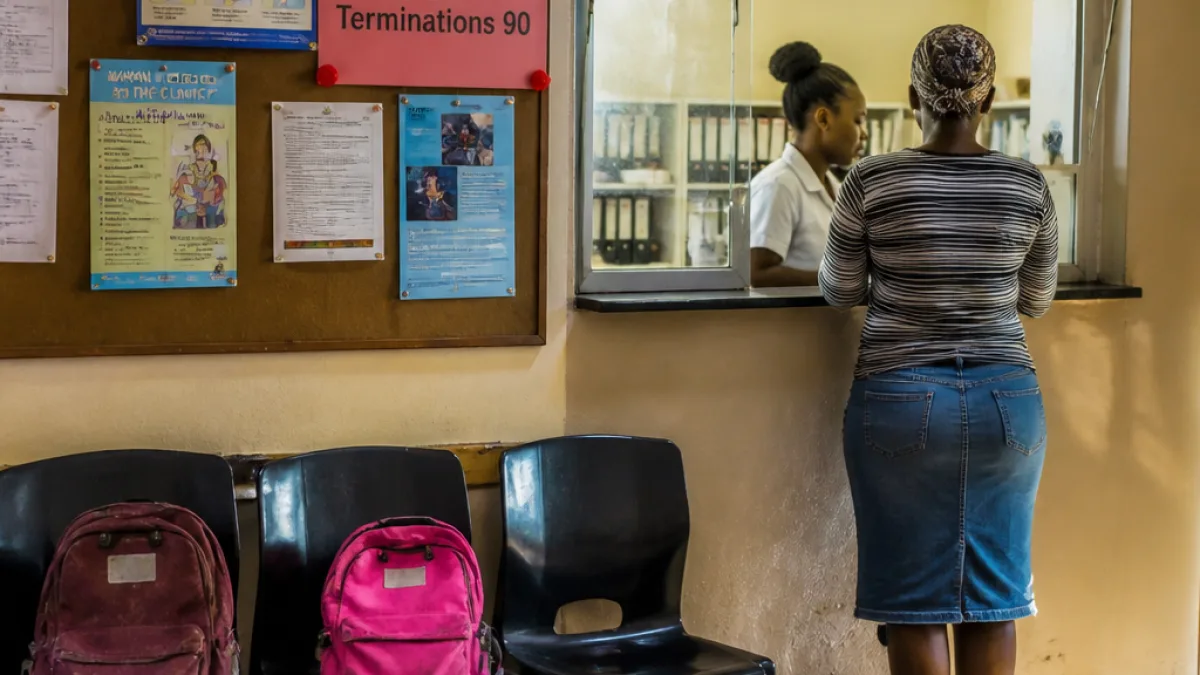
The Economic Freedom Fighters (EFF) in the North West have said the province is failing to protect its girl children after an analysis of public health facility data showed that during the financial year ending in 2025 100 girls aged 10 to 14 gave birth and 90 girls in the same age group terminated pregnancies in public health facilities.
The EFF provincial spokesperson, Fanon Moema, tied the figures to an erosion of the legacy of Dr Ruth Segomotsi Mompati — a North West-born anti-apartheid activist and former mayor of Naledi Local Municipality — saying renaming a district in her honour in 2007 is an inadequate response if children remain unsafe.
“The most honest way to honour Mama Ruth Mompati is not through ceremonial speeches and Women’s Day rallies. It is to ask whether the girl children who walk the streets, attend the schools and use the clinics of the North West are safe,”
Moema said the province’s public health data painted a disturbing picture and warned that the numbers did not include children who were raped but did not fall pregnant or cases that were never reported to authorities.
He also criticised social and familial attitudes that he said normalise violence against girl children. The EFF highlighted that rape is listed in Schedule 6 alongside the most serious forms of murder but argued that enforcement and community responses remain inadequate.
Numbers and context
The figures cited by the EFF relate specifically to births and terminations recorded at public health facilities during the financial year ending 2025. They indicate both the scale of pregnancies among very young girls and the utilisation of health services for pregnancy termination.
| Indicator | Girls aged 10–14 (year ending 2025) |
|---|---|
| Births recorded at public facilities | 100 |
| Pregnancy terminations recorded at public facilities | 90 |
Implications for communities and services
Child births at such young ages carry long-term implications for the health, education and social prospects of those affected. Early pregnancy often results in interrupted schooling and increased health risks for both mother and child.
The EFF has used the figures to call for action from government, civil society and communities. Their statement emphasises that statistical counts mask individual trauma — a point the party made clear when it said each number is a child whose “education was disrupted and whose childhood can never be returned.”
- Service pressures: maternal and paediatric healthcare resources may be strained where adolescent pregnancies are concentrated.
- Protection gaps: under-reporting of sexual offences and social tolerance of abuse can hide the true scale of the problem.
- Education impact: pregnancies among learners frequently lead to dropout, reducing future opportunities for the girls involved.
Political framing and local resonance
The EFF framed its intervention in historical terms by invoking Dr Ruth Segomotsi Mompati, born in Ganyesa near Vryburg, and criticised symbolic gestures that do not translate into improved child safety. The party argued that honouring her memory requires practical steps to protect girls across the province.
Local leaders, education and health officials, and community organisations were not quoted in the EFF release. The data invoked by the party refers to public health facility records; it is not clear from the statement whether the figures are aggregated by district or concentrated in particular municipalities such as Naledi.
What the figures do not show
Moema cautioned that the numbers are likely an undercount of the wider problem because they exclude pregnancies that did not result in births or terminations at public facilities and incidents of sexual violence that were never reported. The EFF also noted that terminations and births recorded at private facilities would not be captured in the figures cited.
Next steps urged
The EFF is urging the provincial government, health and education departments, and child protection agencies to respond with concrete measures to prevent early pregnancies and to support affected girls. The party asked whether North West can genuinely claim to honour its activist heritage while child safety indicators remain so troubling.
Community-based prevention, improved reporting and accessible adolescent health services are among the commonly recommended responses to this kind of crisis; the EFF’s statement stresses the need for accountability and action rather than symbolism.
This report draws from the EFF provincial statement and cited public health facility figures for the year ending 2025.















