The Nzhelele Dam Nature Reserve — a component of the internationally recognised Vhembe Biosphere Reserve — has been allowed to deteriorate through what the Democratic Alliance (DA) in Limpopo describes as years of neglect, the party said at a recent sitting of the Limpopo Legislature.
DA raises alarm in provincial legislature
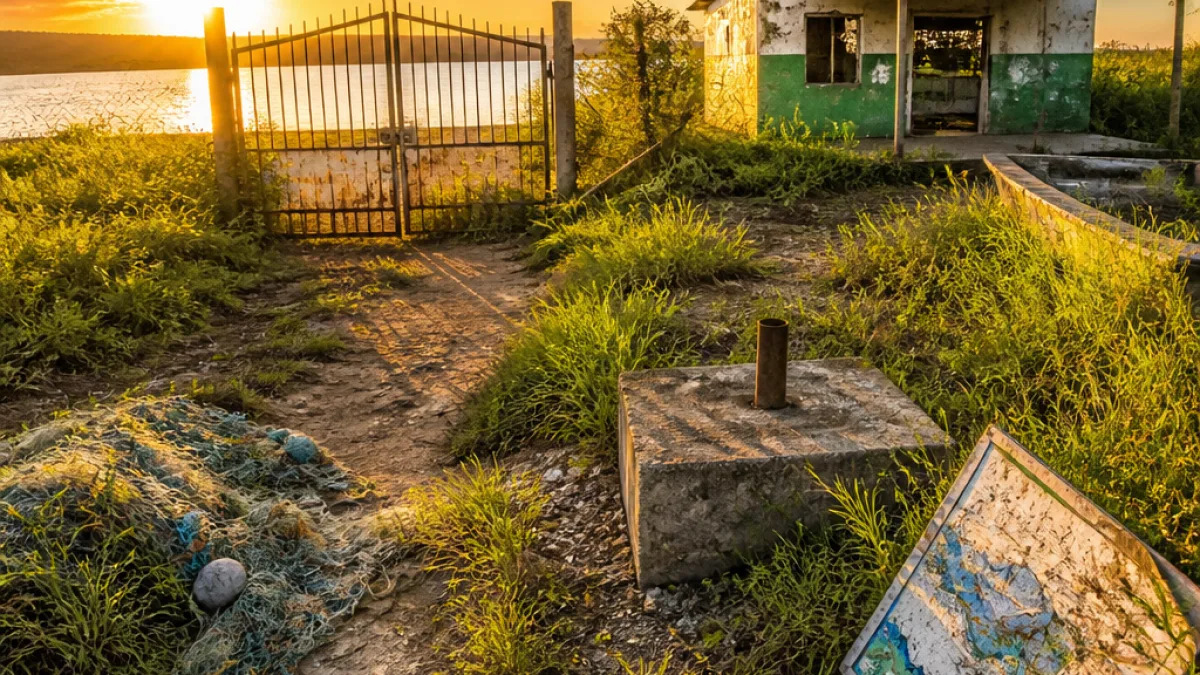
The DA told the provincial legislature that the reserve, which should safeguard biodiversity, protect a vital water resource and support local tourism, is instead suffering from poaching, illegal netting, failing infrastructure and a critical shortage of staff and equipment, according to the party’s statement reported to the house.
Party representatives warned that, unless urgent action is taken, the reserve could be lost. The provincial executive assured the legislature that the Limpopo Department of Economic Development, Environment and Tourism (LEDET) will work with the national Department of Water and Sanitation (DWS) to address the problems. The DA said it will closely monitor whether those commitments lead to concrete action.
Conditions on the ground
According to the DA’s account to the legislature, the reserve is being undermined by multiple operational and security failures:
- Poaching and illegal netting have devastated wildlife and reduced fish stocks.
- Critical infrastructure has failed or been stolen, including the theft of the reserve’s borehole pump — leaving staff without a reliable water supply.
- Rangers lack a patrol boat, forcing them to drive more than 13 kilometres to reach certain parts of the reserve.
- Only three field rangers are assigned to protect an area of more than 2 000 hectares, a ratio the DA says is wholly inadequate.
| Issue | Reported detail |
|---|---|
| Area under protection | More than 2 000 hectares |
| Ranger complement | 3 field rangers |
| Access to parts of reserve | More than 13 km travel to some sections; no patrol boat |
| Critical equipment | Borehole pump stolen; unreliable water supply |
Why this matters locally
The Nzhelele Dam Nature Reserve forms part of the Vhembe Biosphere, a landscape recognised by UNESCO for its biodiversity and its role in sustainable development. For communities in the Vhembe district, the reserve is a source of fresh water, a habitat for fish and wildlife, and a potential draw for tourists who support local businesses.
Decline in fish stocks affects food security and livelihoods for people who depend on subsistence and small-scale fishing. Poaching reduces wildlife numbers and undermines conservation value, while failing infrastructure and theft raise safety and operational concerns for staff charged with protecting the area.
What the DA says it will do
The DA said it will keep a watching brief on the commitments made by LEDET and DWS and will hold the responsible departments accountable should promised interventions not materialise. The party emphasised the reserve’s international significance and the need for urgent corrective measures.
Departments pledge joint action
In response to questions in the legislature, the provincial executive reportedly assured members that LEDET would coordinate with DWS to address the immediate and systemic issues affecting the reserve. The DA says it will verify whether those assurances lead to deployment of personnel, repair or replacement of stolen equipment, provision of a patrol boat and improvement of infrastructure.
Practical information for residents and visitors
Residents who are concerned about illegal activity at Nzhelele Dam are advised to report incidents to their local SAPS station and to provide information to LEDET’s regional offices. Community members with knowledge of equipment theft or poaching can also alert conservation officials so steps can be taken to protect the reserve.
Local civil society groups and tourism operators with an interest in the reserve’s rehabilitation may also consider engaging with provincial authorities to offer support or to propose partnerships that strengthen surveillance, repair infrastructure and rebuild community-based conservation programmes.
The DA’s intervention underscores a broader challenge across some of Limpopo’s protected areas: balancing limited budgets and personnel with the needs of conservation, water security and community livelihoods. The legislature will monitor the promised co-ordinated response from LEDET and DWS in the coming weeks.
City: Thohoyandou
Reporting from Polokwane.