Los Angeles — A public confrontation between two of California’s most senior law enforcement officials erupted this week as they traded sharp accusations on social media over the integrity of the state’s elections and a lawsuit challenging new nationwide mail-ballot rules.
First Assistant U.S. Attorney Bill Essayli, the top federal prosecutor in Los Angeles, accused California Attorney General Rob Bonta of trying to “preserve non-citizens’ access to mail ballots” and of seeking to “shield fraudsters and illegals from accountability” in a post on X on Wednesday. Bonta responded the next day by accusing Essayli of being motivated by political sympathy for former President Donald Trump, saying the prosecutor was more interested in “currying favor with a desperate wannabe dictator” than in upholding the law.
“more interested in currying favor with a desperate wannabe dictator”
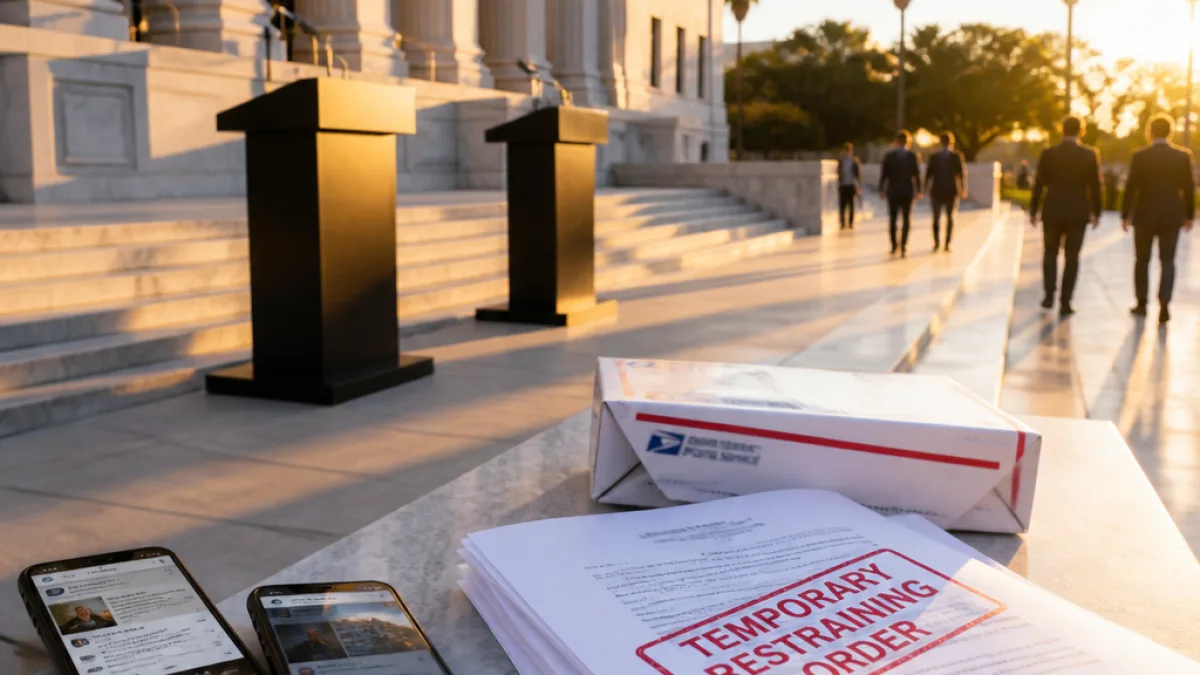
The exchanges came shortly after Bonta announced that California joined 24 other Democratic-led states in suing to block the U.S. Postal Service from rolling out new nationwide rules related to mail ballots, rules the states say were developed at the behest of Trump. Late Thursday, a federal judge granted a temporary restraining order that halts implementation of the USPS directives while the litigation moves forward; an appeal is expected.
Rare public rupture in law enforcement ranks
The row between the state attorney general and the top federal prosecutor in Los Angeles is notable for its tone and visibility. The California Department of Justice and the U.S. Attorney’s Office in Los Angeles typically work in partnership on law enforcement initiatives across the state, including multijurisdictional efforts to dismantle street gangs and international drug trafficking networks.
Sources close to past collaborations point out the two offices have coordinated on efforts to target Los Angeles street gangs trafficking guns and drugs statewide and to pursue international narcotics syndicates moving fentanyl and other drugs through L.A. Those cooperative relationships make the public exchange uncommon, officials said.
Legal and political stakes ahead of November
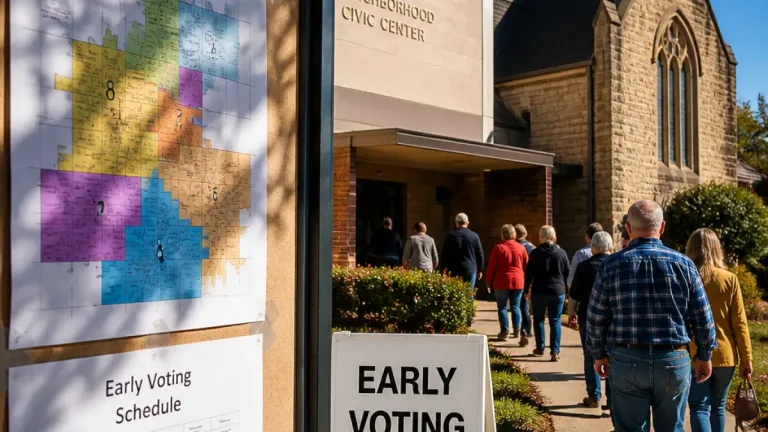
The dispute unfolds against the backdrop of the November midterms, when election integrity and access to voting have become potent political issues. The litigation over USPS rules could affect mail-ballot handling nationwide if the rules are ultimately upheld or struck down. The temporary restraining order preserves the status quo for now but ensures the matter will proceed through the courts for further scrutiny.
Legal observers note that the Justice Department sometimes finds itself on opposite sides of litigation with local or state law enforcement partners, most notably in civil-rights investigations that can result in consent decrees. The department has overseen consent decrees for police departments, including the Los Angeles Police Department, in past cases.
What the public should watch next
Key developments to monitor in the coming weeks include:
- Whether the federal government files an appeal to the temporary restraining order halting USPS rule changes.
- Any further public statements or actions from the California Department of Justice or the U.S. Attorney’s Office that affect collaborative law enforcement efforts.
- How the dispute influences public messaging and enforcement priorities ahead of the November midterms.
The dispute also raises questions about institutional norms and professional courtesy among top law enforcement leaders. Officials in both offices have long emphasized a working relationship even when their legal positions diverge; direct attacks on personal integrity between such counterparts are rare.
| Actor | Role | Recent action |
|---|---|---|
| Rob Bonta | California Attorney General | Joined 24 states in suing to block USPS mail-ballot rules |
| Bill Essayli | First Assistant U.S. Attorney, Los Angeles | Posted accusations on X about Bonta's stance on mail ballots |
| Federal judge | U.S. court | Issued temporary restraining order halting USPS rules |
Both offices face competing obligations: to enforce federal and state law, respectively, while preserving public confidence in institutions that oversee elections and criminal prosecutions. The rhetoric of this week’s exchanges underscores how politically charged those obligations have become.
For Californians, the immediate practical effect is limited: the USPS changes are on hold pending further litigation, so mail-ballot procedures in most jurisdictions remain governed by existing practice. Still, the dispute between high-ranking law enforcement officials injects a rare and public friction into partnerships that have long helped prosecute violent crime and drug trafficking across the state.
The coming days will likely produce new filings in court and further public statements as both legal and political actors position themselves before the midterms.
Kevin Nakamura is a state correspondent covering California politics and law enforcement for WE NEWS.