
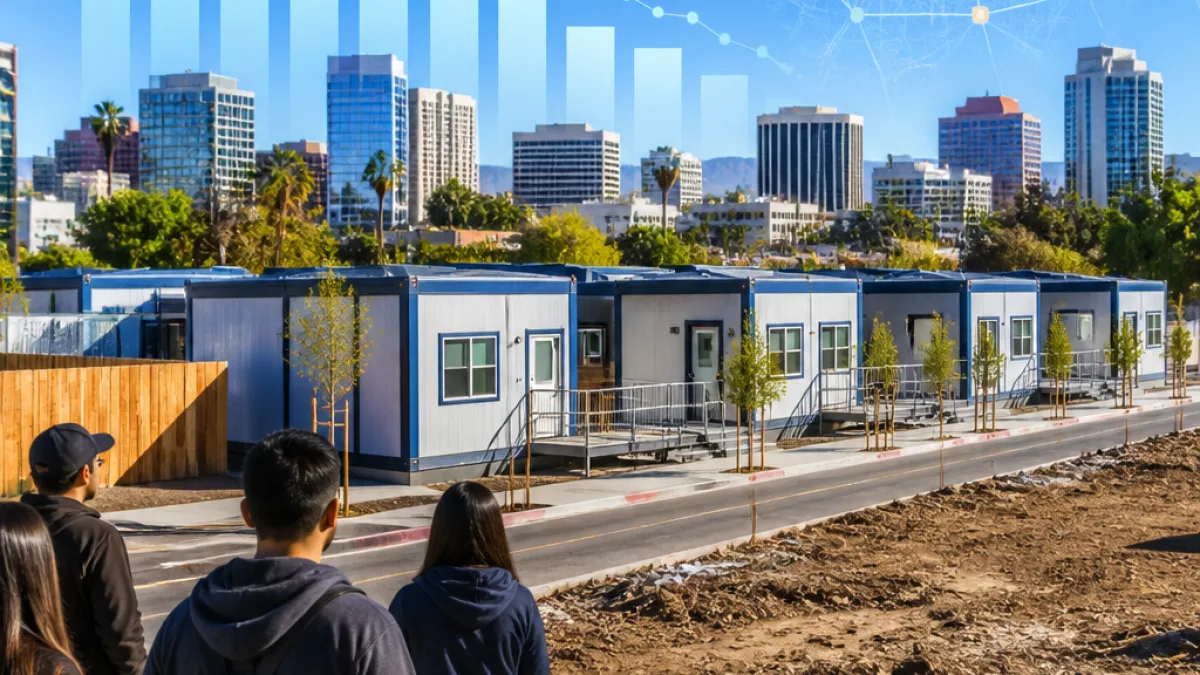
City credits data model and housing moves for drop in people living outdoors
San Jose officials announced this week that the city’s unsheltered homeless population dropped by roughly 32% over the past 18 months, linking the decline to an algorithm-driven tracking model and a series of housing and encampment-management actions. The claim, which city leaders say is backed by independent verification, has drawn both cautious optimism and skepticism from advocates and service providers.
According to the figures released by the city, an internal estimate showed about 5,400 people living unsheltered in February 2025. The city’s updated model puts the August 2026 total at about 3,700, a reduction city leaders framed as progress in their efforts to move people into temporary housing and clear encampments from public spaces.
How the city arrived at the new estimate
San Jose rolled out a new measurement tool that officials say produces more frequent estimates than the federal Point-in-Time (PIT) count, which is conducted every two years. The model is described as algorithmic and draws on multiple sources of information.
- City officials say the algorithm uses 15 different data points, including inputs from first responders, homeless outreach teams and transportation departments.
- The system is configured to produce estimates at least quarterly, rather than the biennial PIT snapshot.
- Officials said independent verification confirmed the model’s methodology and output.
"Not once every two years, like the PIT count, but at least once every quarter in near real time so that we can adjust our solutions as we go and be truly data driven to end the humanitarian crisis we see every day," the mayor said.
The city also points to concrete additions to its interim housing stock as part of the explanation for reduced street counts: officials say about 1,000 interim housing units were created, including quick-build tiny homes and converted motel rooms. San Jose leaders contend those placements, combined with encampment cleanups and designated no re-encampment zones, have driven the shift.
Advocates raise questions about methodology and outcomes
Not everyone accepts the numbers at face value. Local advocates and outreach workers said the lived experience on streets and in neighborhoods does not always match headline reductions. Concerns center on how the model translates disparate data into an overall estimate and whether it captures population movement, deaths, and people who remain disconnected from services.
One unhoused advocate told local reporters she had not observed what she would consider a one-third decline, and she noted other troubling trends. Advocates pointed to an ongoing rise in deaths among people experiencing homelessness, saying mortality has not decreased even as the city reports fewer people living outdoors.
The advocate noted the city is on pace to equal last year’s total of about 160 deaths, according to reporting — a figure that raises questions about whether reduced visibility equates to improved outcomes for people experiencing homelessness.
Officials emphasize responsiveness; critics seek more transparency
City leaders say the more frequent data will enable quicker adjustments to outreach, shelter capacity and housing placements. They argue the approach corrects for undercounts in the PIT method and provides a near-real-time tool for managing the crisis.
But critics say independent verification of the model’s overall conclusions does not eliminate the need for public transparency around its inputs and the weight assigned to each data point. Some service providers also want clearer reporting on where people housed in interim units move next and whether placements become permanent.
| Measure | Number |
|---|---|
| San Jose internal count (Feb. 2025) | ~5,400 |
| Federal PIT count (Jan. 2025) | 3,959 |
| San Jose model estimate (Aug. 2026) | ~3,700 |
| Interim housing units created | 1,000 |
City officials say the new tracking tool will not replace federal counts but will supplement them to guide local policy. For residents, the shift may be most visible where encampments were prominent: downtown corridors, transit hubs and parks have shown fewer visible camps in recent months, according to some neighborhood reports.
As debate continues, the central questions for San Jose remain practical: whether the reductions reflect sustained exits from homelessness into stable housing, whether interim placements can become long-term homes, and whether mortality and unmet service needs are being adequately addressed. Advocates and city staff said they expect the new data cadence to shape those conversations in the months ahead.
















