Omaha parents, students and education leaders pressed district officials Monday night over the use of electric shock gloves in local schools, arguing the devices raise safety and equity concerns and that decisions about law enforcement tools in schools should include meaningful community input.
Community members demand clearer conversations about safety tools
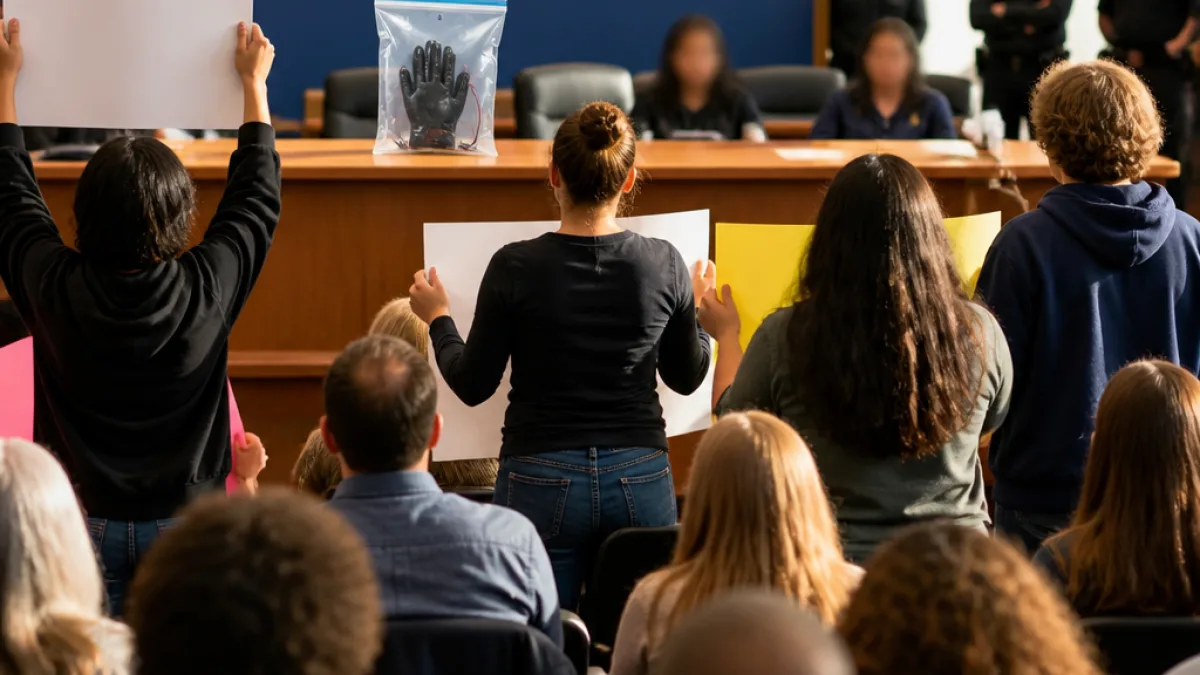
About 30 parents, students and community members spoke at the Omaha Public Schools board meeting, voicing concerns about how and when the gloves might be used and asking for alternative investments in mental health and preventive supports.
“Our schools need safety solutions that prevent crisis, not simply more tools to respond after a crisis has already occurred,” said Kathy Poehling, president of the Omaha Education Association.
Poehling urged collaboration between the city, law enforcement and education leaders to prioritize mental health resources, including expanded access to counselors, social workers and trauma-informed training for teachers.
- Several students from Central High School told the board they feared the gloves would undermine trust between students and school resource officers.
- Speakers raised concerns about how the devices might affect students with disabilities or underlying health conditions.
- Advocates called for transparent policies and community engagement before law enforcement equipment is deployed in schools.
Students described personal and family concerns. Nora Wessel, a senior at Central representing NEw Voices, said she could not imagine a peer being shocked and that such devices could create barriers between students and adults they are supposed to trust.
“These are adults we are supposed to be able to trust, but these weapons create a barrier for students to turn to resource officers when needed,” Wessel said.
Another student, Lux Tipton, a junior at Central, recounted her worries about how the gloves could affect students with autism or undiagnosed cardiac conditions.
“What happens if a school resource officer is called to the situation, does not know how to handle this situation or simply sees it as dangerous?” Tipton asked. “Yes, my brother has an IEP like other students, but what if he has some undiagnosed cardiac conditions, and these gloves are used on him or other students? That can not only make those cardiac issues worse, but that… ”
The community concerns follow a wider national debate after federal Immigration and Customs Enforcement announced plans for agents to receive similar devices. In Omaha, the controversy intensified after the city council approved the purchase of gloves in June of 2025.
| Item | Detail |
|---|---|
| Number of gloves approved | 40 |
| Approximate cost | $66,000 |
| Approval date | June 3, 2025 |
Calls for policy, training and transparency
Speakers at the board meeting urged that potential use of the gloves be framed within clear policies, strict training standards and community oversight. They asked the school board to seek assurances from city officials and law enforcement about when and by whom the devices would be deployed in school settings.
Poehling highlighted the need for preventative approaches: expanded mental health services, more counselors and social workers, and trauma-informed training for educators, rather than additional tools intended to respond after a crisis has begun.
Board members heard several personal accounts and questions but the public session did not produce immediate changes to policy. The issue could prompt follow-up meetings or requests for formal policies governing the presence and use of law-enforcement equipment in Omaha Public Schools.
For families and staff, the debate signals a deeper conversation about how schools balance safety measures with students’ physical and psychological well-being. Community members said they want to ensure that any safety decisions are made transparently and with input from those who will be most affected.