New Orleans will pay public tribute next month to Jerome “Big Duck” Smith, a local civil rights leader whose activism spanned picket lines, sit-ins and Freedom Rides during the movement of the 1950s and 1960s. Smith, who died at 87 after a battle with cancer at his Mid-City home, will be remembered across two days of services both inside and outside the civic sphere.
Visitation and celebration dates, times and locations
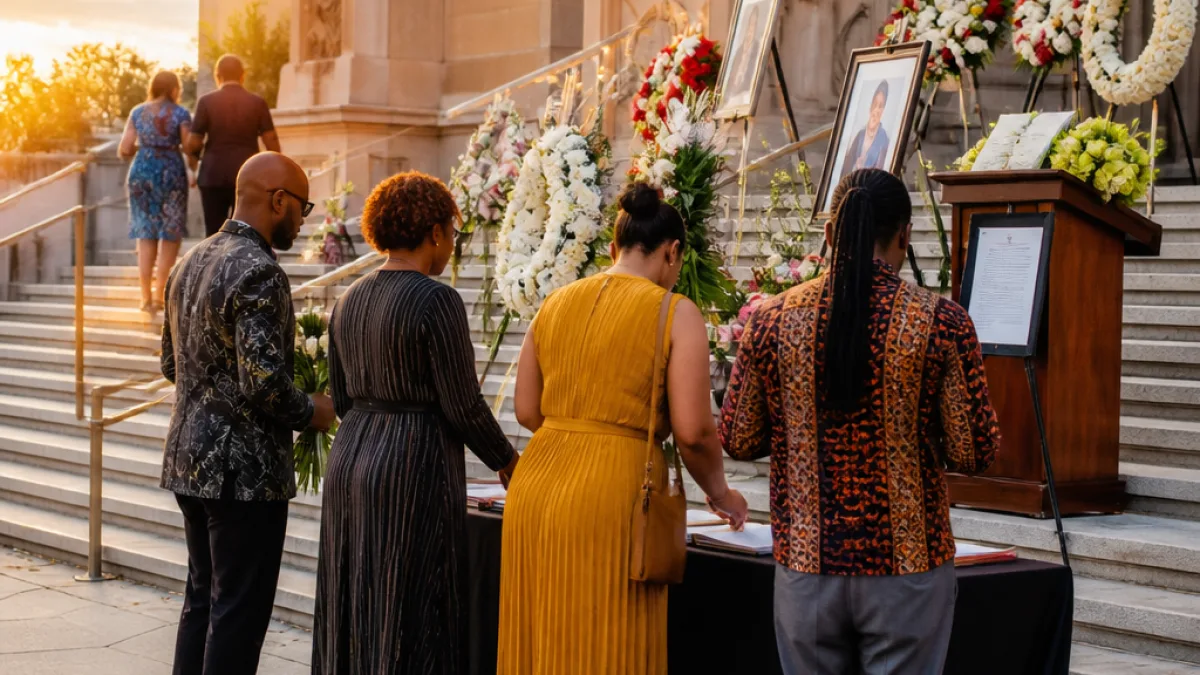
Family members and friends are invited to two public events in September that outline the city’s formal farewell to a figure many civic leaders described as tireless in his pursuit of racial equality and community service.
- Friday, Sept. 11 — Visitation at Gallier Hall, 545 St. Charles Ave., from 4 p.m. to 8 p.m.
- Saturday, Sept. 12 — Celebration of life at Mahalia Jackson Theater for the Performing Arts, 1419 Basin St.. Visitation begins at 8 a.m., followed by the service at 10 a.m.
| Event | Location | Time |
|---|---|---|
| Visitation | Gallier Hall | Sept. 11, 4–8 p.m. |
| Celebration of life | Mahalia Jackson Theater | Sept. 12, visitation 8 a.m.; service 10 a.m. |
Legacy and local reaction
Smith’s death prompted responses from elected officials and community leaders across New Orleans. He was widely remembered as a public servant who combined direct-action activism during the Civil Rights Movement with long-term engagement in neighborhood and city affairs. His work included participation in demonstrations and Courageous acts that tested segregation-era norms and helped broaden opportunities for Black residents of New Orleans.
"Duck didn’t have much patience for excuses. If our children needed something, he was going to fight until somebody listened,"
The remark above was made by U.S. Rep. Troy Carter, who also called Smith “a freedom fighter, a mentor and a servant of this community who loved his people deeply.” Those words, offered publicly after Smith’s death, underscore how local leaders frame his role not only in historic civil rights actions but in continuing civic advocacy.
What residents should know
Both events are open to relatives and friends of the family, according to the schedule released for the memorial. Gallier Hall and the Mahalia Jackson Theater are established civic venues in New Orleans, with Gallier Hall serving historically as a municipal focal point and the Mahalia Jackson Theater recognized as a major performing-arts venue in the city.
These services provide an opportunity for the community to reflect on Smith’s decades-long contributions. For many New Orleanians, the memorials will reconnect contemporary civic debates to the campaigns of the mid-20th century that shaped voting rights, public accommodations and educational access.
Continuing the conversation
As the city gathers, local organizations and residents may use the events to highlight ongoing challenges in equity and public services that Smith advocated about during his lifetime. Public memorials at central civic sites also allow for broad participation — from former colleagues and fellow activists to younger residents who did not live through the movement but continue to contend with its legacy.
Details provided by the family indicate the visitation and celebration dates; further logistical information, such as parking or security arrangements, typically follows from venue operators and the family’s coordinators. City residents planning to attend should consult official venue communications as the dates approach.
The two-day observance frames a final chapter in the public life of a man who, across decades, sought to move New Orleans toward greater justice and opportunity for all its residents.