WILMINGTON, N.C. — One year after Wilmington launched its Vision Zero initiative, city officials say they are laying the groundwork for a long-term effort to prevent traffic deaths and serious injuries on local roads. The program’s target is ambitious: reach zero fatalities and serious injuries by 2036.
The work so far has focused on collecting information, adjusting intersections and adding features intended to give people walking more time and visibility. Andy Thompson, the program manager, said data has been gathered at 85 locations across the city, including 14 intersections. Officials say that information will help shape future decisions as the city continues developing its safety action plan.
Changes already in place
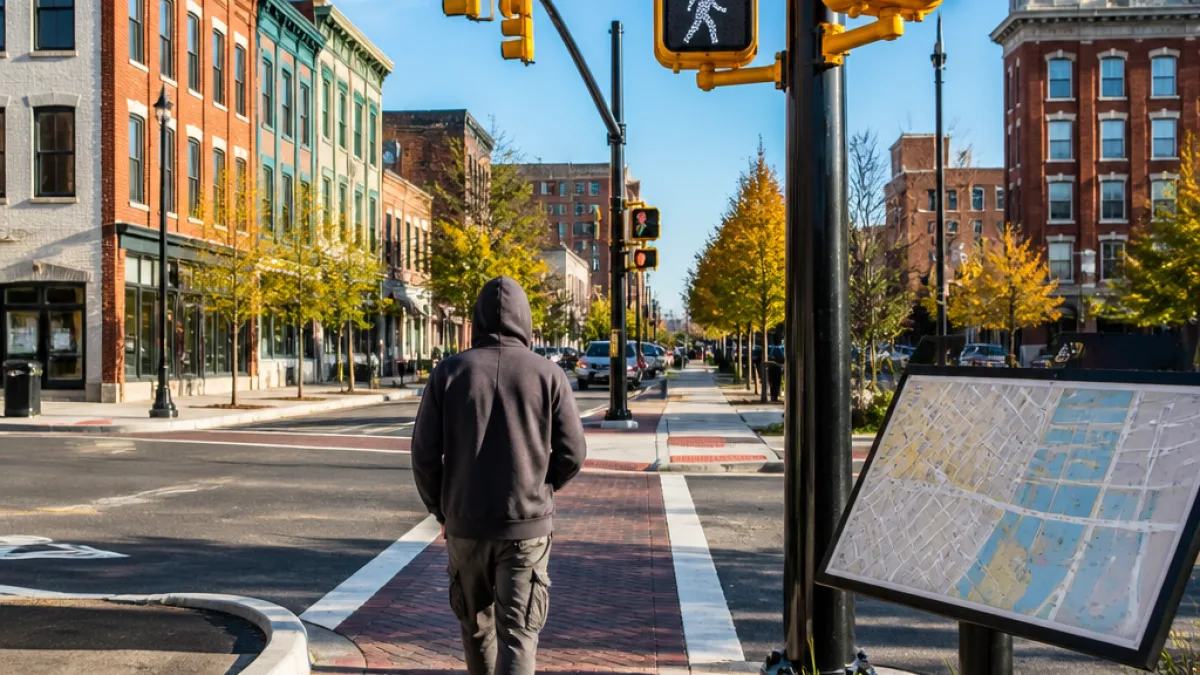
Among the measures installed or added are speed bumps, curb extensions and changes to pedestrian signals. The signal adjustments are known as leading pedestrian intervals, or LPIs. Under the system, the pedestrian signal changes several seconds before the vehicle signal, allowing people to begin crossing before cars receive a green light.
“The most important implementation we’ve done recently is leading pedestrian intervals at crosswalks.”
Thompson said the interval generally gives pedestrians a three- to seven-second lead. That advance can help people establish themselves in the crosswalk and become more visible to drivers before vehicles begin moving through the intersection. The approach is part of a broader effort to account for mistakes by people using the transportation system, rather than relying only on perfect behavior from drivers and pedestrians.
| Vision Zero element | Current status |
|---|---|
| Long-term target | Eliminate traffic deaths and serious injuries by 2036 |
| Data collection | 85 locations and 14 intersections |
| Signal change | Pedestrian crossing begins 3 to 7 seconds before vehicle movement |
| Completed safety features | Speed bumps, curb extensions and pedestrian-signal adjustments |
Higher-speed roads remain a focus
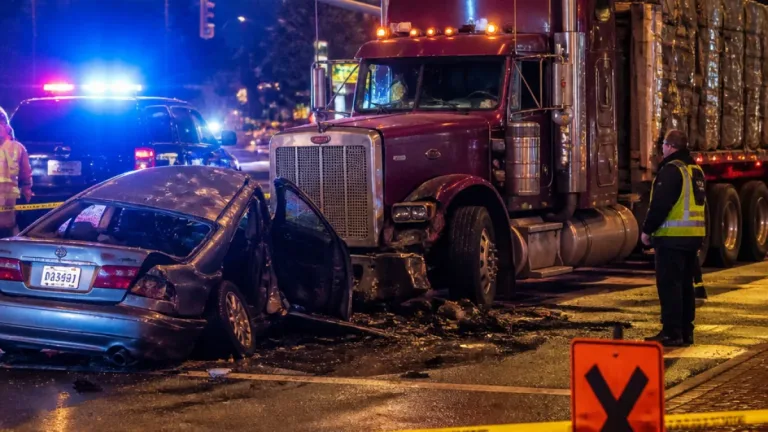
Although crashes can occur anywhere, Thompson said collisions are more likely to result in serious harm on roads with higher speed limits. He identified Market Street, College Road, Oleander Drive and Carolina Beach Road as places where the city generally sees the most incidents. He said Wilmington is not yet formally prioritizing specific areas because the safety action plan remains under development, but those corridors are among the locations officials want to examine.
The city’s approach is expected to rely increasingly on mapping and analysis. Thompson said officials are developing a dashboard and map layers that will show where fatalities and serious injuries have occurred, along with other risk factors. The goal is to use that information to identify additional projects and determine where future changes may have the greatest safety benefit.
- Map locations of traffic fatalities and serious injuries.
- Identify roadway and intersection risk factors.
- Use additional data to guide future safety projects.
- Improve conditions for people using every road in the city.
For Wilmington residents, the initiative’s effects are visible in the details of everyday travel: a pedestrian signal that changes earlier, a curb that shortens a crossing or a speed bump that encourages slower driving. Those projects do not yet provide enough information to measure whether the city’s overall traffic-safety performance has improved, Thompson said. It is still too early to assess the results.
Still, city officials say the direction is clear. Vision Zero is based on the idea that traffic deaths are preventable and that responsibility is shared among everyone using the streets. As Wilmington continues collecting data and shaping its action plan, the city’s progress will depend on identifying dangerous conditions, selecting appropriate treatments and evaluating whether those changes reduce the severity of crashes over time.