
Missouri has emerged as one of the hardest-hit states in a nationwide outbreak of cyclosporiasis tied to shredded iceberg lettuce from Taylor Farms, state health officials said this week.
Case counts surge in Missouri
As of Sunday, the Missouri Department of Health and Senior Services reported 1,095 cases in the state — nearly double the number reported a week earlier — and placed Missouri at No. 3 nationally for illnesses linked to the outbreak, behind Michigan and Ohio. Local health departments have seen sharp increases: Boone County had recorded 97 cases by Thursday, according to Austin Krohn, spokesperson for the Columbia/Boone County Public Health and Human Services Department.
The Food and Drug Administration and Centers for Disease Control and Prevention determined that 568 of Missouri’s cases are directly linked to lettuce from Taylor Farms, which investigators say was likely contaminated by water in fields in Mexico. The contaminated product was distributed widely to restaurants and retailers in 29 states.
Local hospitals and clinical picture
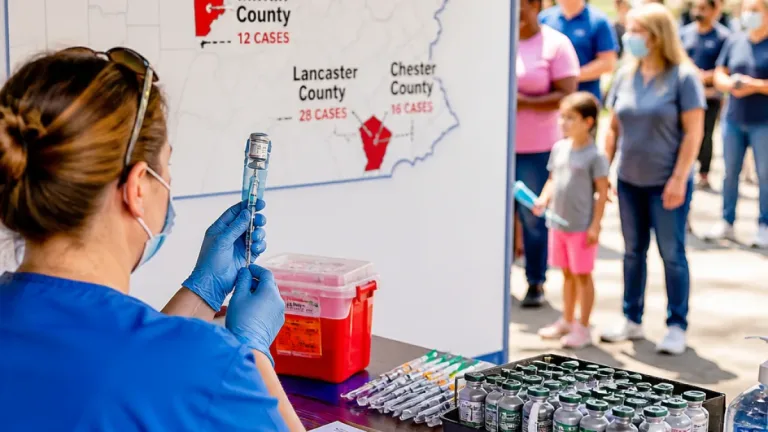
At the University of Missouri health system, infectious disease specialists reported 96 cases across the UM Hospital System as of Thursday, with one hospitalization, said Taylor Nelson, an infectious disease specialist with MU Health Care. Nelson said most patients have been managed on an outpatient basis.
Where the lettuce went and industry response
Investigators say the shredded lettuce was distributed to Taco Bell outlets, Walmart stores and various food-service locations. Taco Bell has said it removed the affected lettuce from its supply chain and restaurants nationwide. The FDA warned that even after a recall, officials expect case counts to continue to climb because of the lag time between when someone becomes ill and when public health authorities can determine whether that illness is part of the outbreak.
“We can expect to continue to see the number of confirmed cases rise, despite the recall, due to the fact that it can take as long as six weeks for CDC and state officials to determine if a sick person is part of this outbreak,” the FDA reported this week on its website.
National scope and unresolved testing
Nationwide, health agencies report that 6,358 cases are directly tied to the outbreak; an additional 10,468 may not be connected. More than 12,000 cases remain awaiting laboratory testing or require further investigation, according to the latest federal tallies.
| Measure | Number |
|---|---|
| Missouri cases (state report) | 1,095 |
| Boone County cases | 97 |
| Missouri cases linked to Taylor Farms lettuce | 568 |
| Cases nationally tied to outbreak | 6,358 |
| Cases awaiting testing/investigation nationwide | 12,000+ |
What residents should know
Health officials continue to investigate and trace exposures. People who become ill with gastrointestinal symptoms consistent with cyclosporiasis — including watery diarrhea, stomach cramps, nausea, fatigue and occasional low-grade fever — should seek medical attention and inform clinicians about any recent consumption of salads, salad mixes or restaurant meals. Testing for Cyclospora requires specific laboratory methods; health departments and clinicians coordinate to confirm whether an illness is part of the outbreak.
- Avoid eating recalled shredded iceberg lettuce products and check labels where possible.
- If you become ill, contact your healthcare provider and mention possible exposure to salad or restaurant foods; testing is necessary to confirm Cyclospora.
- Follow public health guidance and recall notices posted by the FDA and state health departments.
Federal investigators have pointed to contaminated field water in Mexico as the likely source of the infection in the Taylor Farms product. Missouri residents who consumed salads or menu items containing shredded iceberg lettuce from retailers or restaurants in the affected distribution network should remain vigilant for symptoms and consult their health provider if they feel ill.
State and local health departments continue to update counts and investigate new reports. Because of the time needed for testing and case confirmation, officials say case totals may increase in the weeks ahead.
Reporting from Columbia and Jefferson City; additional details from federal agency updates and MU Health Care statements.