
Minnesota’s landscape has repeatedly been reshaped from private or industrial use into places the public can visit for recreation and wildlife habitat. But acquiring and converting those parcels is neither automatic nor simple. The state’s Department of Natural Resources evaluates thousands of potential additions every year and must say no far more often than yes.
The scale of state land acquisition
The Minnesota Department of Natural Resources (DNR) acquires roughly 9,000 acres a year, contributing to a statewide portfolio that already exceeds 12 million acres of public land. That steady pace belies the often lengthy and contested process behind each purchase or transfer.
| Metric | Figure |
|---|---|
| Annual acres DNR acquires | 9,000 |
| Total public land in Minnesota | 12 million+ |
| Recent public opening: Mantrap Lake WMA | 449 acres |
From mine pits to mountain bike trails
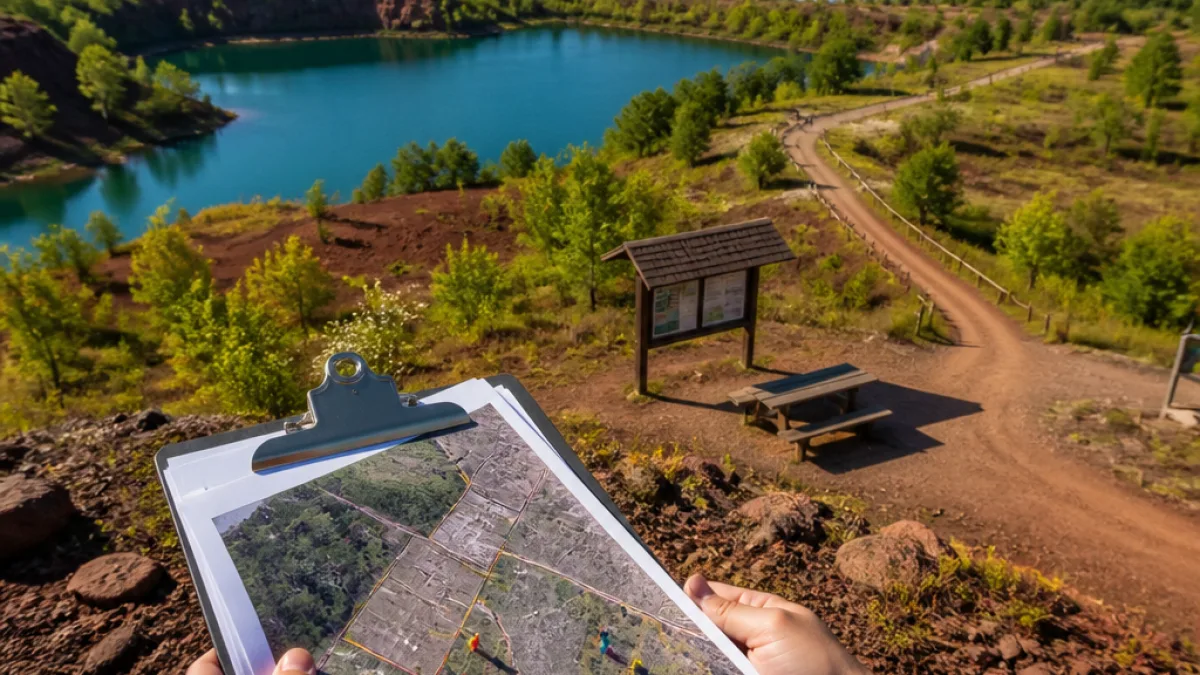
Examples across the state illustrate how dramatic change can be. The Cuyuna region, once scarred by iron mining that largely ended in 1984, now draws mountain bikers to miles of red-dirt trails and scuba divers to deep, clear lakes. In Chisholm, the Redhead Mountain Bike Park opened in 2020 on land that had been an inactive mine complex, opening about 25 miles of trail after nearly a decade of planning.
More recently, a 449-acre tract that had been part of a private corporate retreat owned by 3M became the Mantrap Lake Wildlife Management Area and opened to the public, offering new shoreline access and forested hiking opportunities in Hubbard County. These conversions demonstrate how former private or industrial properties can be remade for conservation and outdoor recreation.
How decisions are made
The DNR’s land acquisition process is selective. Jeff Tillma, a land acquisition coordinator for the DNR's Fish and Wildlife Division, framed the work bluntly:
“Unfortunately, this is really one of the worst parts about my job, is [that] I’m the person who says no a lot. We have to be very selective in the parcels that we buy, and we actually say no far more often than we say yes.”
Tillma’s comment highlights the competing pressures the agency faces: limited budgets, diverse conservation and recreation priorities, legal constraints, and the practicalities of managing newly acquired land. Every potential acquisition is weighed not just for its immediate value but for long-term maintenance costs, ecological significance and public benefit.
Factors shaping what becomes public
- Fiscal capacity: The DNR must balance purchase costs and ongoing stewardship expenses against available funding.
- Conservation value: Habitat quality, connectivity and species protection weigh heavily in decisions.
- Recreational potential: Areas that expand public access — for hiking, boating, biking or hunting — tend to be strong candidates.
- Local and political support: Community backing and partnership opportunities can influence success.
Local impacts and long lead times
When land does move into public hands, the consequences can be substantial. Regions that reposition former industrial sites as recreational destinations often see new economic activity from visitors, along with ecological recovery. But the conversion timeline can span years or decades: planning, environmental assessment, funding and development must all align.
Citizens curious about whether a specific parcel might become public should know the process is deliberate and constrained. While the state averages thousands of acres in acquisitions annually, that total spreads across many projects and priorities statewide. Not every attractive or available parcel will meet the DNR’s criteria or fit into its budgetary window.
What comes next
The recent openings in Cuyuna and at Mantrap Lake are reminders that reclamation and public access can succeed, but they also underscore the difficult choices behind every acquisition. For communities and advocates seeking new public land, the path typically involves sustained engagement with the DNR, coalition-building to secure funding and time for the long process of restoration and public development.
As Minnesota continues to reassess and reuse land left by industry or private owners, the state’s decisions will shape outdoor opportunities and conservation outcomes for years to come.


















