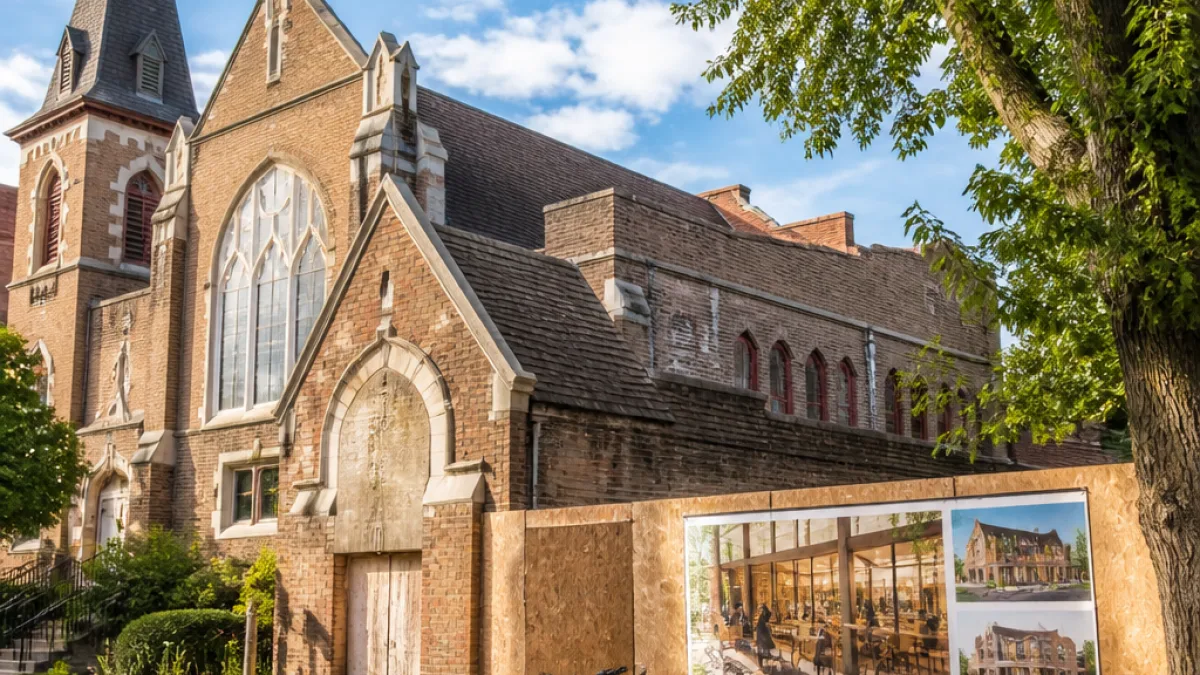
Mount Olivet Lutheran Church in southwest Minneapolis is proposing to replace an aging, largely unused chapel with a nonprofit coffeehouse and taproom as part of a broader effort to address social isolation and draw neighbors into a community space beyond traditional Sunday services. Church leaders say the idea evolved after extensive water damage rendered the Lynnhurst chapel impractical to repair.
From chapel to community space
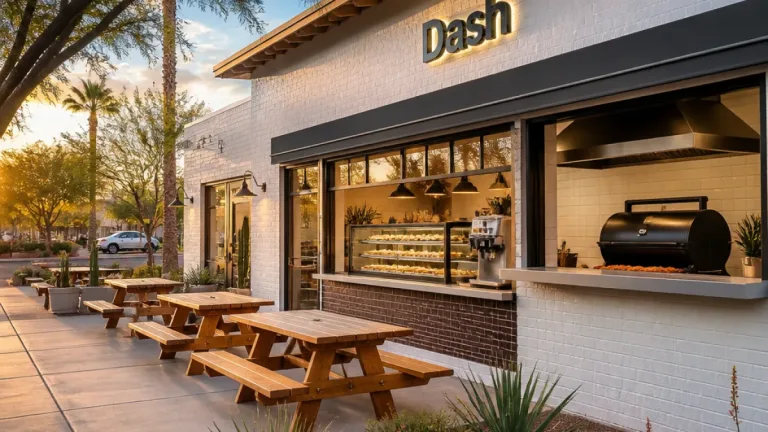
The congregation originally considered establishing a brewery but scaled back the proposal in response to anticipated costs and neighborhood concerns. Church officials now envision a nonprofit, mixed-use gathering spot that would include a coffee menu and a taproom offering low-key beverage service — a model meant to attract people who do not regularly attend worship while also supporting pastoral and community organizing work.
"Trade the pews for brews and swap the church bulletin for a coffee menu."
The proposal follows a pattern seen elsewhere in Minnesota and nationally, where faith communities are rethinking how physical space can be used to address loneliness and declining in-person worship attendance. Programs such as “Pub Theology,” “Theology on Tap” and “Beer and Hymns” have already shifted some faith-based conversation into commercial hospitality venues. Mount Olivet’s plan reflects a more permanent, institution-led adaptation.
Why the change matters to neighbors
Church leaders frame the plan as a response to the social isolation that intensified during the pandemic and has persisted for many residents. The coffeehouse and taproom would aim to be a welcoming place for neighbors to meet, work, organize and access support services. The concept also ties into recent local civic activity: organizers who connected through faith communities during the immigration enforcement response known as Operation Metro Surge later remained engaged with their congregations, demonstrating how churches can be civic anchors.
Mount Olivet’s move raises several practical and neighborhood questions: how the space will be managed, what hours and programming will look like, whether alcohol service will affect nearby residents, and how the nonprofit will sustain operations. Church leaders have said they shifted away from a brewery idea because of cost and neighborhood concerns, but details about the proposed nonprofit model, timeline and fundraising remain to be clarified publicly.
Potential benefits and points of contention
- Benefits: new public gathering space, potential reduction in social isolation, expanded community programming and outreach.
- Concerns: alcohol service near residences, parking and traffic, long-term financial sustainability and how the space will be governed.
- Context: decline in regular in-person worship has pushed many congregations to seek alternative uses for underused buildings.
| Element | Current | Proposed |
|---|---|---|
| Building | Lynnhurst chapel (aging, water-damaged) | Torn down and replaced with nonprofit coffeehouse/taproom |
| Primary purpose | Chapel for occasional worship use | Neighborhood gathering space to combat isolation |
| Alcohol | Not applicable | Taproom component included in plan |
As the proposal proceeds, Mount Olivet will have to engage neighbors, city regulators and possibly neighborhood groups to address zoning, permitting and operational details. The shift from a spiritual-only use to a mixed, secular-social model also underscores a larger question many congregations face: how to steward physical assets in ways that serve both members and the surrounding community.
The plan signals a pragmatic response to longstanding trends. Fewer Minnesotans regularly attend organized religion in person than in past decades, and many institutions are experimenting with hospitality-driven approaches to stay relevant and connected. For southwest Minneapolis, a church-operated coffeehouse and taproom — if it moves forward — could become a new model for how religious institutions serve civic life outside of worship hours.
Church officials have made public the motivations behind the plan but have not yet released a detailed timeline, budget or governance structure for the proposed nonprofit. Neighbors and civic stakeholders will be watching how the congregation balances neighborhood interests, regulatory requirements and its own mission as the project develops.