Minnesota Secretary of State Steve Simon called conduct at several Minneapolis polling sites during the Aug. 11, 2026 primary “outrageous” after a conservative commentator and associates attempted to impersonate Minnesota voters while recording encounters with poll workers.
What happened at the polls
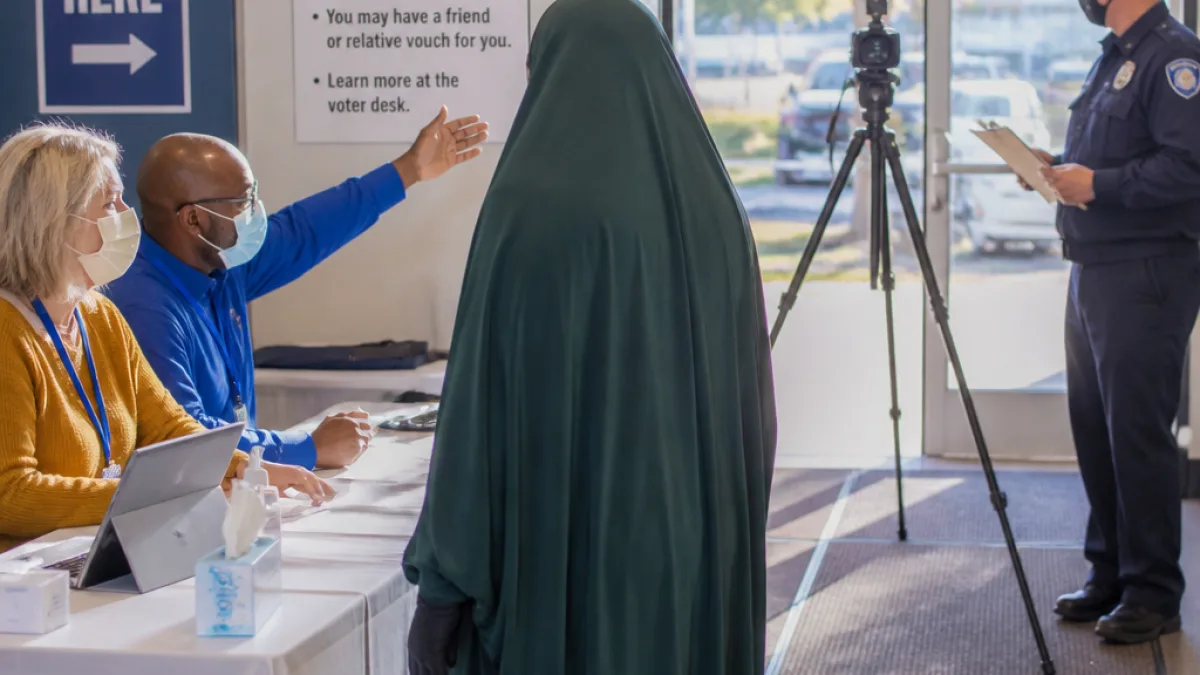
Video released by the group shows Cam Higby, identified in published reports as a member of an organization sometimes labeled the “Justice League,” entering Minneapolis polling locations wearing clothing described in the footage as a burqa and adopting an accent while asserting he represented registered Minnesota voters. In the clips, a poll worker explains vouching rules, and Higby leaves a polling place after being told he needed to sign an oath.
Simon said poll workers immediately reported the visits to election officials. His office said law enforcement is reviewing the actions captured in the video to determine whether any laws were violated.
"During Minnesota’s Primary on August 11, 2026, members of a widely discredited Florida-based political group visited several polling places in Minneapolis impersonating Minnesota voters... Their apparent goal was to cast doubt on one or more Minnesota election laws that have been in force for over fifty years. Instead, they revealed their ignorance of how those laws actually work – while putting themselves in legal jeopardy."
Vouching in Minnesota: how it works
Secretary of State officials stressed the video highlights misunderstandings about Minnesota’s long-standing vouching rules. Vouching is a process to establish a voter’s residence when they lack updated documentation and is used most often by older voters who have not updated their address.
Key aspects of the rule, as explained by the secretary of state's office, include:
- A registered voter may vouch for another person’s residence at the polling place.
- Both the voter seeking to cast a ballot and the voucher must present identification.
- The voucher must reside in the precinct where the ballot is being cast.
| Requirement | Details |
|---|---|
| Who may vouch | Registered voter living in the precinct |
| Identification | Both parties must show ID |
| Purpose | To confirm a voter's residence |
Officials respond
Simon described the group that entered Minneapolis polling places as "widely discredited" and said their recording appeared intentionally edited. He said the interactions demonstrated a lack of understanding of Minnesota election law and risked placing the participants in legal jeopardy.
Minneapolis election officials and poll workers notified the secretary of state’s office after the incidents. According to the secretary of state's statement, poll workers followed established procedures by refusing to allow individuals to sign oath affidavits without the proper identification and by documenting the encounters for election officials.
Legal and practical implications
Election experts say attempts to misrepresent eligibility at polling places can trigger criminal and civil consequences depending on whether laws were broken and whether false statements were made under oath. The secretary of state's office did not announce any charges and said law enforcement is examining the matter.
For voters and poll workers, the episode underscores two practical points: the importance of photo identification at the polls and the role poll workers play in enforcing procedures designed to protect access to the ballot while preventing fraud.
State election officials have for years emphasized that Minnesota's vouching system is narrowly tailored as a safety net for voters without current proof of residence, not a broad allowance for third-party attestations of identity.
What to watch next
Local and state authorities are reviewing the encounters captured on video to determine whether any laws were violated and whether the recordings were altered in ways that misrepresent the events. The secretary of state's office did not provide a timeline for the law-enforcement review.
In the meantime, election officials reiterated guidance to poll workers to continue following training and procedures, including checking identification and documenting any irregularities at polling locations.
The incident has renewed attention on the balance between protecting the integrity of elections and ensuring eligible Minnesotans can vote without undue barriers. As officials continue their review, they urged the public to rely on official guidance from the secretary of state's office and local election authorities for questions about voting rules.
Reporting from the secretary of state's office formed the basis of this article.