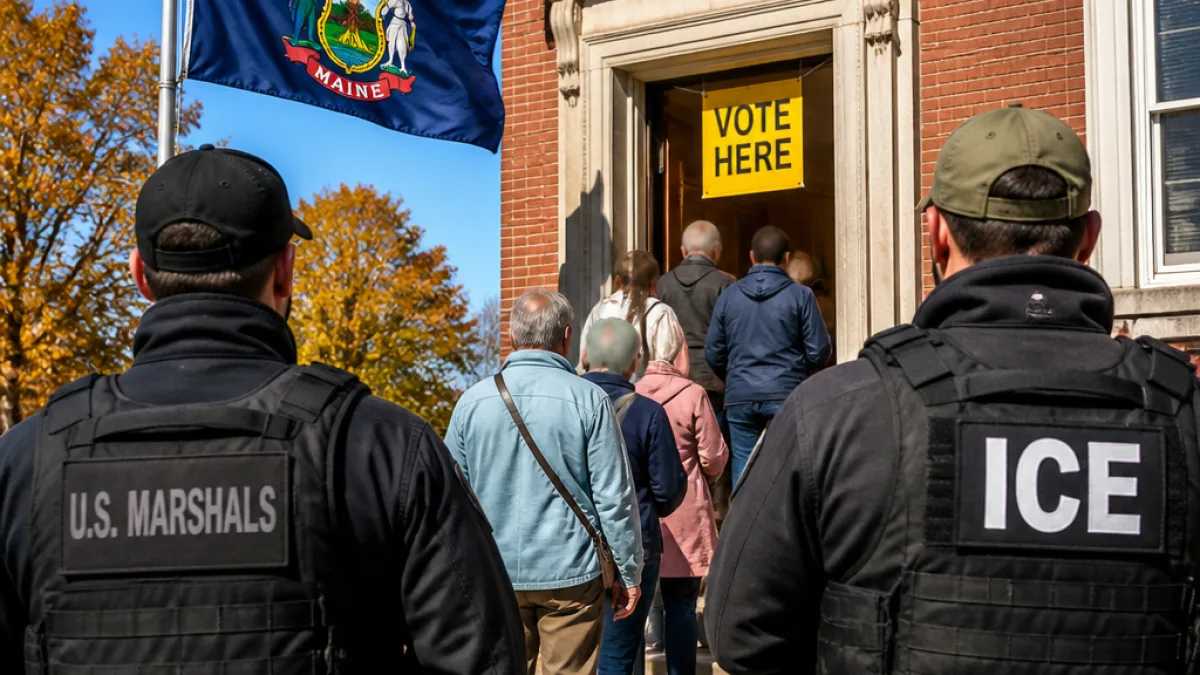
AUGUSTA, Maine — Republican nominee for governor Bobby Charles told a gathering of Maine Young Republicans that he plans to ask the federal government to deploy Immigration and Customs Enforcement (ICE) officers and U.S. Marshals to polling sites in the state ahead of the November midterm elections.
What Charles said and who he plans to ask
Audio obtained by the Bangor Daily News captures Charles saying he would appeal directly to former Trump administration border official Tom Homan to arrange the federal presence “three or four weeks before the election, maybe three.” He framed the request as part of an effort to prevent what he described as "illegal voting."
“I’m going to ask Tom, I’m going to actually — three or four weeks before the election, maybe three — I’m going to make an appeal for ICE and Marshals to be at our voting booths,”
Charles’ campaign manager, Dale Crafts Jr., reiterated that the candidate would “do everything legally possible to prevent illegal voting in Maine, to make sure that Maine elections are decided by legal Maine voters,” and said Charles would seek assistance from the Department of Justice and the Department of Homeland Security.
Legal constraints and official responses
Legal experts and election officials say federal law limits how close federal officers may be to polling locations; officers can be present outside the restricted zone but not within it. Maine Secretary of State Shenna Bellows’ office responded to inquiries by affirming that Maine’s elections are “free, safe and secure.”
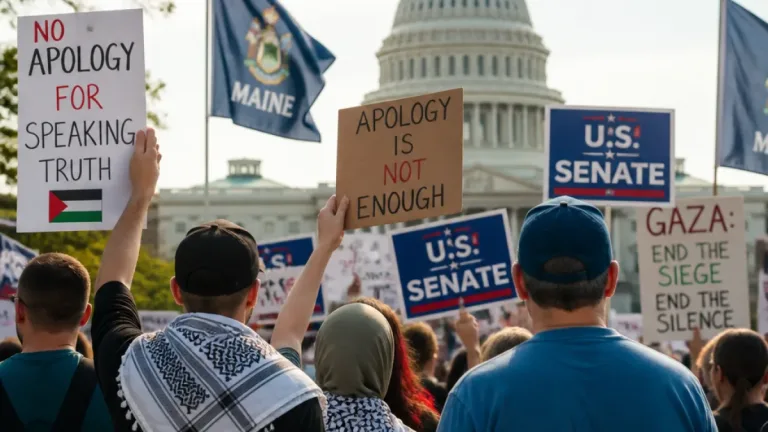
Democrats and other opponents quickly criticized Charles’ proposal. Devon Murphy-Anderson, executive director of the Maine Democratic Party, called the idea of ICE and Marshals at polling places “deeply alarming” and “likely illegal,” and argued the request constituted a form of voter intimidation.
Political context in a competitive race
Charles won the Republican gubernatorial nomination in June after defeating seven other candidates. He previously worked in the Reagan White House and at the State Department under President George W. Bush. Charles will face Democrat Hannah Pingree, a former state House speaker and daughter of U.S. Rep. Chellie Pingree, and independent Rick Bennett in the general election. The Cook Political Report currently rates the race as solidly Democratic.
Both Pingree and Bennett have reacted negatively to the request. In a local interview, Bennett described the idea as “tremendously appalling,” while Pingree said the move suggested Charles was “very cozy with President Trump” and could make voters feel uncomfortable about going to the polls, referencing recent tensions around immigration enforcement in Maine.
Local concerns and broader implications
Opponents argue the presence of immigration enforcement agents at or near polling places could discourage eligible voters from participating, particularly in communities with immigrant residents or those who have recently experienced high-profile law enforcement actions. Charles’ campaign asserted the move would be lawful and targeted at preventing noncitizen voting, which is illegal in federal and state elections.
There is no documented evidence provided by Charles that migrants are receiving payments to vote. State officials and election administrators have maintained that Maine’s election rolls and procedures protect the integrity of voting.
- Charles’ position: Seek federal assistance from ICE, U.S. Marshals, DOJ and Homeland Security to prevent illegal voting.
- Campaign response: Charles’ team says the goal is to ensure only legal Maine voters decide elections.
- Opposition: Democrats and other candidates call the proposal intimidating and potentially unlawful.
| Candidate | Party | Stance on ICE at polls |
|---|---|---|
| Bobby Charles | Republican | Requested federal officers near polling sites |
| Hannah Pingree | Democrat | Opposed; says it would make voters uncomfortable |
| Rick Bennett | Independent | Opposed; called proposal appalling |
What voters and election officials should know
State election officials continue to assert that Maine’s voting procedures are secure. Federal officers are subject to legal restrictions around polling places: while they may be present outside designated barriers, they cannot perform election functions or otherwise interfere with voters’ rights. Laws also prohibit noncitizens from voting in federal or state elections.
The controversy highlights tensions in this election cycle over immigration enforcement and voter access. The debate could shape turnout and campaign messaging in the weeks leading up to early voting and Election Day.
As the campaign advances, voters and officials will be watching whether the federal government receives and acts on any formal request from the Charles campaign and whether any presence of federal officers around Maine polling places prompts legal or administrative challenges.
Nora Whitfield is the state correspondent for WE NEWS. Reporting from Augusta.