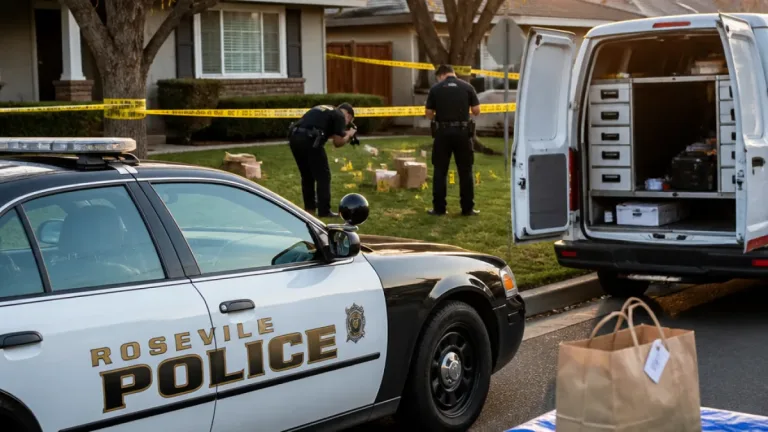
One year after federal authorities and National Guard troops were sent to Washington, D.C., as part of a high-profile crime initiative, officials say the operation has produced thousands of arrests and sizable weapons seizures while continuing to stir debate about federal involvement in the District’s policing.
The U.S. Marshals Service reported that the Make D.C. Safe and Beautiful Task Force, launched Aug. 11, 2025, has made more than 16,000 arrests in its first year of operations. Among those taken into custody were suspects in homicides, gang members and people charged with narcotics offenses, officials said.
Numbers officials emphasize
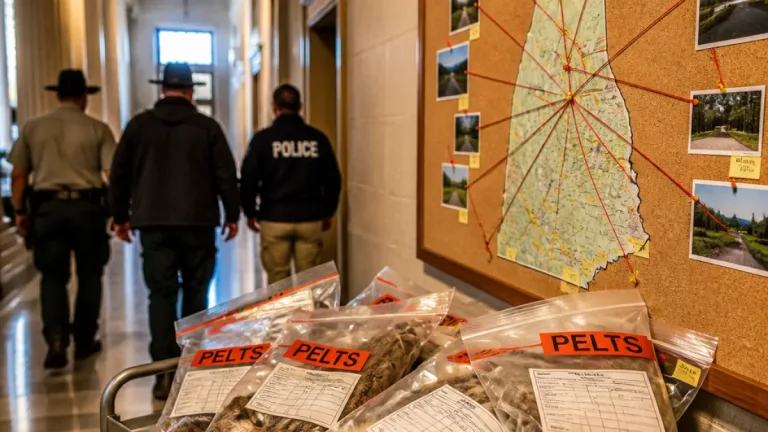
Law enforcement representatives highlighted several statistics as evidence of the task force’s impact. The arrests included at least 35 homicide suspects, more than 100 known gang members and over 3,200 narcotics-related arrests. Task force teams also reported recovering nearly 2,000 illegal firearms and locating 25 missing children who were returned to their families.
| Metric | Reported total |
|---|---|
| Arrests | 16,000+ |
| Homicide suspects arrested | 35 |
| Known gang members | 100+ |
| Narcotics arrests | 3,200+ |
| Illegal firearms seized | ~2,000 |
| Missing children located | 25 |
High-profile cases and federal hand
Officials cited specific arrests to illustrate the task force’s work. Among them were three suspects charged in the June 2025 shooting death of a 21-year-old congressional intern who was killed in northwest D.C. during a crossfire. Task force members also arrested two suspects tied to an August 2025 attempted carjacking and the beating of a former federal staffer, and in January authorities detained three alleged MS-13 members wanted on first-degree murder warrants related to a teen’s slaying in neighboring Prince George’s County, Maryland.
Attorney General Todd Blanche issued a statement after the one-year mark asserting,
“We will not relent until every community in Washington, D.C., is safe.”
The initiative consolidated federal, state and local law enforcement agencies under a coordinated effort backed by hundreds—at times thousands—of National Guard personnel. Related reporting shows about 4,600 Guard troops remained stationed in the District as the mission approached its anniversary.
Local debate and legal and political questions
While officials point to arrests and seizures, the operation has prompted criticism from some local leaders and civil liberties advocates who question the long-term consequences of federal oversight and the sustained presence of the National Guard in neighborhoods across the District. Concerns include civil rights protections, community-policing relationships and the effect on residents’ daily lives.
Mayor and D.C. Council responses have varied, reflecting broader tensions over who should direct public safety in the nation’s capital. Law enforcement officials argue the task force addresses violent crime trends quickly and brings federal resources to bear on interstate criminal activity, while some elected leaders say lasting public safety requires sustained local investment in social services, prevention and neighborhood policing strategies.
What’s next
Officials did not announce an end date for the task force’s operations at the one-year mark. As the anniversary passes, residents and local officials said they will be watching whether arrests translate into improved safety indicators in neighborhoods most affected by violence and whether the federal footprint in D.C. changes.
- Arrest totals and seizures remain the primary metrics cited by federal authorities.
- Community leaders and civil rights groups continue to press for transparency and oversight.
- Local public-safety strategy debates center on enforcement versus prevention and services.
As federal and local officials weigh the operation’s future, the task force’s first-year record will be a focal point for policymakers, community activists and residents assessing the balance between rapid enforcement actions and long-term efforts to reduce violence in the District.