
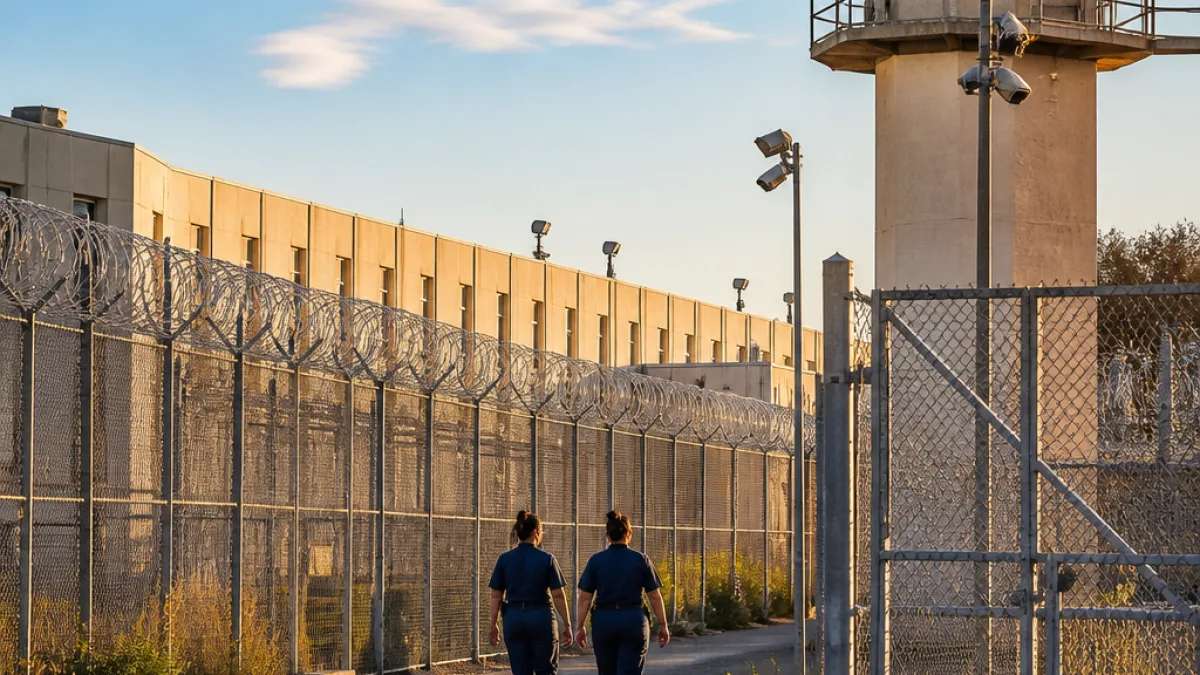
The U.S. Department of Justice concluded this week that California’s corrections system failed to protect women incarcerated at two state facilities from sexual abuse and harassment by staff, finding a pattern of misconduct and systemic breakdowns that, the DOJ says, violated inmates’ constitutional rights.
Longstanding problems at two facilities
Federal investigators examined practices at the Central California Women’s Facility (CCWF) in Chowchilla and the California Institution for Women (CIW) in Chino. The DOJ said its review, opened in September 2024, uncovered recurring staff sexual misconduct, insufficient safeguards, flaws in confidential reporting channels and shortcomings in investigative procedures and accountability.
In a news release, Assistant Attorney General for the Civil Rights Division Harmeet K. Dhillon emphasized the basic legal protections the DOJ found were not being upheld. The release stated plainly:
“Female prisoners have the constitutional right to be free from sexual assault and harassment by prison staff.”
First Assistant U.S. Attorney Bill Essayli for the Central District of California described the DOE’s findings as unacceptable and called for the state to confront failures by its employees and systemic weaknesses that allowed abuse to continue.
Specific shortcomings and DOJ recommendations
The DOJ’s account pointed to a range of institutional failures rather than a single, isolated lapse. Investigators documented what they characterized as a longstanding pattern of sexual misconduct by staff and cited problems that included:
- Inadequate physical safeguards and monitoring
- Barriers to confidential reporting for inmates
- Deficient investigative practices following complaints
- Insufficient accountability for staff misconduct
As remedies, the DOJ recommended measures such as expanding camera coverage in areas where abuse has occurred and strengthening confidential reporting channels so inmates can report incidents without fear of retaliation. The department also said the California Department of Corrections and Rehabilitation must more effectively implement the federal Prison Rape Elimination Act (PREA), which sets standards for preventing, detecting and responding to sexual abuse and harassment in confinement settings.
State response and dispute
The California Department of Corrections and Rehabilitation (CDCR) pushed back, telling reporters that it maintains a zero-tolerance policy on sexual assault, that it has implemented significant reforms predating the DOJ probe, and that the agency is subject to oversight by DOJ-certified PREA auditors. A CDCR spokesperson also said the department consistently has achieved PREA compliance in audits.
The DOJ, however, concluded that CDCR, CCWF and CIW each failed to adequately and effectively implement PREA requirements. The federal agency said the documented patterns of misconduct and institutional weaknesses amounted to violations of the Eighth and 14th Amendments to the U.S. Constitution.
Local and statewide implications
The findings carry implications for incarcerated people, correctional staff, and state officials charged with oversight. If California accepts the DOJ’s recommendations, changes could include more surveillance infrastructure, revamped investigative protocols, expanded training for staff, and improved confidential reporting routes for inmates. Those changes would likely require funding, administrative adjustments and ongoing monitoring.
Advocates for incarcerated people have long pressed for improved protections against sexual abuse in custody. The DOJ report could intensify pressure from advocacy groups, legislators and federal officials for the state to adopt more stringent practices and to ensure independent oversight of implementation.
Where the record stands
The department’s investigation states that the CDCR had been aware of sexual assault complaints dating back decades, and investigators described the pattern as systemic. The DOJ’s remedies aim both to address past harms and to prevent future violations; they focus on accountability, victim-centered reporting processes and infrastructure changes.
| Facility | Location | Primary DOJ finding |
|---|---|---|
| Central California Women’s Facility (CCWF) | Chowchilla | Pattern of staff sexual misconduct and inadequate safeguards |
| California Institution for Women (CIW) | Chino | Failures in confidential reporting, investigative practices |
Federal and state officials now face decisions about implementation, oversight and possible legal or policy remedies. The DOJ’s findings mark a significant federal intervention into California corrections practices and increase scrutiny on how the state protects people in its custody.
Further developments are likely as state authorities respond to the DOJ’s recommendations and as advocacy groups and lawmakers evaluate whether reforms are sufficient to ensure compliance with federal standards and constitutional protections.
Kevin Nakamura, State Correspondent at WE NEWS.















