BROWNSVILLE — U.S. Energy Secretary Chris Wright visited the Port of Brownsville on Aug. 4, meeting with port commissioners, local elected officials, industry representatives and education partners to discuss the region’s growing role in national energy production and exports.
Port activities center stage
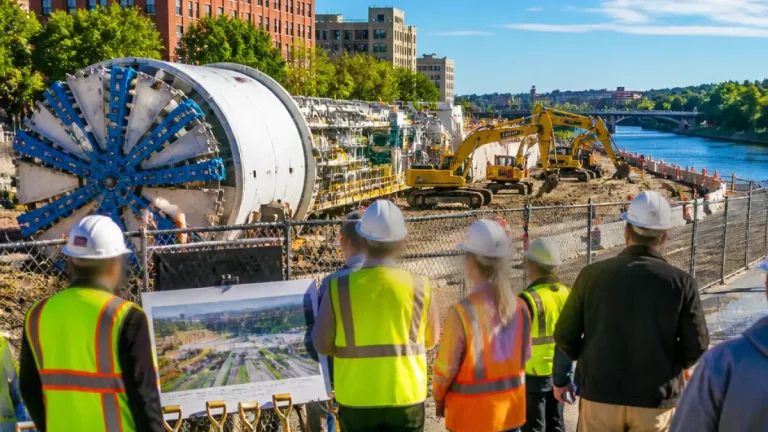
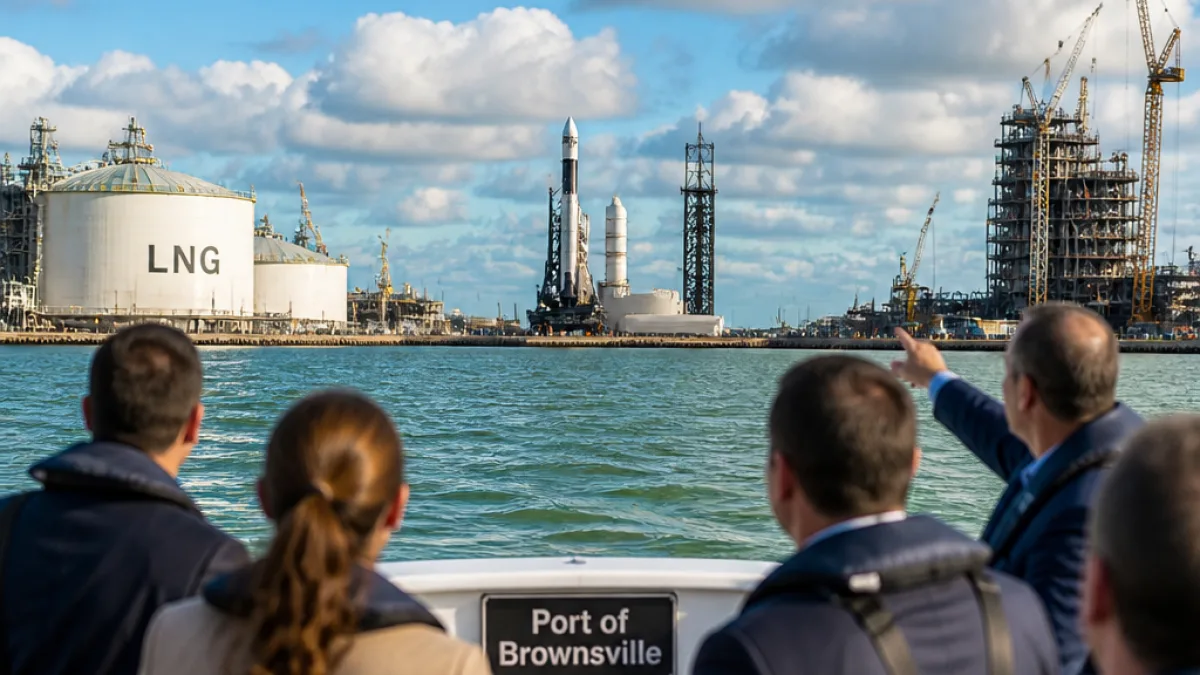
During an industry roundtable and a later press conference, Wright toured port operations, including a boat tour of the Brownsville Ship Channel where he observed ongoing infrastructure projects that port officials say are contributing to economic growth and job creation across South Texas. The discussions highlighted several major activities underway at the port:
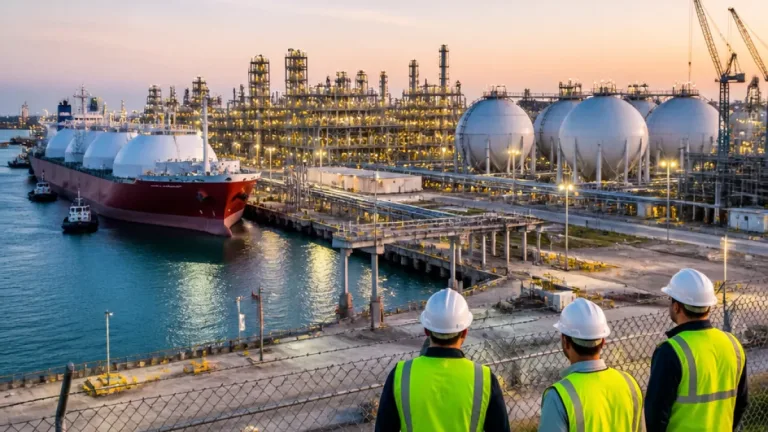
- Liquefied natural gas (LNG) exports: port leaders emphasized the facility’s expanding importance in moving U.S. natural gas to global markets.
- SpaceX operations: the port’s proximity to commercial space activities was cited as part of broader advanced manufacturing and industrial growth.
- New refinery development: officials noted plans for the first major U.S. oil refinery built in more than five decades, underlining large industrial investment in the area.
Port of Brownsville officials said the secretary’s visit reaffirmed the port’s long-standing role in the nation’s energy sector and its emergence as a center for advanced manufacturing and infrastructure development.
Federal priorities and local implications
Wright framed his remarks around the administration’s approach to energy and industrial policy, stressing an emphasis on domestic production and large-scale industrial projects. At the Brownsville press conference, he connected those priorities to local investment and exports.
“In the simplest terms, I’d say, the Trump administration’s goal is to build big things in America again,” Wright said. “Leaning in on our energy industry, broad energy production in this country, use that energy, power global industries, as industries spring up, and growth, to scale around Brownsville, and export that energy to our friends and allies all around the world.”
Wright also addressed national fuel prices and broader policy matters during his remarks, tying federal energy strategy to local and regional economic outcomes.
What the visit means for Brownsville
Local officials and stakeholders welcomed the visit as a signal of federal attention to South Texas energy projects that could drive private investment and workforce demand. Port leadership and education partners who attended the roundtable highlighted the potential for new jobs tied to expanded export capacity, industrial construction and ongoing space-industry support.
| Focus | Local implication |
|---|---|
| LNG exports | Increased terminal activity and logistics work at the port |
| SpaceX operations | Support for advanced manufacturing and service businesses |
| New refinery | Large-scale construction and longer-term industrial employment |
While federal attention can accelerate permitting and policy alignment, port leaders noted that local benefits will depend on completion of planned projects, continued private investment and workforce readiness. Education partners at the roundtable discussed the need to prepare workers for new technical and construction roles related to these developments.
The secretary’s visit came as the port seeks to capitalize on its strategic location and diverse industrial base. For residents, the tangible outcomes to watch in the months ahead include construction timelines, hiring announcements from port tenants and any coordinated workforce training programs announced by local schools or community colleges.
Representatives from the Brownsville Navigation District and other stakeholders who participated in the roundtable described the visit as an opportunity to showcase the port’s infrastructure and to press for federal support and policies that align with local economic goals.
As federal and private actors proceed, Brownsville officials said they will monitor how these large-scale energy and industrial projects affect local traffic, housing demand and community services, areas frequently impacted by major construction and new employment centers.