
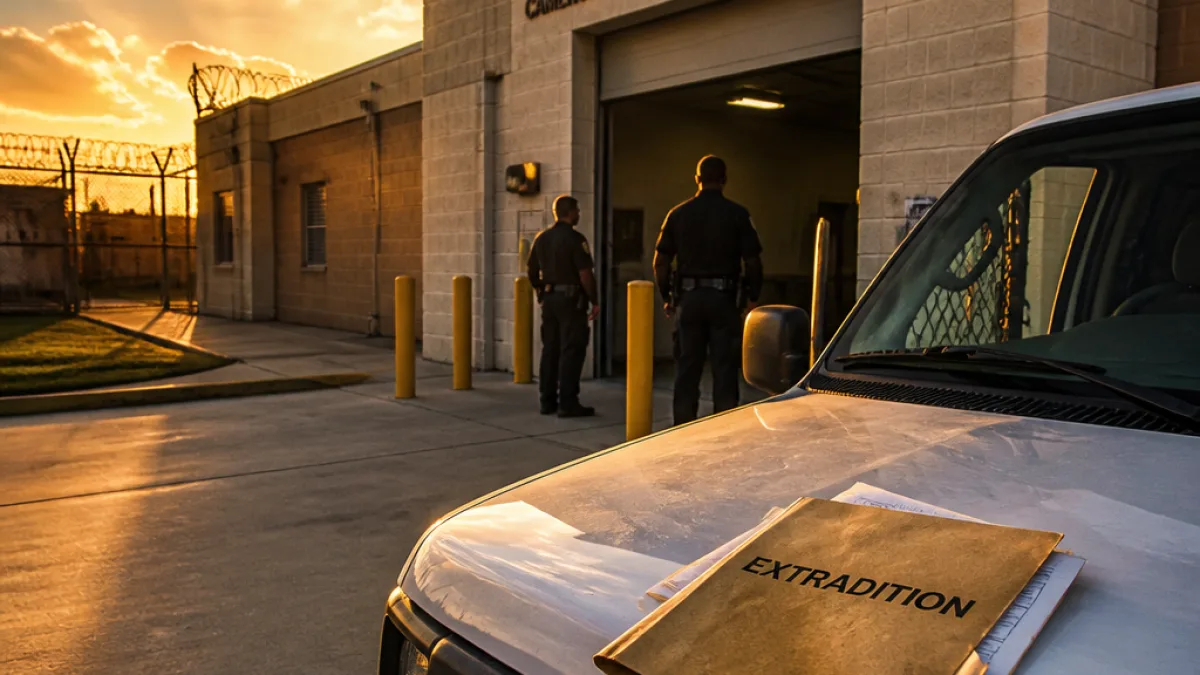
Christian Castro, a former Immigration and Customs Enforcement officer accused of shooting a 24-year-old man during a January immigration operation in Minnesota, was released Thursday from the Carrizales-Rucker Cameron County Detention Center near Brownsville after Texas authorities reached a 90-day limit on holding a subject of an extradition request.
What led to Castro’s release
Castro had been detained in Texas since late May after Minnesota officials, following a state warrant, located and arrested him. Prosecutors in Minnesota allege Castro fired through a front door during an immigration sweep on Jan. 14 and struck Julio Cesar Sosa-Celis, 24, in the leg. Authorities also allege Castro falsely accused Sosa-Celis and another man of assaulting an ICE officer with a broom handle and a snow shovel.
Under Texas law, a person subject to an extradition order cannot be held in state custody for more than 90 days without being transferred to the requesting state or released. When that window closed on Thursday, county officials released Castro. Upon leaving the detention center, Castro gestured toward reporters and camera operators before entering an SUV that drove away.
"[The judge] could not intervene or prevent a county sheriff from releasing Castro given"
The words above are from a federal court ruling that said the judge lacked authority to force the county to retain Castro beyond the statutory limit. The same ruling, issued Wednesday by District Judge Fernando Rodriguez Jr., set the legal backdrop for the timing of Castro’s release.
Charges and context
Minnesota prosecutors had charged Castro in connection with the nonfatal shooting of Sosa-Celis that occurred during an immigration enforcement action. The operation was part of a broader deportation effort carried out under the authority of the federal administration that organized the sweep.
Minnesota’s Bureau of Criminal Apprehension detained Castro in Texas on May 29 after a nationwide arrest warrant was issued earlier in the spring. Following his arrest, Minnesota officials sought his extradition so he could face state-level criminal proceedings tied to the January incident.
Local and legal ramifications
The release highlights a procedural tension between state extradition deadlines and interstate criminal prosecutions. Texas law limits how long local jails can hold someone facing an extradition request; when the statutory clock runs out, counties must either transfer the person or release them. In this case, Minnesota was unable to secure a transfer before the 90-day period expired.
Advocates and legal observers say the incident raises questions about coordination between states and about how extradition timelines can affect the course of criminal investigations and prosecutions. Community members in Brownsville and the Lower Rio Grande Valley, where the detention center is located, watched the case closely because of its links to immigration enforcement activities and public safety concerns.
Timeline
| Date | Event |
|---|---|
| Jan. 14 | Alleged shooting during immigration raid in Minnesota |
| May (earlier) | Nationwide arrest warrant issued by Minnesota judge |
| May 29 | Castro detained in Texas by Minnesota authorities |
| Aug. (90 days after detention) | Texas deadline to hold subject of extradition expired; Castro released |
- Accusation: Nonfatal shooting of Julio Cesar Sosa-Celis and false accusation of assault.
- Detention: Held at Carrizales-Rucker Cameron County Detention Center near Brownsville since late May.
- Release: Freed after Texas law barred continued detention pending extradition.
Minnesota prosecutors have charged Castro; the state’s ability to pursue those charges now faces procedural and logistical hurdles. Federal and state legal officials may still seek other avenues to secure Castro’s presence for trial, but the immediate statutory limit in Texas resulted in his discharge from local custody.
As of Thursday, there are no public records in this case indicating that Castro has been rearrested or that Minnesota has succeeded in obtaining custody. Local law enforcement in Cameron County did not publicly announce any further detainment actions at the time of Castro’s release.
The case remains a notable example of how interstate criminal matters, particularly those tied to immigration enforcement actions, can be complicated by statutory deadlines and judicial limitations in different jurisdictions.















