Security forces in Zambia have detained 11 people, among them senior opposition figures and the leading opposition presidential candidate, after a raid in the capital Lusaka during the ongoing vote count from last Thursday's election, the government said.
Officials allege plot; opposition contests account
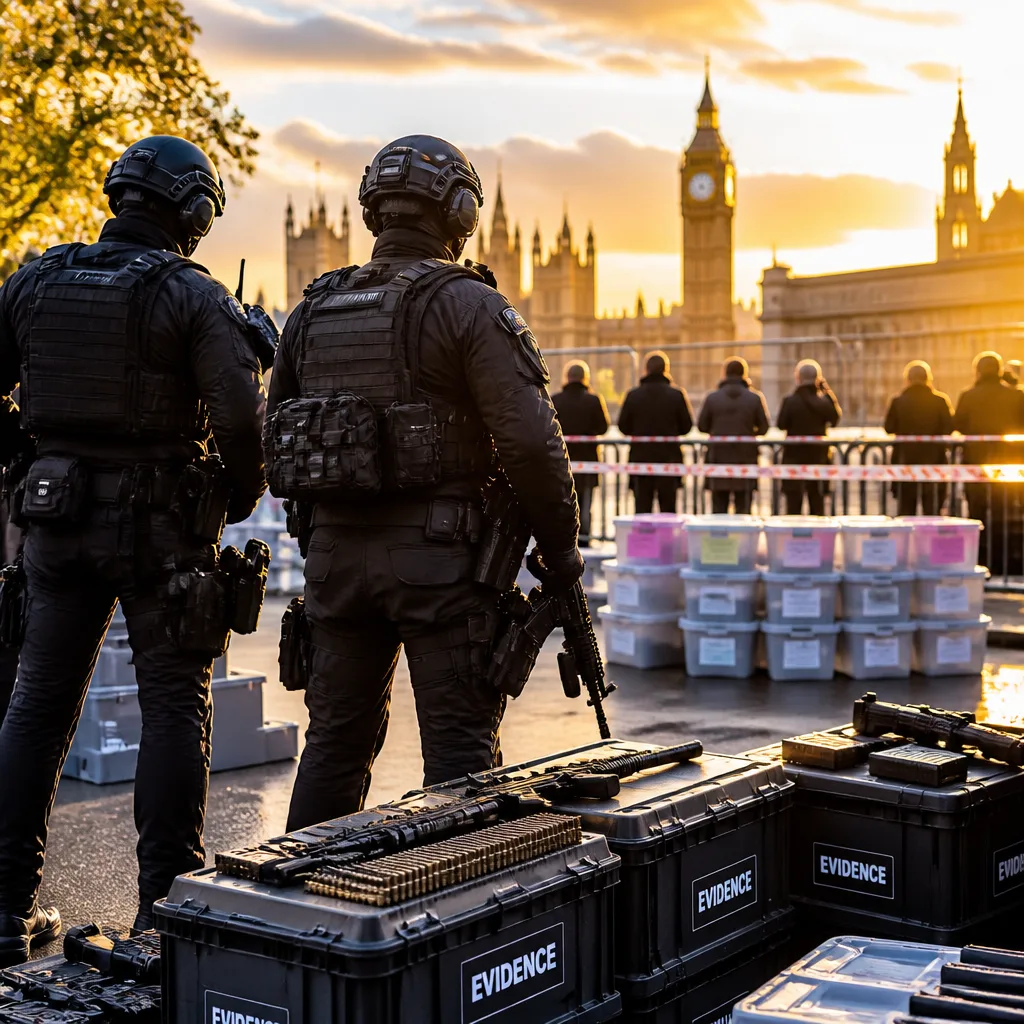
The country's top civil servant, Patrick Kangwa, told reporters the suspects were connected to what he described as "military plans involving foreign nationals and illegal military training camps" and that high-grade weapons and ammunition were recovered. He said the individuals posed "a serious threat to state security" and that shots were exchanged with law enforcement.
"An attempt on my life... colleagues were shot,"
The quotation above was made by opposition candidate Brian Mundubile, who was reportedly present at the scene and later described the raid as an attempt on his life. He also said colleagues were shot while he was there. Mundubile has previously alleged irregularities in the electoral process and had asserted victory earlier in the count.
Government statements said those arrested are being held in various police stations in Lusaka. Among the detained is Patrick Mwansa, identified as the husband of Tasila Lungu, the daughter of former president Edgar Lungu, Reuters reported.
Count continues amid differing assessments
With results declared from more than half of constituencies, Reuters said Mundubile was trailing the incumbent, Hakainde Hichilema. Official election observers had earlier described polling day as largely peaceful and orderly, though they raised concerns about late electoral reforms and media access in the run-up to the vote.
Mundubile has alleged a range of irregularities, including reports of military involvement at tally centres and problems with ballot boxes. He later said he was being interrogated by army officers over two videos he published and claimed he had been assaulted while in custody; authorities have denied those allegations.
In a further development, Mundubile alleged interference by Tanzania, an accusation the Tanzanian government publicly rejected as false and unfounded, Reuters reported. The allegation and denial add a diplomatic dimension to an already fraught domestic dispute.
Immediate consequences and wider implications
The arrests and the raid deepen uncertainty as Zambia completes the vote count. They raise several issues that will shape the immediate political environment:
- Credibility of the count: Opposition claims of irregularities, set against observers' largely positive accounts of election day, create a contested narrative that could complicate acceptance of final results.
- State security vs political freedom: Government allegations of an insurrection plot will be scrutinised for evidence, while critics will look for signs the security response infringes democratic freedoms.
- Regional relations: Accusations involving Tanzania, and the latter's denial, could heighten diplomatic tensions if further claims are pursued without substantiation.
The immediate legal status of those detained was not detailed beyond their being held at Lusaka police stations. Kangwa characterised the seizures as involving "high-grade military weapons, ammunition and other materials intended for use in an armed insurrection," according to the Reuters account.
| Item | Reported detail |
|---|---|
| Number arrested | 11 |
| Key opposition figure present | Brian Mundubile |
| Detained linked to notable family | Patrick Mwansa (husband of Tasila Lungu) |
Opposition leaders and civil society groups are likely to demand transparency about the evidence underpinning the government's claims. International observers and diplomatic missions will also monitor whether the detained individuals are afforded due process and whether the remainder of the vote count proceeds without interference.
As the country awaits the completion of the count, both the narrow arithmetic of the vote and the legal and political fallout from the raid will determine the immediate course. For now, the competing accounts—official assertions of a security threat and opposition charges of targeted repression—have left Zambia's democratic institutions under close scrutiny.