
Owners of US small and medium-sized businesses are reporting a sustained period of disruption that many say is more damaging than the shock of the Covid pandemic. A string of global events — from a poor Brazilian coffee harvest and trade barriers to renewed Middle East tensions and extreme weather — has driven input prices and logistical headaches to levels owners call extraordinary.
Multiple shocks stack up for firms
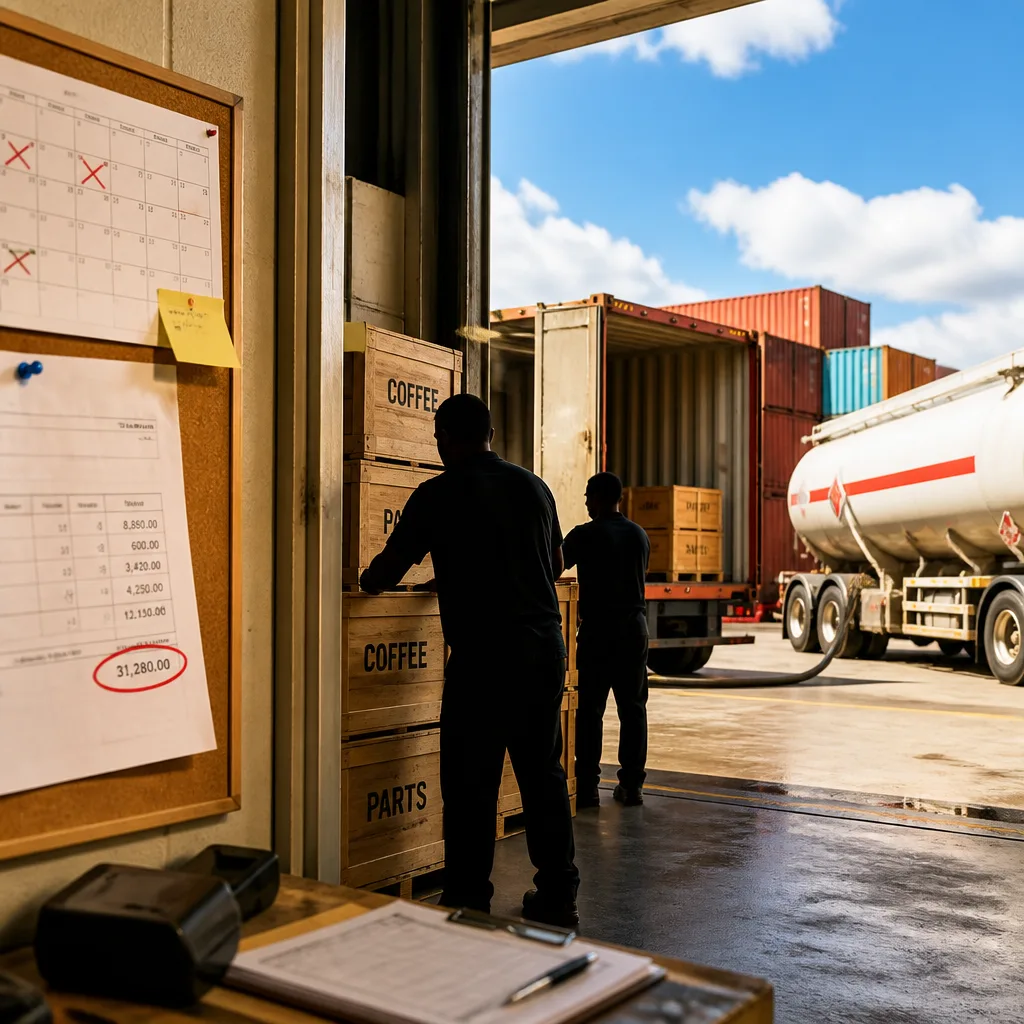
Across sectors, managers are wrestling with a mix of supply shortages, freight disruption and volatile commodity costs. Coffee distributor Dilworth Coffee in Raleigh, North Carolina, saw a Brazilian crop failure in 2024 push futures to historic highs, and says subsequent tariffs imposed by the Trump administration and the outbreak of the Iran conflict have compounded pressures this year. The business also cited container scarcity and shipping delays as major problems.
Academic voices monitoring logistics and supply chains describe the situation as more than a temporary hiccup. Jack Buffington, director of the supply chain programme at the University of Denver, told reporters the current episode is “a bigger problem than Covid,” characterising it primarily as an energy shock. That view underlines how intertwined fuel costs, transport capacity and raw-material prices have become for ordinary firms.
“There’s just so much uncertainty,” said Jeff Vojta, founder of Dilworth Coffee, describing a period of disruption he has not encountered in over three decades in business.
Policy claims and real-world pain
Political messaging has sought to frame some of the disruption as temporary. The White House and allied voices have argued that a resolution of hostilities in the Gulf would quickly ease price pressures. At times when the Strait of Hormuz reopened in mid-June after a US–Iran memorandum, fuel prices fell and gasoline dropped below $4 per gallon, showing how sensitive markets are to changes in shipping routes and risk perceptions.
Yet business leaders stress that even if a single geopolitical flashpoint calms, structural problems remain. Firms point to elevated fertiliser costs, the ongoing scarcity of shipping containers, and the cumulative effect of tariffs and extreme weather events such as a Super El Niño — all of which raise production and distribution costs and complicate pricing decisions in already inflation-averse markets.
- Commodity shocks: Crop failures and higher fertiliser costs pushing raw-material prices up.
- Logistics strain: Container shortages and shipping disruptions affecting delivery schedules and costs.
- Policy and geopolitics: Tariffs and the Iran conflict adding to price volatility, especially in energy-sensitive sectors.
What it means for workers, prices and employers
For employers, the consequences are immediate: tougher choices on whether to absorb higher costs, pass them to customers or trim margins. For workers, the picture is mixed. If firms successfully push through higher consumer prices, inflation may remain elevated, eroding real wages. If firms instead cut costs, that could translate into slower hiring, reduced hours or smaller pay rises.
Industry surveys, including an influential monthly measure compiled by supply managers, have recently signalled an alarming mood among business leaders. Several respondents explicitly compared current conditions to the pandemic period and, in some cases, judged the present environment to be worse. Those survey signals matter because they often presage investment pauses and hiring slowdowns.
There are precedents for quick reversals: when shipping lanes reopened earlier in the summer, energy and fuel prices eased. But the constellation of problems now facing firms — from trade policy to extreme weather and geopolitical risk — suggests recovery may not be swift or uniform. Businesses that operate on thin margins, particularly in sectors exposed to commodity cycles and freight costs, appear especially vulnerable.
| Source of disruption | Immediate effect |
|---|---|
| Brazilian coffee crop failure (2024) | Record coffee futures; higher input costs for roasters and retailers |
| Tariffs (administration policy) | Higher import prices; pass-through to consumer prices |
| Iran conflict and shipping risk | Volatile oil and freight rates; route disruptions |
The near-term outlook remains uncertain. Businesses say planning is difficult when shocks accumulate from diverse sources. For policymakers, the challenge is to balance measures that relieve supply-side constraints — from support for shipping resilience to targeted trade interventions — while avoiding policies that could entrench inflation expectations. For employers and workers alike, the focus will be on whether cost pressures ease in the months ahead or spiral into a protracted squeeze on margins, prices and living standards.














