
Inflation in the UK rose to 2.9% in the 12 months to July, the Office for National Statistics said, as higher gas costs and a regulator-led rise in the energy price cap put renewed upward pressure on household bills.
Energy costs and consumer goods lift headline rate
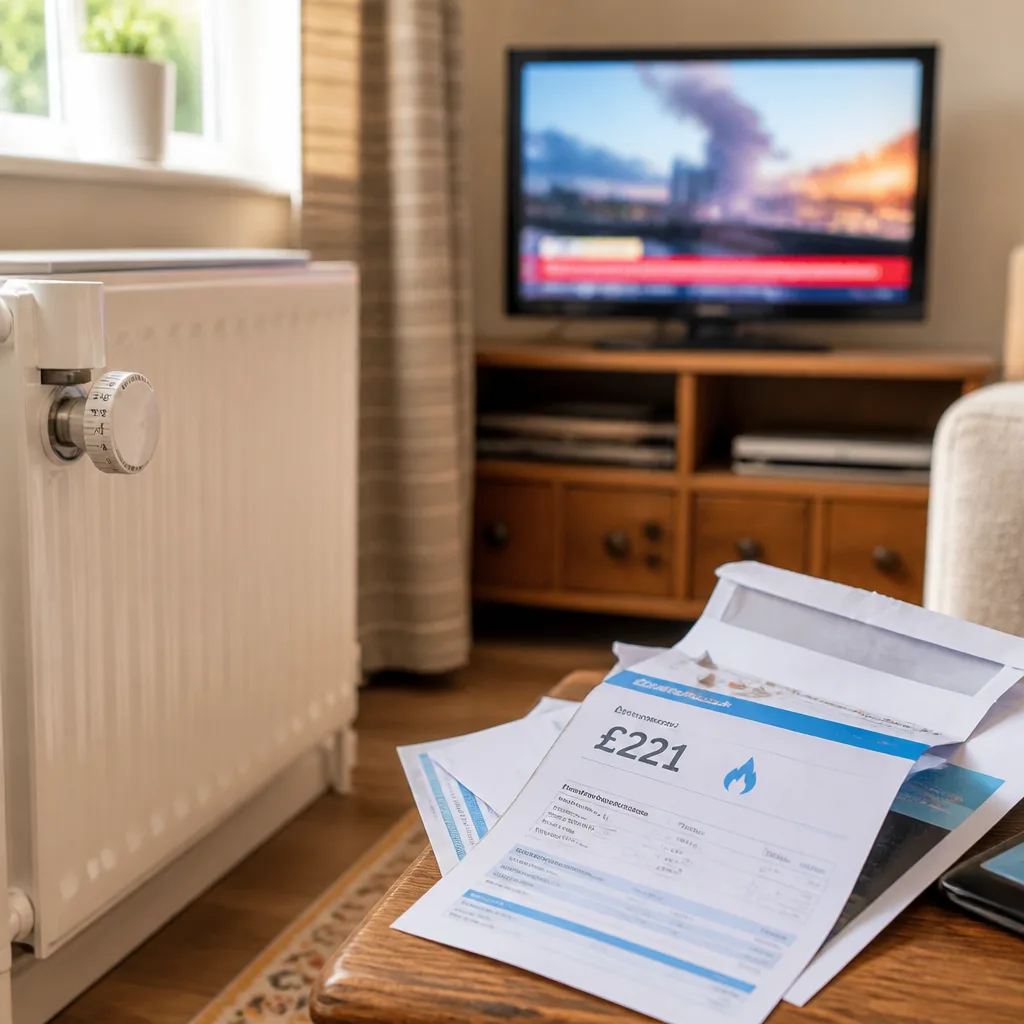
The ONS said the increase followed a 13% rise in the price cap for household gas and electricity implemented by Ofgem on 1 July, which the regulator estimates adds about £221 a year to a typical household's energy bill. That movement, coupled with a rise in gas prices, was the principal driver behind the uptick in the headline inflation figure.
Prices for furniture fell by less than is normal for this time of year, the ONS's prices director, Mike Hardie, said, adding that clothing was not being discounted as heavily as in previous summers — factors that also contributed to the upwards pressure on inflation.
"We have cut VAT on electricity bills and capped bus fares at £2 - to give breathing space to those feeling the strain. There is more to do to restore hope and build a stronger economy where prosperity is shared more fairly across Britain," Chancellor John Healey said.
What this means for households and policy
For many households, the rise in the headline rate will be felt most sharply through energy bills; the Ofgem cap increase came into effect at the start of July, so its impact is now filtering through official price measurements. Although headline inflation remains well below the peaks seen in earlier years, the move marks the highest 12‑month rate since March, when inflation was 3.3%.
- Energy: Ofgem's cap rise added an estimated £221 a year to a typical household bill.
- Goods: Smaller-than-expected discounts on furniture and clothing kept some prices higher than seasonal norms.
- Overall trend: The recent rise interrupts a period of generally lower inflation but remains below earlier peaks this Parliament.
The Chancellor framed the rise within ongoing international pressures, saying conflict in Iran continued to influence prices in the UK. He reiterated fiscal measures the government has taken to help households manage costs, pointing to a temporary VAT reduction on electricity and a cap on bus fares.
Short-term data at a glance
| Measure | Figure | Note |
|---|---|---|
| Headline inflation (12 months to July) | 2.9% | ONS provisional estimate |
| Headline inflation (12 months to March) | 3.3% | Previous higher point this year |
| Ofgem price cap rise | 13% | Increase effective 1 July; adds ~£221/year |
Economists will scrutinise the components of the ONS release to determine whether July represents a temporary blip caused by energy market movements or the start of a more sustained upward trend. Energy prices are volatile; gas markets can be affected quickly by international events and supply expectations, which in turn feed into domestic household bills and the measured cost of living.
Policy makers will be watching closely. The Bank of England, which sets interest rates in response to inflation trends, has previously signalled that it monitors such shifts carefully, balancing the need to control inflation against risks to growth. Any sustained upward pressure on prices could complicate the central bank's path on rates and influence government decisions over fiscal support to ease household burdens.
For now, the government emphasises targeted measures intended to protect households from the worst effects of higher energy costs, while acknowledging that more action may be required to boost living standards and economic resilience.
The ONS figures provide the latest snapshot of the consumer price environment heading into the autumn, a period when seasonal spending and potential further energy price moves could determine whether inflation falls back or holds at higher levels.















