New research into London homicides between 2019 and 2023 has revealed a stark and troubling pattern: victims from minority ethnic backgrounds make up the vast majority of cases that remain unsolved.
Disparity in unsolved cases
The study shows people from minority ethnic communities accounted for 61.7% of all reported homicide victims in the five-year period, yet they represented 92.9% of victims in murders that remain unsolved. The imbalance is particularly pronounced for Black Londoners: while they were victims in 40% of all homicides, they made up 73% of unsolved murder victims.
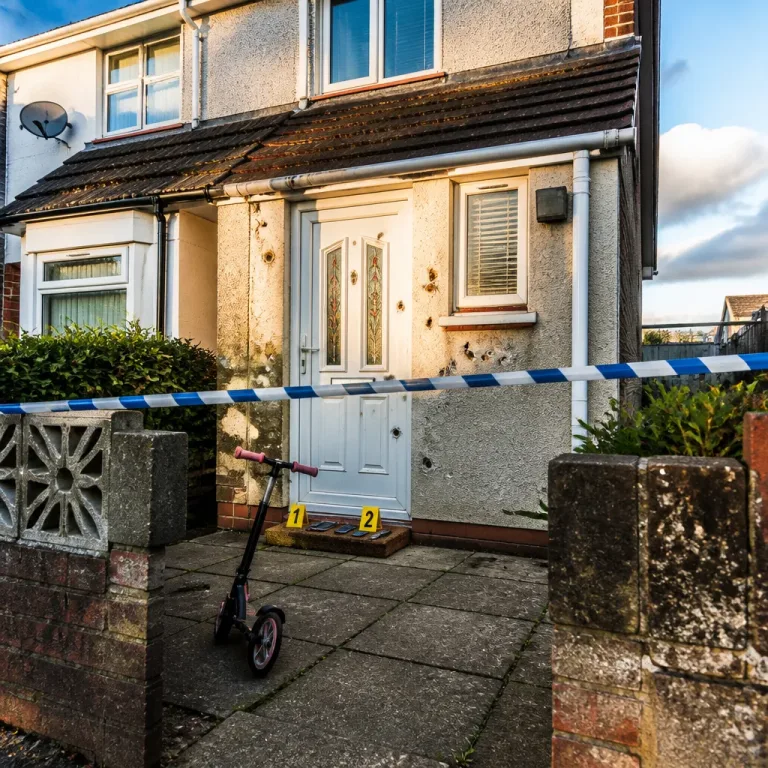
The analysis, carried out by Action on Armed Violence and reported in national media, also points to differences by method of killing. Shootings, although a smaller fraction of overall homicides, were disproportionately likely to remain unresolved.
| Measure | Share |
|---|---|
| Minority ethnic victims — all homicides | 61.7% |
| Minority ethnic victims — unsolved murders | 92.9% |
| Black victims — all homicides | 40% |
| Black victims — unsolved murders | 73% |
Firearms and investigative difficulty
Between 2019 and 2023 shootings represented about 8.7% of killings in the capital, while stabbings accounted for roughly 65.3%. However, among the 41 murders from that period left unsolved, shootings made up 38% — more than four times their share of the overall homicide total.
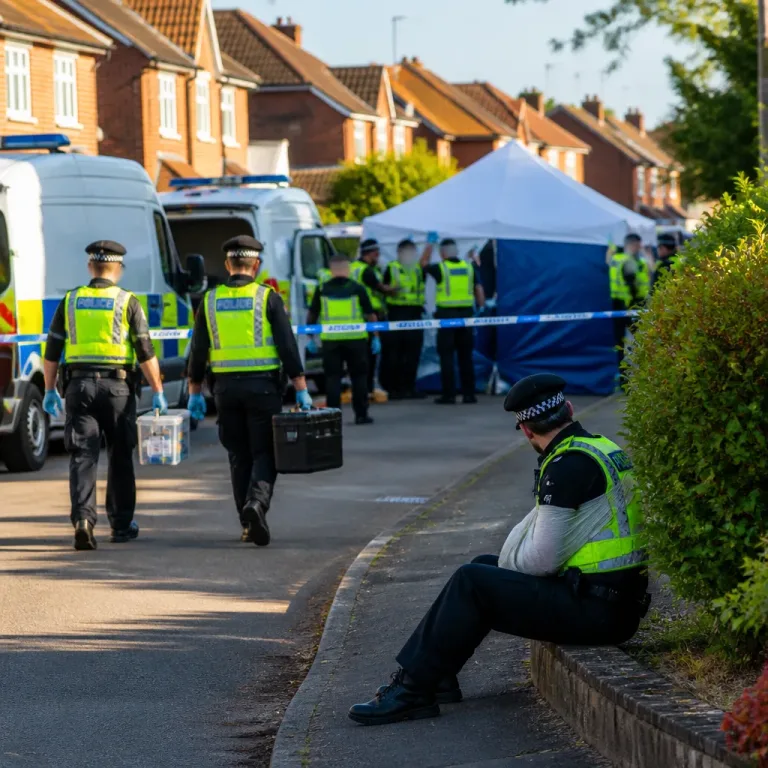
Senior detectives warn that firearms offences pose particular investigative challenges. Detective Chief Inspector Alex Gammampila, a homicide investigator at Scotland Yard, said shootings frequently involved greater preparation by offenders compared with impulsive knife attacks, which can complicate efforts to identify suspects.
Police cite low trust as a factor
“We know serious violence disproportionately affects certain communities, particularly young black men, who have the lowest trust in policing. This means sadly victims or witnesses are less likely to come forward and trust us.”
The quote comes from Commander Paul Brogden, head of homicide at the Metropolitan Police, who told the reporting outlet the police view lower levels of trust as one contributory explanation for the racial imbalance in unsolved cases. He said the force is attempting to address that trust deficit.
Why witnesses matter
Police and criminologists commonly point to witness testimony and community cooperation as decisive factors in securing convictions. The report underlines that for many street incidents — particularly where shootings occur — identifying suspects often depends on detailed investigative work and eyewitness accounts, which may be scarce when communities distrust law enforcement.
- Black victims account for 73% of unsolved murder victims during 2019–2023.
- Shootings are disproportionately represented among unsolved cases.
- Police link part of the problem to lower confidence in the Met among some communities.
Local impact and public concern
Residents in parts of London where serious violence is concentrated say the findings confirm long-standing fears. One community worker told local reporters the statistics reflected “a familiar pattern” and underlined the need for sustained, transparent engagement by investigators if confidence is to be rebuilt.
For families of victims, an unsolved murder brings prolonged uncertainty and anguish. Campaigners argue that the disproportionate share of unresolved cases involving minority victims magnifies existing inequalities: not only are certain communities more likely to suffer serious violence, but they are also less likely to see justice delivered.
What happens next
The Met has acknowledged the disparity and signalled efforts to improve relations and cooperation with affected communities. The report’s authors and policing sources say changes will require a combination of improved investigative measures — such as better use of CCTV and forensic tools — and long-term work to rebuild trust so witnesses feel able to come forward.
As London continues to debate how best to tackle violent crime, the new analysis is likely to intensify calls for targeted policing reforms and community-led initiatives to ensure all victims have an equal chance of their killers being brought to justice.
Reporting from London.