
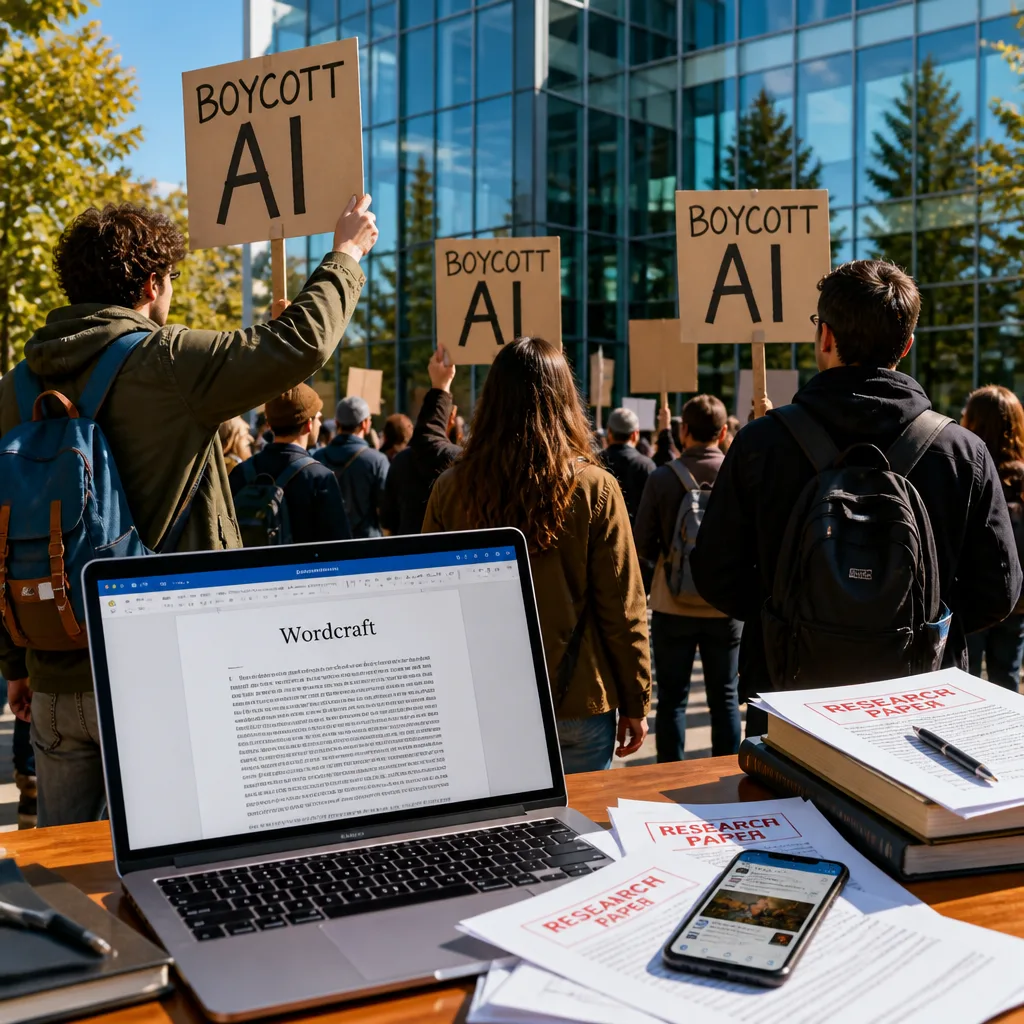
Last month’s resurfacing of a 2022 Google research project has provoked a fresh wave of criticism from authors and the wider creative community. The study, run under DeepMind’s Magenta arts initiative, recruited 13 professional writers to trial an experimental text editor linked to the LaMDA language model. The tool, known as Wordcraft, later fed into technology that researchers used to build Google’s Gemini systems.
What the experiment involved
Participants were given access to a bespoke writing interface and allocated an eight-week window to produce short fiction. They worked under nondisclosure agreements and their finished pieces were published alongside a research paper on the Magenta website. At the time, the study attracted little public attention. In August 2026, a single social media post brought it back into the spotlight, prompting widespread calls for boycotts and loud denunciations across literary circles.
"The Shameful 13"
That label has been used online to describe the contributors. Several of those involved have since publicly disavowed the project, saying they either did not know or did not expect that the underpinning model had been trained on copyrighted material. Others emphasised that some participants barely used the generated text at all.
Why the story matters
The controversy underscores a series of tensions at the heart of current AI deployment: transparency over training data, informed consent from collaborators, and how technology companies engage with creators whose work may have indirectly contributed to model development. For professional writers, there is a particular anxiety that experiments framed as collaborative could be used to normalise the appropriation of creative labour without adequate safeguards.
Industry observers say the episode also highlights the reputational risks for research teams and firms that do not fully anticipate how historical projects will be seen when public attitudes harden. Google’s internal models have evolved quickly; what was an exploratory lab exercise in 2022 has become part of commercial systems in 2026, changing how participants and the public judge the ethics of the original work.
Key facts at a glance
| Item | Detail |
|---|---|
| Project | Wordcraft (Magenta / DeepMind) |
| Model | LaMDA (research) — later influenced Gemini |
| Participants | 13 professional writers |
| Timeline | Workshop in spring 2022; renewed attention August 2026 |
| Format | 8-week trial, stories published with research paper |
Responses from the writers illustrate a mixed picture. Some said they had used the model as a creative prompt or brainstorming partner; at least one reportedly used no generated material in their final piece. The public reaction, however, has been less nuanced, with social media trending on the ethics of corporate research and the rights of creators.
- Legal and ethical questions: Whether contributors were given full information about training data and downstream use.
- Industry implications: How tech firms should approach collaborations with creative professionals in future research.
- Public trust: The incident shows how historical projects can be reinterpreted as technologies become mainstream.
For policymakers and regulators the episode is a reminder that governance around AI research must address provenance of training datasets and the terms under which human experts participate. For writers and other creators it is a prompt to seek clearer contractual protections when collaborating with technology companies.
As the debate continues, the wider question remains: how should companies balance exploratory research with clear communication and protections for those whose expertise they rely on? The Wordcraft case will be cited in upcoming discussions as advocates, industry figures and legislators consider whether additional rules are needed to protect creative labour in the age of generative AI.









