
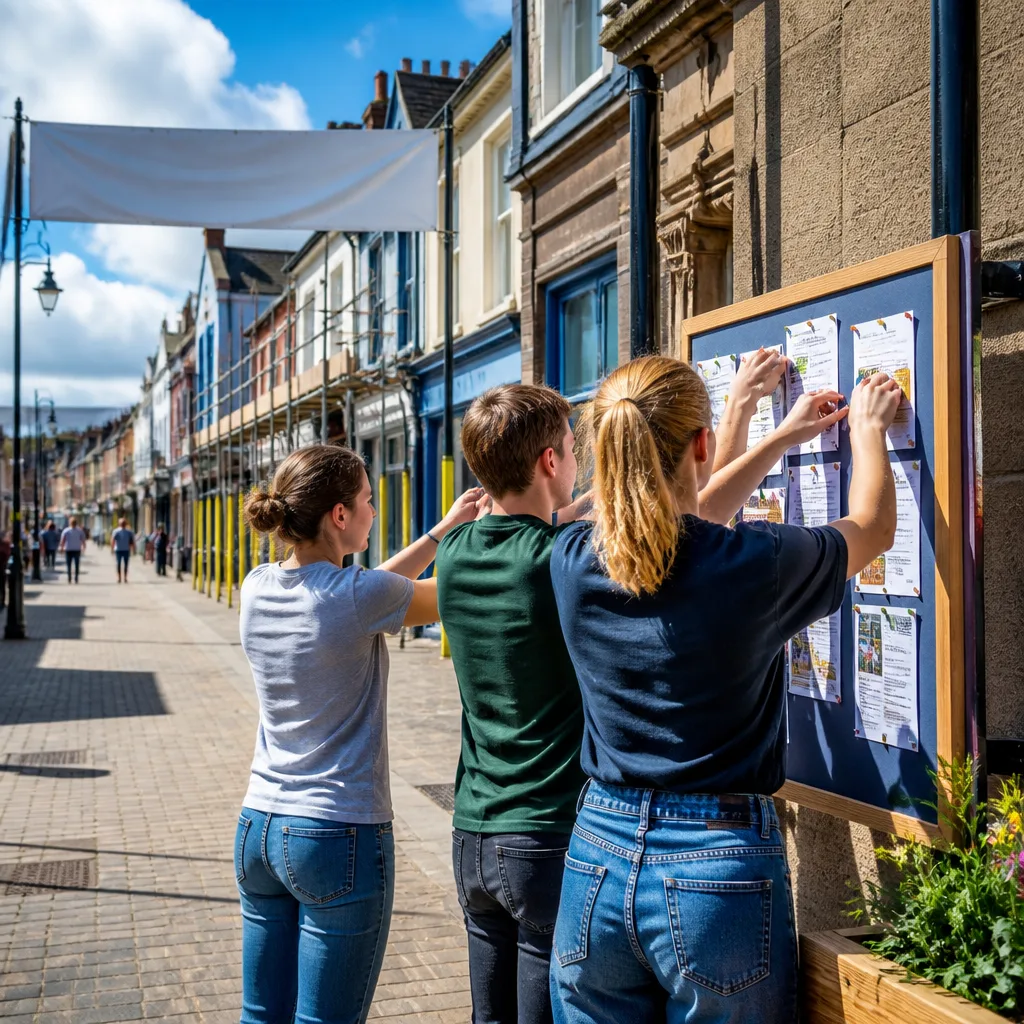
The Prime Minister has announced a £210 million programme designed to restore life to shrinking town centres and neglected local spaces, saying the money will be used to turn empty and dilapidated properties into services locals actually want.
Funds aimed at reactivating empty units and rescuing at‑risk businesses
The package includes a number of targeted pots intended to give communities the power and resources to reuse vacant premises. The government said funds would be available to transform mothballed buildings, enable community takeovers of pubs and shops, rescue struggling businesses and support co‑operative ventures.
"People don't measure growth by looking at a spreadsheet. They measure it by looking at their local high street. Are shops opening or are the shutters down? Does the place feel like it's moving forward or being left behind? Today's funding will help put power back into the hands of locals who know their area best."
The announcement comes ahead of the Prime Minister's first Labour Party conference as prime minister, where his wider message will stress that making life more affordable is central to the government's plans.
Communities Secretary Angela Rayner described the scheme as a way to reverse decline in town centres, saying it would turn "boarded‑up buildings that have been left to rack and ruin" into places people are proud to visit again. First Secretary of State Louise Haigh added the investment showed what devolution could deliver in practice, providing local people with the means to make change.
How the £210m breaks down
| Purpose | Amount |
|---|---|
| Derelict buildings fund (transform mothballed/dilapidated properties) | £125m |
| Support for community takeovers of pubs, clubs and shops | £85m |
| Rescue for businesses and buildings at risk of closure | £65m |
| Support to set up co‑operatives and let empty units | £20m |
Those figures are part of funding earmarked by the Ministry of Housing, Communities and Local Government for high street support and regeneration. The overall sums listed above total more than the headline £210m package; the government said the amounts would be deployed across different targeted strands of support.
Government context and political response
The move follows a summer announcement that pubs, clubs and social venues would receive a 20% cut to business rates from April, a measure framed as part of efforts to bolster local social infrastructure. The high street package is being positioned by ministers as complementary support to help community organisations and small businesses make use of disused premises.
Not all reaction was unreservedly supportive. Peter Kyle, who served as business secretary under former Prime Minister Sir Keir Starmer, suggested the Prime Minister must act with "more urgency" to boost growth, comments that underline scrutiny from within Labour ranks even as the party prepares for its conference in Liverpool this weekend.
- Local impact: The funds are aimed at community hubs, health centres, shared workspaces, cafés and services residents want.
- Community empowerment: Ministers stress the packages will devolve decision‑making to local areas.
- Complementary measures: Business rates cuts for social venues announced in summer are intended to work alongside the new funding.
Ministers will have to show how the scheme will be allocated and administered at a local level, and whether the cash is sufficient to reverse long‑term trends of shop closures and high street decline in many towns. Delivery and speed of spend will be watched closely, particularly by local authorities and community groups that may seek to bid for the new pots.
As the Prime Minister heads to Liverpool for the party conference, the package provides a concrete pledge aimed at voters who measure national success by the vitality of their high streets rather than macroeconomic indicators.















