
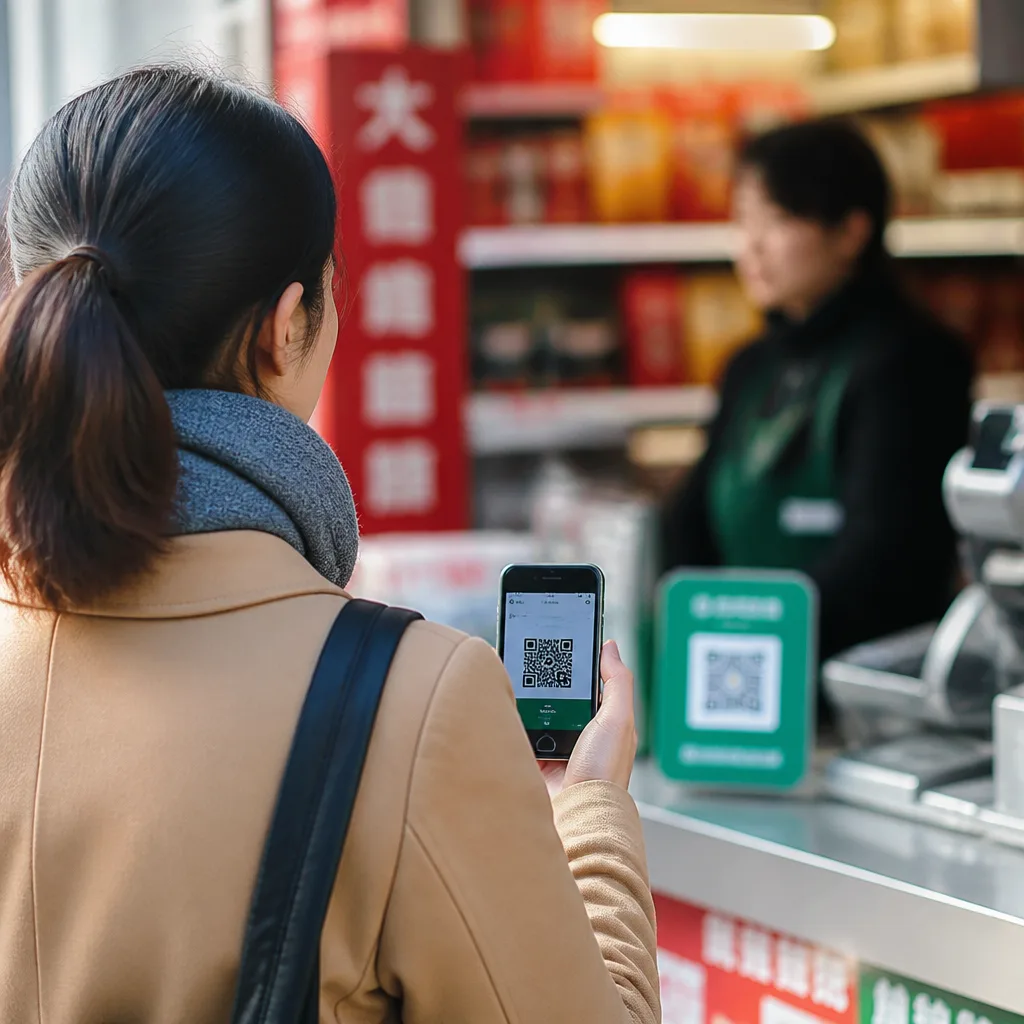
PayPal has announced that US customers can now use the PayPal app to make in‑store QR code payments at merchants accepting Weixin Pay across China, removing the need to download a local wallet or hold a Chinese bank account.
How the service works
The capability is provided through PayPal World, the company’s cross‑border network that links major payment systems and digital wallets, together with TenPay Global, Tencent’s cross‑border payment platform. US users will be able to scan merchant QR codes or present a QR code generated by the app where supported, and complete transactions in the same familiar PayPal environment as at home.
The move comes as international travel to China has recovered strongly: the World Travel & Tourism Council reported China received 68 million international visitors in 2025, an increase of 15.5% year‑on‑year.
Industry and consumer implications
For many travellers, paying for routine purchases abroad can be an awkward part of the trip. By connecting PayPal’s global rails to Tencent’s payment network, the arrangement aims to reduce friction for US tourists in China and offer a bridge between two very different mobile‑payment ecosystems.
China’s domestic payments landscape is dominated by QR‑code based wallets, widely used for everything from transit and restaurants to street markets. For visitors, that typically required either a separate local wallet app, a domestic bank account, or reliance on cash and international card acceptance — options that can be inconvenient or limited.
- PayPal World provides cross‑border connectivity between major digital wallets.
- TenPay Global enables access to Tencent’s Weixin Pay acceptance network.
- The arrangement allows US PayPal users to use the PayPal app as their payment instrument at Weixin Pay merchants.
"Travel should be about experiencing a new destination, not figuring out how to pay," said Alexander Bellabarba, Senior Vice President, Global Product Solutions, PayPal.
The partnership is also a demonstration of how international payment firms are seeking to integrate local acceptance methods rather than forcing consumers to adopt new apps or accounts when they travel. For merchants in China, expanding the range of accepted foreign payment methods can make it easier to serve inbound tourists and potentially boost retail spending at a time of growing international arrivals.
Scope and remaining uncertainties
PayPal’s announcement is targeted at US cardholders and PayPal account users. It does not, in itself, suggest a broader roll‑out for customers from other countries, nor does it remove all potential frictions: merchants must accept Weixin Pay and support the particular flows enabled by TenPay Global; there may also be transaction fees, currency conversion charges or limits applied by PayPal that affect the cost to users.
PayPal described the capability as designed to make cross‑border payments “as convenient and intuitive as paying at home”. The company framed this as part of an effort to keep payment experiences seamless for travellers as international tourism rebounds.
| Metric | Figure |
|---|---|
| International visitors to China (2025) | 68 million |
| Year‑on‑year change | +15.5% |
Payments and travel sectors will watch uptake closely. If US travellers embrace the convenience, it could set a precedent for further integrations between Western digital wallets and Chinese acceptance networks. Conversely, operational or cost barriers could limit take‑up to a subset of travellers who value convenience over potential fees.
For now, the announcement is a notable instance of fintechs and big tech platforms bridging national payments systems to meet the expectations of internationally mobile consumers.









