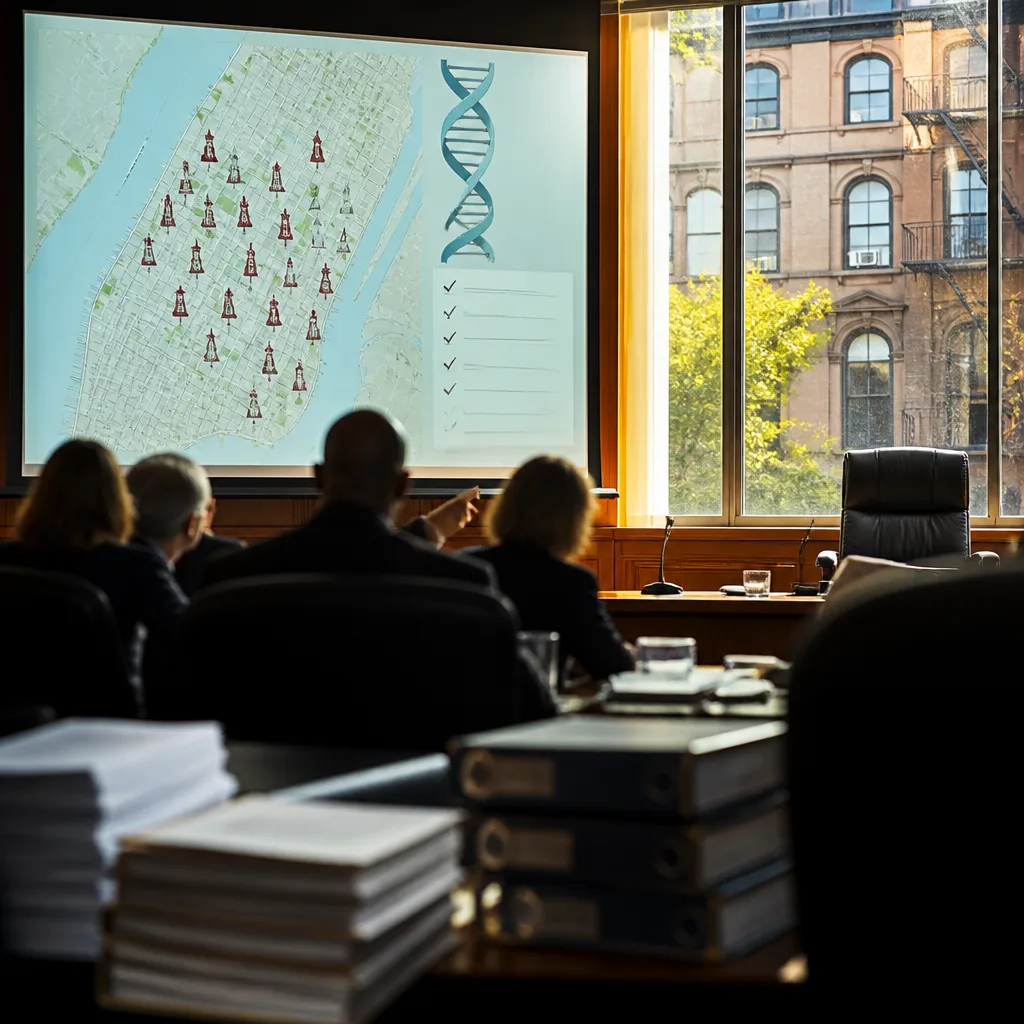
New York City health officials told councillors they expect DNA testing to pinpoint the source of an outbreak of Legionnaires' disease on the Upper East Side this autumn, as questions persist about staffing levels and political leadership during the cluster that sickened 94 people and resulted in 11 deaths.
Remediation ordered before culture confirmation
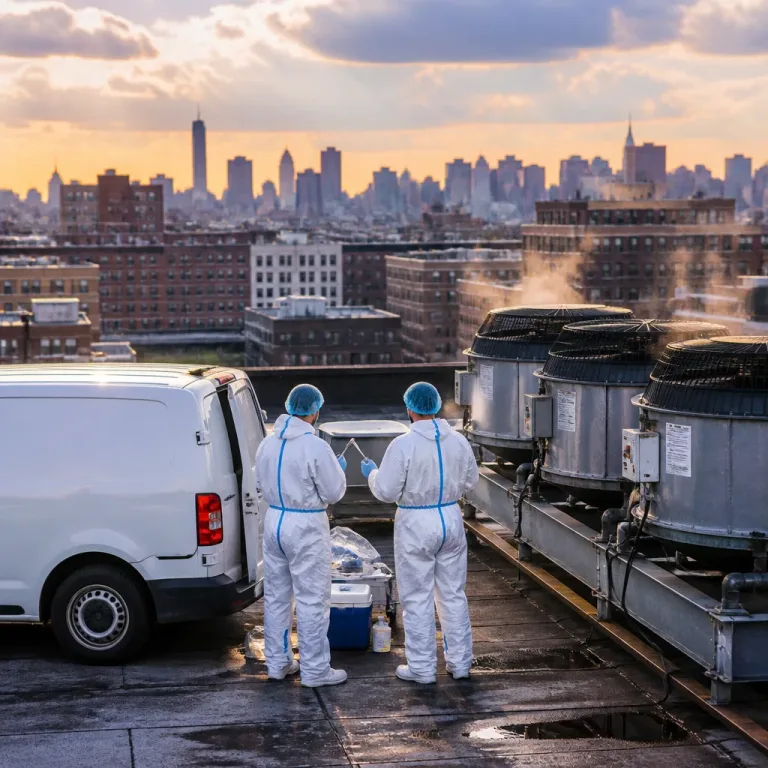
At a City Council hearing, Health Commissioner Dr Alister Martin defended the department’s approach, saying the city ordered owners to drain, clean and disinfect their cooling towers after a positive environmental test for Legionella bacteria rather than waiting to confirm live bacteria through further culture testing. He told lawmakers this represented a more proactive strategy than previously used by the city.
"We ordered building owners to fully drain, clean, and disinfect their cooling towers, and all of them complied," Dr Martin said.
Commissioner Martin said that DNA-based methods now being used should identify the contaminated site this autumn. He also maintained that the health agency’s staffing was sufficient, saying most required positions were filled before the cluster and that only six roles remain open today among the team of water ecologists responsible for inspecting cooling towers.
Dispute over staffing and political presence
City Council Speaker Julie Menin challenged that account, saying that at the time of the outbreak 21 of 56 positions for water ecologists were unfilled. The discrepancy highlights a broader debate about capacity in environmental health teams tasked with preventing and investigating waterborne disease outbreaks in dense urban settings.
There was also criticism of Mayor Zohran Mamdani's absence from the Upper East Side during the outbreak. One councillor contrasted the mayor’s alleged absence with his other public commitments; Commissioner Martin said he and the mayor had addressed the cluster together and had participated in two joint news conferences.
Human cost and accountability
The hearing opened with relatives of victims giving account of their losses. Daniel Thomas told lawmakers of his father’s death and characterised the loss as avoidable. Families’ testimony framed the proceedings, underscoring the human toll and the demand for accountability while the scientific investigation continues.
- Confirmed cases: 94 people sickened
- Deaths: 11
- Investigation tool: DNA testing to match environmental samples
The numerical summary is set out below.
| Metric | Number |
|---|---|
| People sickened | 94 |
| Deaths | 11 |
| Open water ecologist roles (per commissioner) | 6 |
| Open roles (per council speaker) | 21 |
Context and limits of the current evidence
Legionnaires' disease is caused by Legionella bacteria commonly associated with man-made water systems, including cooling towers. Environmental testing can detect bacterial DNA or antigen, while culture and viability tests determine whether live Legionella are present. The city’s choice to move immediately to remediate cooling towers after a positive environmental test prioritised rapid risk reduction over waiting for culture confirmation.
Officials say DNA matching will establish the precise source, but DNA detection alone does not by itself indicate infectious risk unless tied to viable organisms and compatible exposure pathways. Investigators will need to combine molecular findings with epidemiological timelines, environmental conditions and building maintenance records to draw robust conclusions.
The dispute over how many inspection posts were vacant at the time of the cluster points to a common public-health tension: balancing preventive staffing and regulatory oversight against budgetary and recruitment constraints. Until the DNA results and accompanying investigation are published, questions will remain about whether different resourcing levels or alternate actions could have averted cases.
Families affected by the outbreak have sought clarity and assurance that future clusters will be prevented. The city’s immediate remediation orders and the pending DNA analysis are central to answering those demands, but the investigation’s findings will need to be transparent and linked to clear steps to strengthen inspection and maintenance regimes for urban water systems.