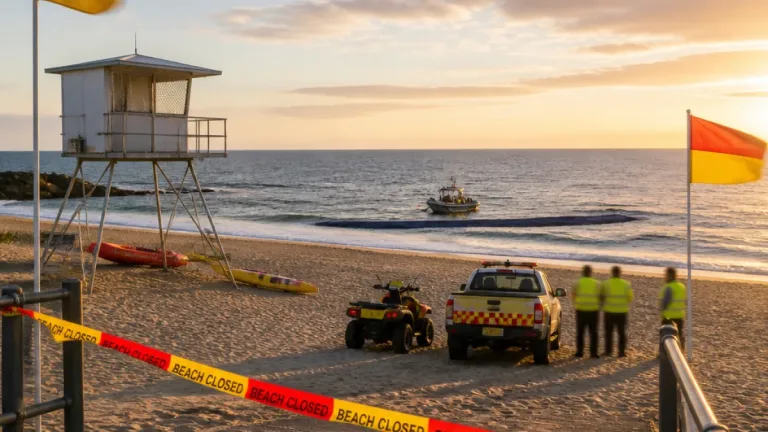

Tiny plastic pellets known as nurdles have been discovered on Hartlepool beaches after a large spillage following a collision between two vessels at the Port of Tyne. The incident, which released tonnes of pellets into the marine environment, has seen deposits travel more than 30 miles (48km) south of the original source, underscoring the wide geographic reach of the pollution.
Volunteers stretched as nurdles spread
Community volunteers who have been combing Hartlepool and neighbouring coasts to remove the plastic have raised concerns that responsibility for the clean-up is falling heavily on local groups rather than being addressed through a co-ordinated, long-term response.
North of Hartlepool, the spill has been reported along beaches in County Durham, North Yorkshire and Teesside. Environmental charity Fidra, which runs the Great Nurdle Hunt project, warned that nurdles are "highly mobile" and will continue to wash up across the north-east and beyond for months and potentially years.
"There needs to be a long-term plan and resources to monitor and respond when nurdles wash up in the future,"
Fidra's assessment adds weight to local calls for sustained action rather than sporadic clearance days.
Authorities and contractors respond
The Port of Tyne said its response has not been "scaled back" and that it has maintained the same level of on-water resources throughout the operation. During recent high tide periods, the port temporarily increased the number of boats and operatives deployed to tackle the dispersed material.
Cleaning operations on behalf of the shipping insurers have been coordinated by Solis Marine, and the port said the overall response continued to be guided by Ambipar, specialists in environmental spill response. Despite that, regional leaders have sought clarification about the handling of new deposits onshore.
"They should not be allowed to decide on their own what a proper clean-up looks like. Our local volunteers have given up their time and worn themselves out combing beaches,"
That comment came from North East mayor Kim McGuinness after her office contacted Solis Marine to press for commitments to respond to fresh nurdle deposits and to ask why some casual workers involved in the operation had been stood down.
What this means for Hartlepool
For Hartlepool residents, the immediate impacts are practical and visible: volunteers and coastal groups are sorting and removing pellets from strands used by local families, fishermen and wildlife. But the episode also raises broader questions about preparedness, monitoring and responsibility when marine pollution events have long-lasting, far-travelling consequences.
- Scale: Tonnes of nurdles released after a collision at the Port of Tyne.
- Reach: Pellets have been observed more than 30 miles (48km) from the source.
- Responsibility: Clean-up led by contractors for insurers, but volunteers and local authorities are heavily involved onshore.
| Location | Reported presence |
|---|---|
| Port of Tyne | Source of spill |
| Hartlepool | Nurdles washing up on beaches |
| North Yorkshire & Teesside | Deposits reported |
Local campaigners and charities argue a more durable, well-resourced approach is required. The key elements they call for include systematic shoreline monitoring, clearer lines of responsibility for clean-up funding and coordination, and long-term support for community volunteers who have been central to the initial response.
The Port of Tyne continues to say it is committed to removing as much material from the river as possible within the guidance provided by spill experts. Solis Marine has been approached for comment on local deployment of teams and future plans for dealing with returning nurdle deposits.
As the region heads into autumn, responders and residents in Hartlepool will watch closely to see whether action shifts from short-term clearance days to a sustained, strategic programme capable of coping with a pollutant that can travel far from its point of release and persist in the marine environment for years.