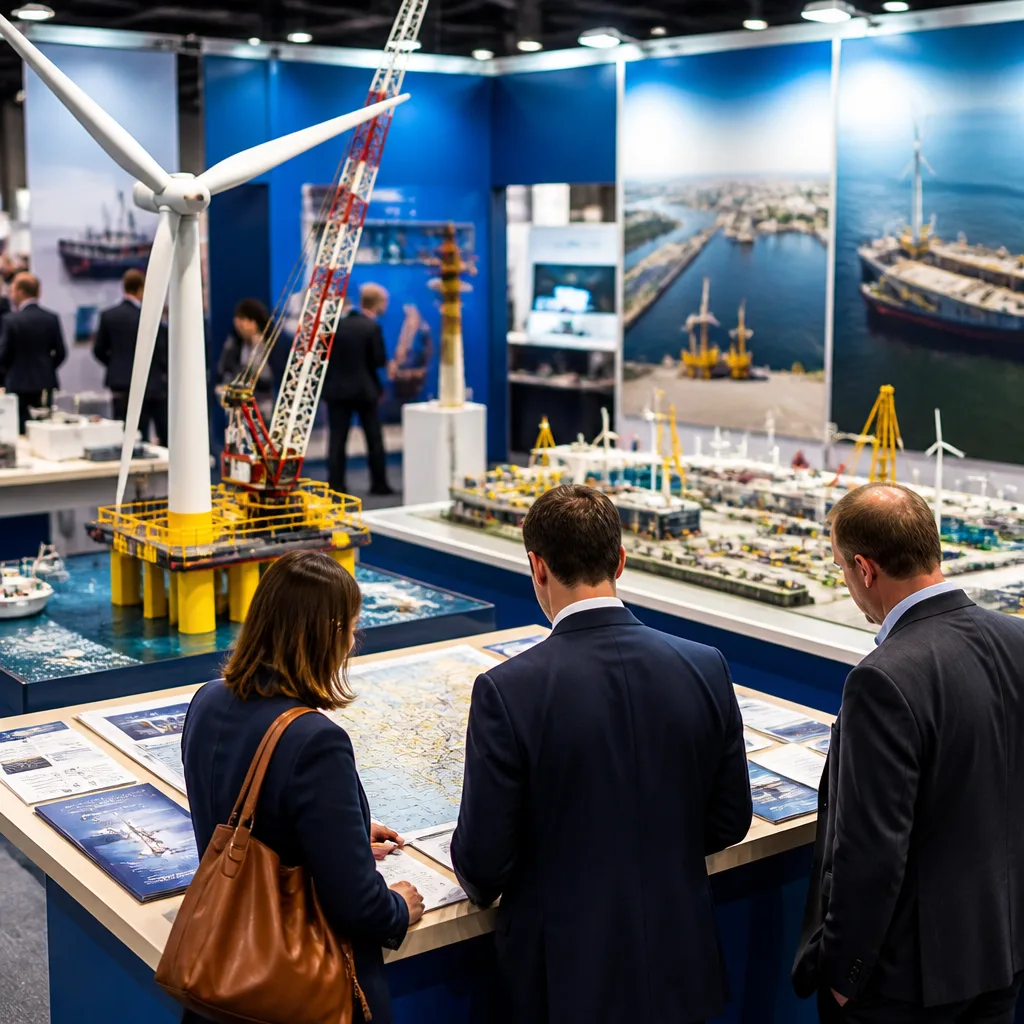
A delegation of businesses and public bodies from the North East and Tees Valley will present the region's offshore wind capabilities at WindEnergy Hamburg 2026, targeting investors, manufacturers and global supply-chain partners as they press to convert recent infrastructure and skills commitments into money, contracts and jobs.
What the delegation will show
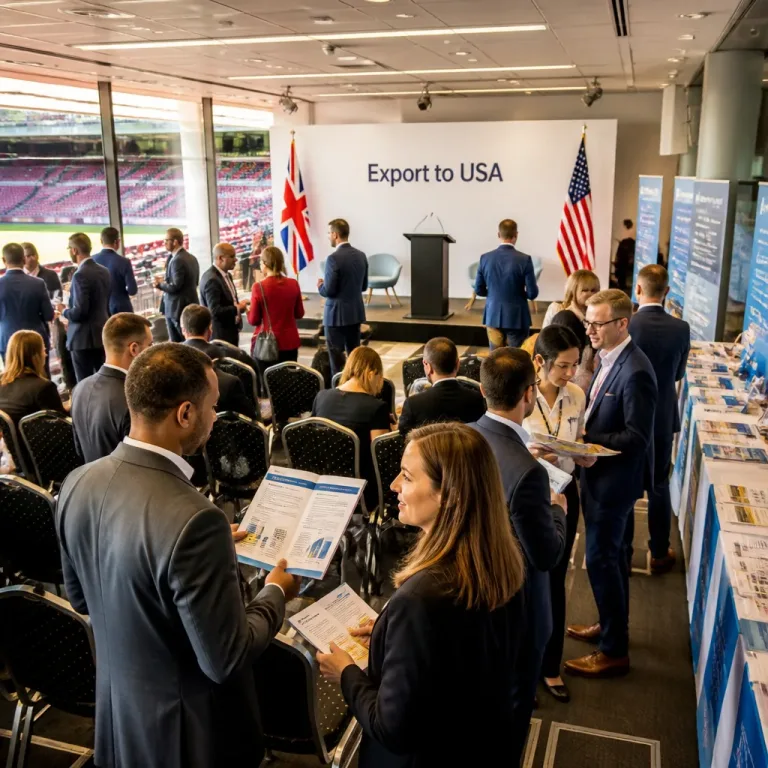
The group, led by Energi Coast - North East England's Offshore Wind Cluster, together with the North East Mayoral Strategic Authority and Tees Valley Combined Authority, will take a coordinated stand at the industry event, which runs from 22 to 25 September.
Organisers and regional supporters say the pitch is centred on the ports, heavy-lift capacity, brownfield land and specialist manufacturers that are being positioned to serve the next phase of offshore wind. Names from Tees attending include Steel River Quay, Port of Middlesbrough and Eastgate Engineering.
Scale of the event
WindEnergy Hamburg 2026 is billed as one of the world's largest gatherings for the wind sector. The organiser's figures cited by the delegation include:
- 43,000 expected attendees
- 1,600 exhibiting companies
- Representatives from 100 countries
| Detail | Figure |
|---|---|
| Event dates | 22-25 September 2026 |
| Expected attendees | 43,000 |
| Exhibitors | 1,600 from 40 countries |
Jobs, contracts and the hard sell
The public presentation in Hamburg is being used to translate regional project preparation into commercial wins. Local leaders argue that deep-water quays, heavy-lift capability and direct access to fabrication sites make the North East and Tees Valley a practical option for turbine component assembly and other supply-chain activity.
That claim is uncontroversial in principle, but the economic test will be whether the delegation secures binding contracts or memoranda of understanding that lead to orders, investment decisions and recruitment. For businesses in the region the difference between a successful trade show and a public relations exercise is measured in skilled roles created and sustained rather than ribbon-cutting photographs.
“We have the ports, the land, the skills and the supply chain to help drive the next generation of offshore wind growth,” said Tees Valley mayor Ben Houchen.
His office framed the visit as an opportunity to “bring in more investment to create high-quality jobs” and to “cement our position at the heart of this industry”. Those are legitimate aims, but converting capacity into employment will depend on firms winning export or domestic contracts that are large and steady enough to justify investment in manufacturing plant and employees.
Regional context and risks
The UK government and industry have set ambitious targets for offshore wind capacity in the coming decade. Regions that can demonstrate ready access to ports, heavy-lift yards and trained technicians are better placed to capture a slice of spending. The Tees delegation hopes to use Hamburg's global audience to press that case.
However, competition for projects is intense: other UK ports, European yards and international suppliers are all pursuing the same orders. The practical questions facing the North East are whether planning and consenting timelines, grid connections and skills pipelines can keep pace with the demands of developers so that any investment signalled in Hamburg actually leads to long-term, well-paid employment rather than short-term contracts and fleeting economic activity.
For employees and policy-makers hoping for higher wages and more secure jobs, the immediate signal to watch will be the nature of agreements announced after the conference—whether they centre on feasibility talks and expressions of interest, or on signed supplier frameworks and capital commitments.
The delegation's presence at WindEnergy Hamburg underlines a familiar dynamic in regional industrial strategy: public bodies and clusters amplify local assets on the global stage, but the translation into pay packets and stable employment depends on sustained follow-through from private-sector partners and government enabling measures.