The UK government has announced a £30 million investment in SaxaVord Spaceport on Unst, Shetland, in a move designed to accelerate the development of Britain’s northern launch facility and support the country’s broader national space strategy.
Funding to double initial project investment
A spaceport spokesperson said the public cash will act as a catalyst for an additional £30 million of private money, creating a combined investment package of roughly £60 million to advance infrastructure at the former RAF site.
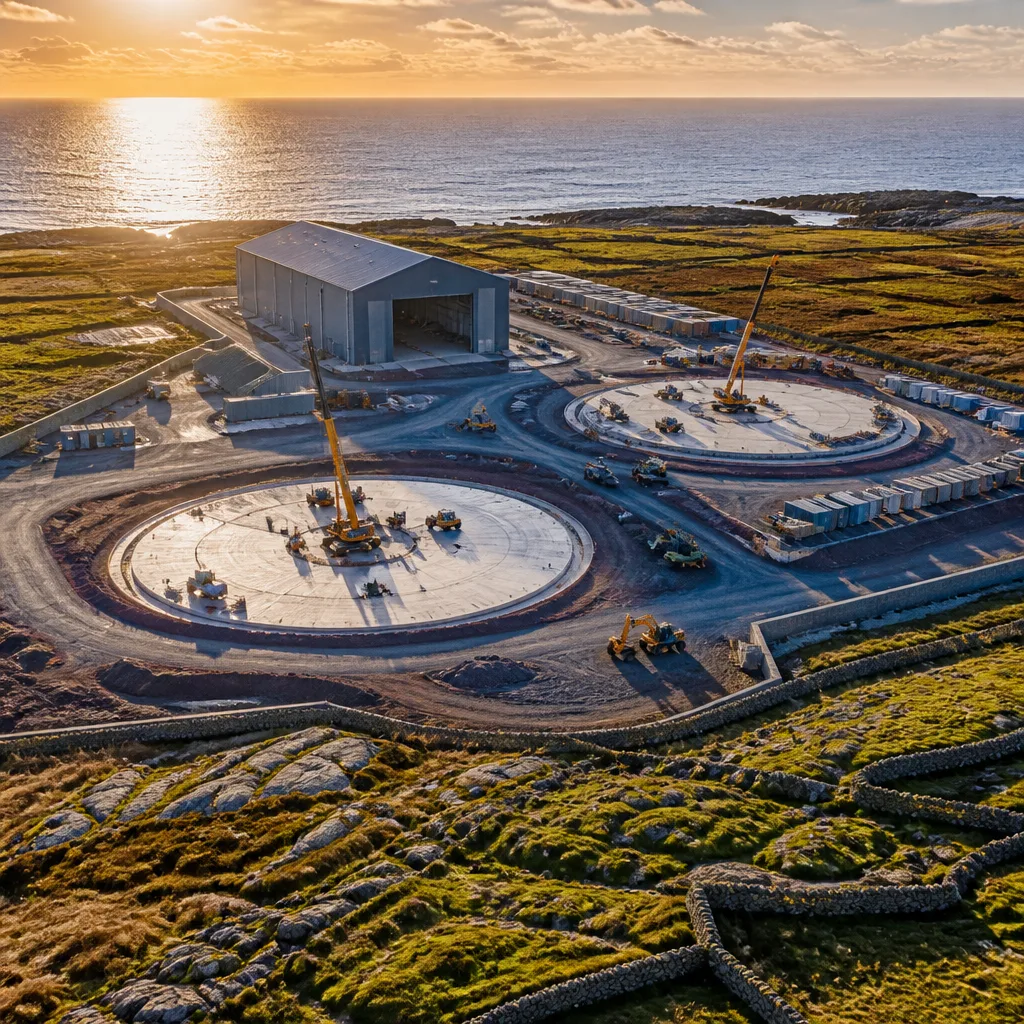
The company intends to use the funds to design and build a second hangar and add two further launchpads, expanding capacity at the UK’s first fully licensed commercial spaceport. SaxaVord already holds regulatory approval to stage up to 30 rocket launches a year.
"We are building the spaceport for the thousandth as much as the first launch. We're trying to create a successful, safe and sustainable business. This is direct investment into Shetland."
The comment came from SaxaVord’s chief executive, who characterised the government backing as a “hugely significant” vote of confidence that would move the project into its next phase.
Commercial partners and recent test delays
Several companies have signed agreements to use SaxaVord for small-satellite launches. Two German firms, Rocket Factory Augsburg (RFA) and HyImpulse Technologies GmbH, are among those with confirmed plans to operate from Shetland.
- RFA is progressing towards what would be the first vertical orbital test flight from UK soil but recently paused plans after the company reported it had "encountered an issue" ahead of a planned launch window.
- HyImpulse is preparing a second flight of its SR75 suborbital vehicle from SaxaVord later this year and has attracted significant investment in recent months.
SaxaVord has said it is also in talks with additional operators as it seeks to build a regular cadence of launches and commercial activity at the site.
Security, jobs and regional impact
A government spokesperson framed the funding as part of efforts to strengthen the UK’s standing in space, describing the domain as “an increasingly important” area for national security. The investment is also explicitly intended to foster economic activity in Shetland, with SaxaVord stressing the local benefits of the cash injection.
Company officials have underlined that their plans are focused on establishing a sustainable business capable of handling many launches rather than solely on an initial few test flights. Building out hangar space and multiple pads is central to that strategy, they say.
Investment breakdown
| Source | Amount |
|---|---|
| UK government | £30m |
| Private investment (expected) | £30m (to be unlocked) |
| Total package (public + private) | £60m |
Regulatory approval for launch activities at SaxaVord remains in place, allowing the spaceport to progress infrastructure works in parallel with operators preparing vehicles and flight programmes. Temporary maritime and aviation restrictions are typically introduced during launch windows to preserve safety.
While ambitions are high, the project faces the practical challenges of turning approvals and investment into a reliable commercial service. Recent technical issues encountered by RFA and the complexities of conducting launches from a remote northern location underline the operational hurdles ahead.
For Shetland, supporters argue the spaceport could bring skilled employment and supply-chain opportunities, and raise the profile of UK capability in the growing small-satellite launch market. For ministers, it represents a visible element of a national strategy to foster industry and protect national interests in space.