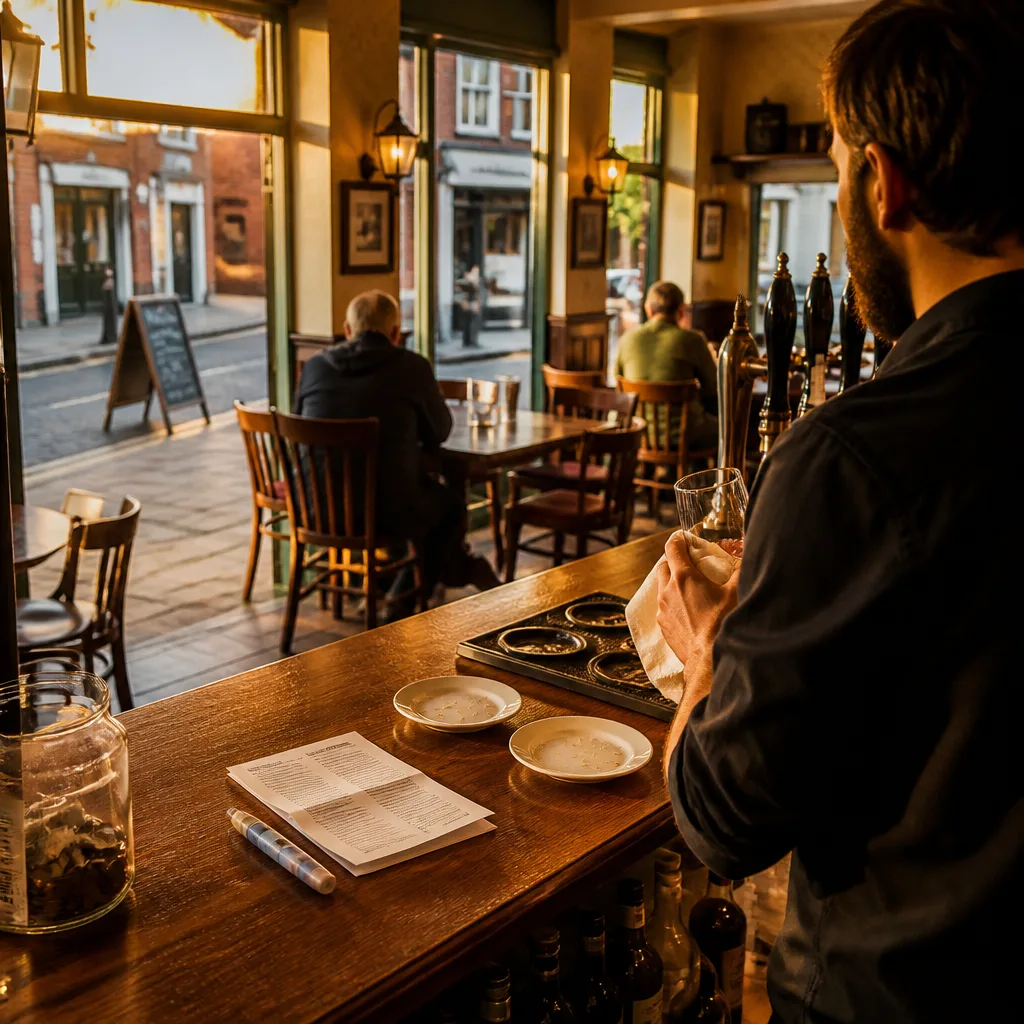
Hospitality businesses are reporting a new headwind as the surge in popularity of weight‑loss injections appears to be changing eating and drinking habits, according to a summer survey of on‑trade operators.
Covering a surprising squeeze on footfall
The Scottish Licensed Trade Association (SLTA) polled 300 pubs, bars, restaurants and hotels and found 16% believe they have experienced fewer visits as a consequence of the increasing use of GLP‑1 receptor agonists — the drugs that mimic hormones controlling appetite and digestion. A further 22% said customers have become more “discerning”.
“The World Cup provided a brief sales boost, but the broader economic outlook remains challenging. Members report weak consumer confidence as global events prolong economic uncertainty,” said Colin Wilkinson, SLTA managing director.
The injections, which reduce cravings and slow digestion, are used by about 1.6 million adults in the UK, according to the polling notes. Operators told the SLTA these medicines have altered demand patterns in some cases — fewer large meals and different timings for eating and drinking.
Sector performance and pressures
The survey paints a mixed picture. While many firms reported benefits from major sporting events, underlying trading conditions remain difficult. 58% of businesses said their operations were in decline after the period that included the FIFA World Cup and the Glasgow Commonwealth Games, yet 71% said they expected to break even or be profitable — an improvement on a winter survey figure of 63%.
The SLTA highlighted that GLP‑1s are one of several pressures, alongside rising input costs and constrained household budgets. The association also pointed to a higher cost base for Scottish hospitality firms, noting commercial rates and energy charges were greater than in other parts of the UK, intensifying the squeeze.
What the numbers mean for jobs, prices and margins
The pattern described by operators has direct implications for wages, prices and employment across the sector. If fewer visits become structural rather than episodic, businesses will face a choice: raise prices to protect margins, cut costs (which can include staff reductions or reduced hours), or accept lower profitability.
Higher prices risk deterring customers already managing tighter household budgets, while cost cuts could worsen service and capacity — a difficult trade‑off in a sector where labour is a significant component of costs.
Even the improved expectation of being break‑even or profitable may mask fragile finances: the rebound in sentiment versus the winter survey could reflect temporary factors such as event‑related spending rather than sustainable demand growth.
- 16% of venues reported fewer visits linked to weight‑loss drugs
- 22% said customers are more discerning
- 1.6 million adults in the UK are taking GLP‑1 drugs
- 58% of businesses said trading was in decline
- 71% expected to break even or be profitable (up from 63%)
| Metric | Survey result |
|---|---|
| Fewer visits due to weight‑loss drugs | 16% |
| Customers more discerning | 22% |
| Businesses in decline | 58% |
| Expect to break even / profitable | 71% (previously 63%) |
The SLTA warned that these shifts come as hospitality firms still contend with higher costs and uncertain consumer confidence, a combination that can hamper hiring and investment decisions. For an industry that employs large numbers regionally and locally, persistent weakness in trading could translate into slower job creation or job losses.
Policy responses that address the sector’s cost base — for example business rates or energy support — have been urged by trade groups in the past. But changes in consumer behaviour driven by medical treatments represent a novel and less easily reversible pressure.
Analysts and operators will be watching forthcoming trading reports closely. If the trend flagged in the SLTA survey broadens beyond Scotland and persists, it could force a reappraisal of pricing, staffing and long‑term investment strategies across the hospitality industry.