
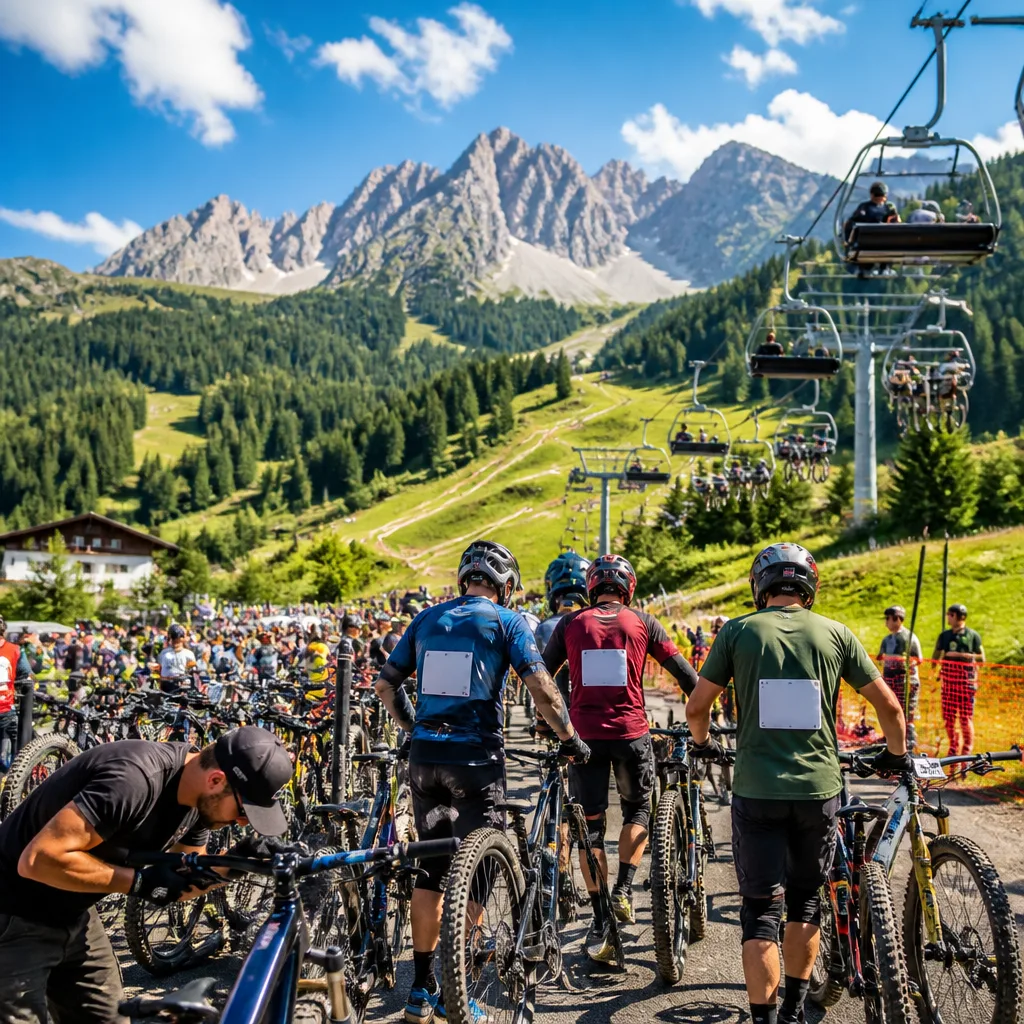
The 2026 UCI Mountain Bike World Championships begin in Val di Sole, Italy, on 26 August, bringing together the sport’s top riders across five disciplines for five days of competition.
Scale and structure
Organisers have listed 778 participants for the championships, which run until 30 August. The programme covers 16 races and five disciplines: Cross‑Country Olympic (XCO), Cross‑Country Team Relay (XCR), Cross‑Country Short Track (XCC), Downhill (DHI) and Electric‑MTB. Almost 250 riders are entered in more than one event, reflecting the growing versatility among elite mountain bikers.
| Item | Detail |
|---|---|
| Host | Val di Sole, Italy |
| Dates | 26–30 August 2026 |
| Disciplines | XCO, XCR, XCC, DHI, E‑MTB |
| Races | 16 |
| Participants | 778 |
Notable names and narratives
The entry lists blend established stars with athletes newly arriving on the international stage. Defending men’s elite downhill champion Jackson Goldstone is among the names expected to contest the DHI title, while a number of riders who have succeeded on road, cyclo‑cross and gravel are also scheduled to compete.
One of the storylines to watch is the transition of younger riders into elite ranks. Isabella Holmgren, a 21‑year‑old Canadian who won the U23 titles in both the Short Track and XCO at last year’s worlds, will this year contest the women’s elite division. Her twin sister, Ava Holmgren, remains in the U23 XCO competition. Those shifts underline the annual tension at world championships between established champions and emerging talent.
What this means for the sport
Val di Sole’s 2026 meeting marks the fourth time the venue has hosted the world championships, continuing a tradition that dates back to the first combined event in 1990. The mix of disciplines reflects the sport’s broadening profile: downhill and cross‑country remain core, while the inclusion of Electric‑MTB highlights organisers’ efforts to respond to technological developments and new audience interests.
- Multi‑event competitors — with nearly 250 riders entered in multiple races, nations will have to manage athlete workload and recovery during the busy five‑day programme.
- Talent pipeline — riders stepping up from U23 to elite categories will face stiffer competition but also the chance to establish themselves on the senior world stage.
- Broadcast and reach — the event’s scheduling and discipline mix are likely to influence television and streaming interest, especially in nations with strong mountain‑bike traditions.
Logistics and expectations
Organisers have confirmed a compact schedule that concentrates marquee events across three full days of top‑level competition. The presence of riders who compete across different cycling disciplines suggests tactics and equipment choices will become important factors — particularly where athletes balance the demands of technical downhill courses with the endurance requirements of cross‑country races.
For national teams, the worlds are both a championship and a selector: performances in Val di Sole will feed into season narratives and, for many younger competitors, into future professional opportunities. With world titles at stake and the rainbow jersey awarded to each discipline winner, the championships remain a focal point of the international mountain‑bike calendar.
Coverage plans and start lists will be finalised in the days ahead, as riders and teams confirm logistics and last‑minute substitutions. Spectators and broadcasters will be watching to see whether defending champions can hold off challengers and how many of the sport’s rising stars will announce themselves on the senior stage.









