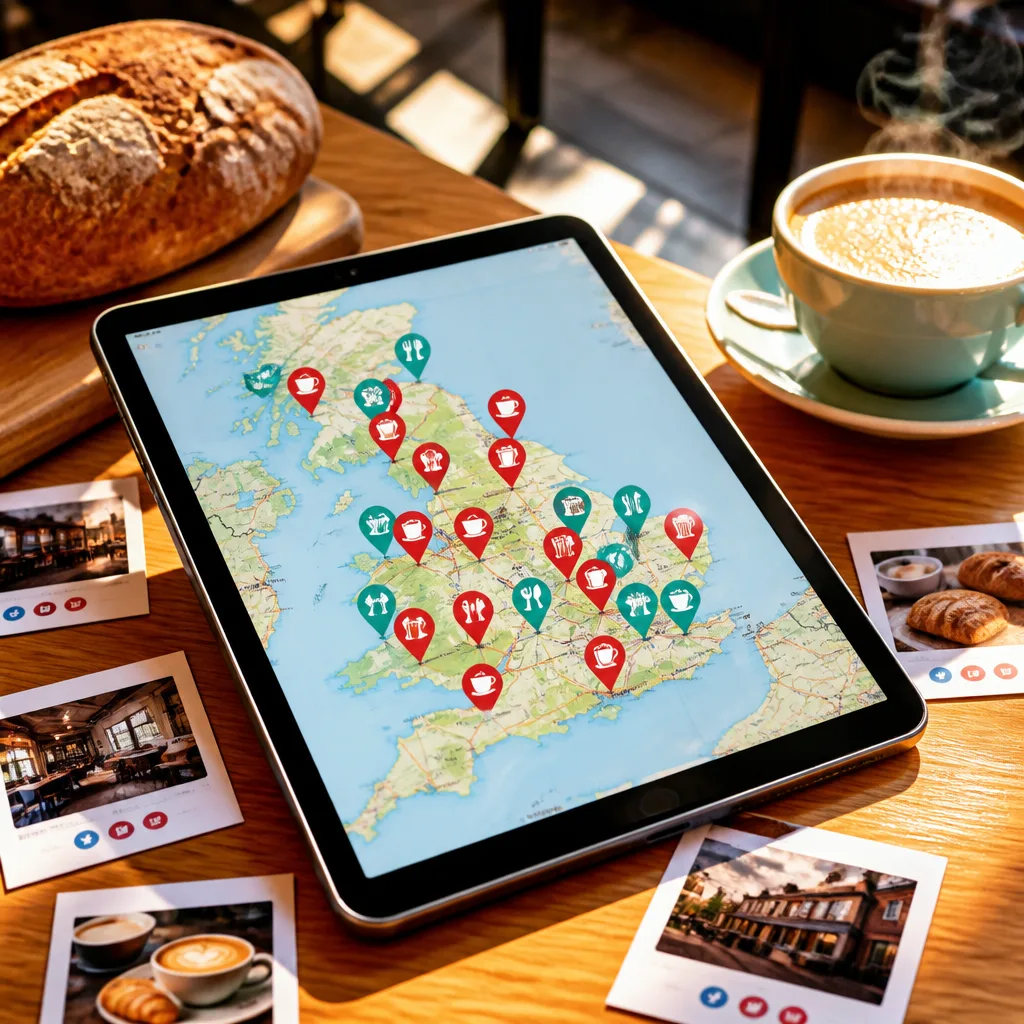
An interactive map that locates hospitality venues owned or co‑owned by women has already catalogued more than 1,000 sites across the UK, its creators say, in an attempt to make female ownership easier to find for diners and industry professionals.
What the map does
The project, launched in July by chef Sally Abé and producer Kayla Lawrie, places pins for restaurants, pubs, bars, cafés and bakeries and provides listings containing information on ownership and social media links. The founders say the guide brings venues from across the country together in a single, public resource.
“We know this industry is alive with diverse female talent, and we hope our new map sparks conversation about representation and visibility but also supports them during a time where the industry is already facing enough challenges,”
The pair add that the map is designed both for people who want to “book tables with a little more intention” and for the hospitality sector itself, which they say can use the tool to amplify women’s work and profiles.
Why it matters for business
Visibility tools of this type have three practical effects for the hospitality economy. First, they reduce search friction for consumers wishing to support businesses with particular ownership structures. Second, they give operators a promotional resource they can share with customers and partners. Third, by aggregating data, they can highlight geographic and sectoral concentrations — and gaps — that might inform policy, investment and local initiatives.
That said, the map addresses discovery and visibility rather than underlying structural issues that affect hospitality firms. While being easier to find can translate into more bookings and brand recognition, it does not by itself solve challenges such as access to finance, rising input costs or recruitment pressures that many in the sector cite as constraints on growth.
How it is structured
The map uses a simple pin-and-listing format. Each pin links to a short entry with ownership details and social channels. The creators stress the resource is public and intended to be used by diners, journalists and industry networks to spotlight female leadership in hospitality.
- Scope: restaurants, pubs, bars, cafés and bakeries.
- Scale: more than 1,000 venues identified since the July launch.
- Purpose: raise visibility, encourage intentional bookings and spark conversation about representation.
| Category | Included on map |
|---|---|
| Restaurants | Yes |
| Pubs | Yes |
| Bars | Yes |
| Cafés | Yes |
| Bakeries | Yes |
For businesses and campaigners, the immediate value is tangible: a curated list that can be used in promotions, press work and community outreach. For consumers, it reduces the effort of finding venues that reflect particular values or ownership models.
Context and limits
In the absence of centralised registries categorising businesses by owner demographics, crowd-sourced and curator-led projects like this can fill an information gap. They can also inform local authorities, trade bodies and financial institutions interested in targeting support. However, the creators themselves acknowledge the map is a starting point, with impact dependent on how widely it is used and whether it is updated and maintained.
A constructive next step — one the map could enable — is to pair visibility with practical support: linking listings to mentoring, procurement opportunities or funding signposts. Without that, increased awareness risks remaining symbolic rather than translating into sustained revenue growth or improved access to capital for the businesses listed.
Nevertheless, in a sector where discovery drives footfall and word‑of‑mouth matters, a resource that aggregates more than 1,000 pinned venues can be a meaningful addition to the toolkit used by diners, journalists and policy-makers to identify and support women leaders in hospitality.