The International Labour Organization (ILO) has launched a mentorship programme in Thailand designed to translate corporate commitments on human rights into day‑to‑day practice across automotive and electronics supply chains. The move follows a wider training initiative that has already engaged firms in the region and is backed by Japan’s Ministry of Economy, Trade and Industry (METI).
From training to mentoring
The mentorship course is part of the ILO’s Advancing Responsible Supply Chains and Decent Work in Asia (RSC) project. It builds on a Human Rights Due Diligence (HRDD) training programme that the ILO says has reached more than 50 companies across Thailand’s automotive, auto‑parts and electronics supply chains since June 2026.
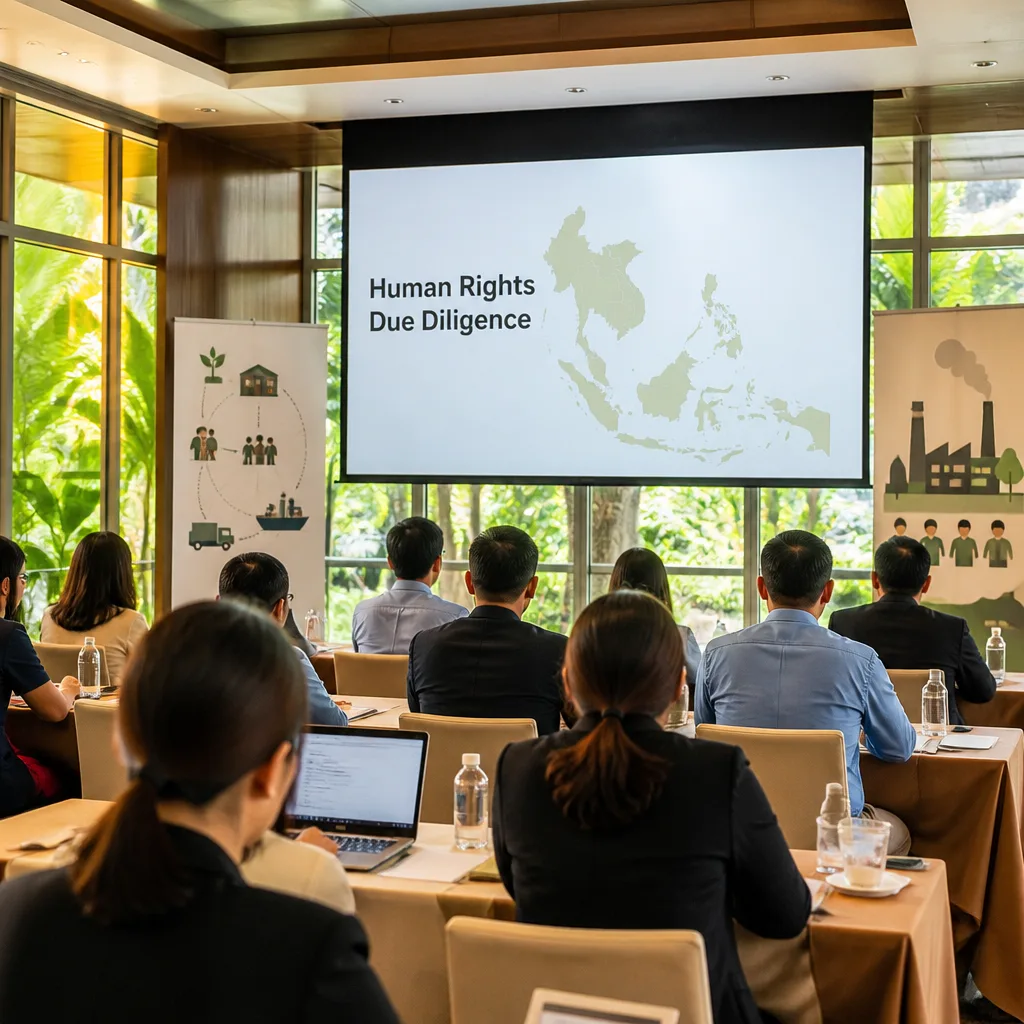
The new programme spans four days and targets staff who already hold a basic understanding of social dialogue and the due‑diligence process, whether through prior RSC activity, other training or in‑house experience. Its purpose is practical: to develop mentors who can coach colleagues and help apply HRDD steps within their own firms and through supplier relationships.
Who attended and how it worked
In July and August 2026, participants from seven automotive and electronics companies took part in the mentoring sessions. The cohort included both multinational firms and Thai manufacturers and suppliers of varying sizes. The ILO describes the sessions as jointly attended by management and workers’ representatives, underlining an emphasis on bipartite dialogue as a foundation for sustainable due‑diligence activity.
| Feature | Detail |
|---|---|
| Programme | Advancing Responsible Supply Chains and Decent Work in Asia (RSC) |
| Support | Japan’s METI |
| Training reach (since June 2026) | 50+ companies |
| Mentorship sessions (Jul–Aug 2026) | 7 companies |
| Duration | 4 days |
Industry reaction and practical outcomes
Participants reported the mentorship focus helped translate existing audit and compliance systems into more sustainable, worker‑centred practices. Kanlaya Paul, International Supply Chain Manager at AutoAlliance (Thailand) Co., Ltd, said the programme strengthened internal capacity to extend good practices across suppliers.
"HRDD is not entirely new to our company – we already had various processes in place, along with labour and social audits covering hundreds of suppliers. But this mentorship programme helps us strengthen the capacity of our people to train and mentor colleagues and extend good practices further down the supply chain,"
That assessment underlines a familiar challenge for global supply chains: companies may possess formal policies and audit schedules, yet struggle to convert those instruments into routine decisions on the factory floor or in procurement choices. The mentor model aims to bridge that gap by building internal trainers rather than relying indefinitely on external consultants.
- Compliance to practice: Mentors can promote consistent HRDD application inside firms and among suppliers, potentially reducing audit fatigue and improving remediation speed.
- Worker voice: Joint participation by management and workers’ representatives may bolster social dialogue, a factor linked to more credible due‑diligence outcomes.
- Scalability: Training internal mentors is a cost‑efficient route to scale good practice, but success depends on firms allowing mentors time and authority to effect change.
Implications for wages, jobs and costs
For businesses and buyers in Europe and the UK that rely on Thai automotive and electronics suppliers, stronger HRDD practices could change procurement dynamics. In principle, better due diligence can identify and address issues such as under‑payment, excessive overtime or unsafe working conditions — factors that affect both workers’ incomes and the stability of supply. Remedies may involve additional direct costs for suppliers (for example, to improve safety or adjust pay practices), but can also reduce disruption from strikes, remediation demands or reputational damage.
Whether those compliance costs translate into higher consumer prices, margin compression for brands, or improved wages for workers will depend on how costs are allocated along the chain. The ILO programme's emphasis on mentoring, rather than top‑down auditing, is intended to produce more durable changes without perpetually rising compliance fees. However, firms must still commit resources and grant mentors the reach to influence procurement and personnel decisions.
As multinational firms and national suppliers absorb the lessons, the key test will be measurable improvements in worker outcomes and fewer repeat violations — not just more training certificates. The ILO's approach recognises that embedding good practice requires people inside organisations who can coach peers and hold supply‑chain partners to account, but conversion from policy to practice remains a challenge most companies cannot outsource.